
 English
 中文简体
中文简体What are the types of transformers?
2026-07-24
Content
Transformers are grouped into distinct types based on three things: core structure, working frequency, and function. In practical terms this gives buyers six common categories to choose from: EI transformer, square transformer (also called toroidal-square or block-core transformer), toroidal transformer, BK control transformer, isolation transformer, and inverter transformer, split further by low-frequency transformer and high-frequency transformer designs. Each type suits a different load, noise tolerance, and budget, so picking the right one starts with matching the transformer's core and winding style to the equipment it will power.
Classification By Core Structure
Core shape decides how a transformer handles flux leakage, noise, and heat, and it is usually the first filter buyers apply when sourcing from a low-frequency transformer factory.
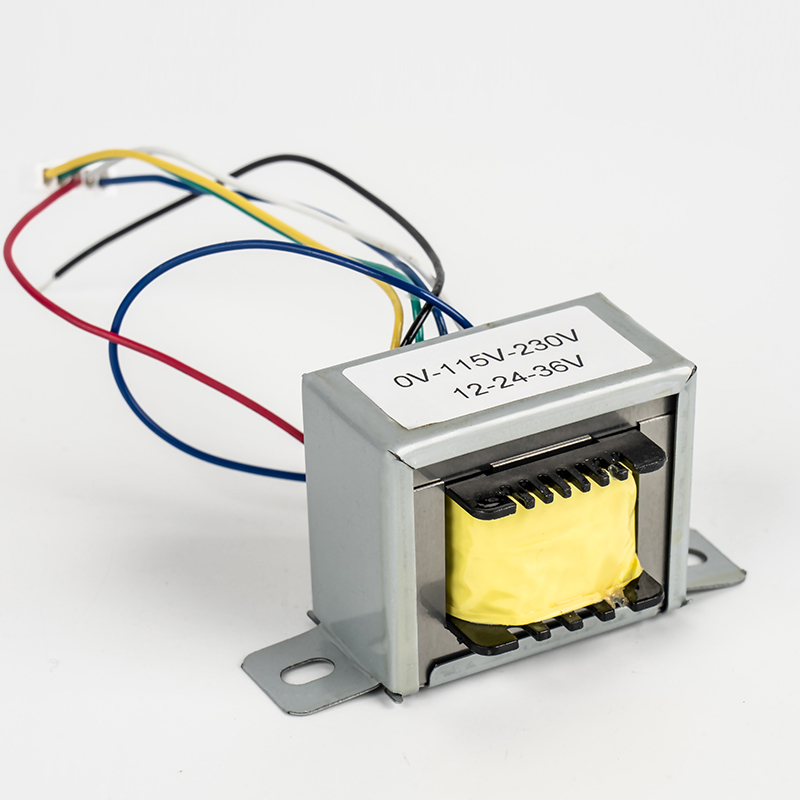
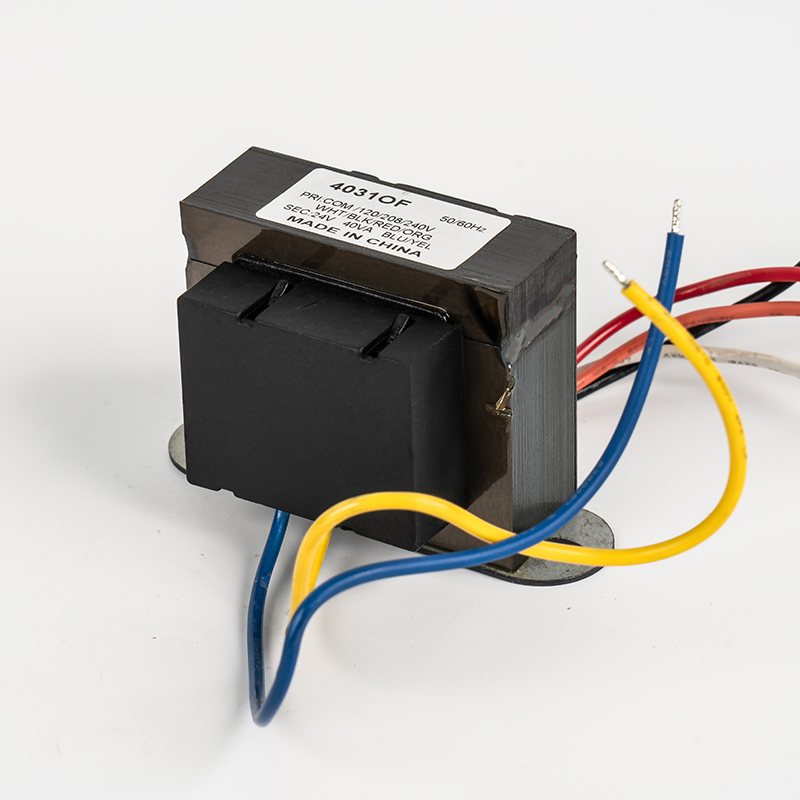
- EI transformer — built from stacked E and I shaped silicon steel laminations. It is the most common design supplied by an EI transformer factory because the laminations are cheap to stamp, the winding process is simple, and the finished unit tolerates overload well. EI cores dominate welding machines, LED drivers, and general industrial control panels.
- Square transformer — uses a rectangular or block-shaped core that packs more copper and iron into a smaller footprint than a standard EI unit. A square transformer factory typically targets this design at compact power supplies where installers need higher output in a limited enclosure, such as amplifiers and instrumentation panels.
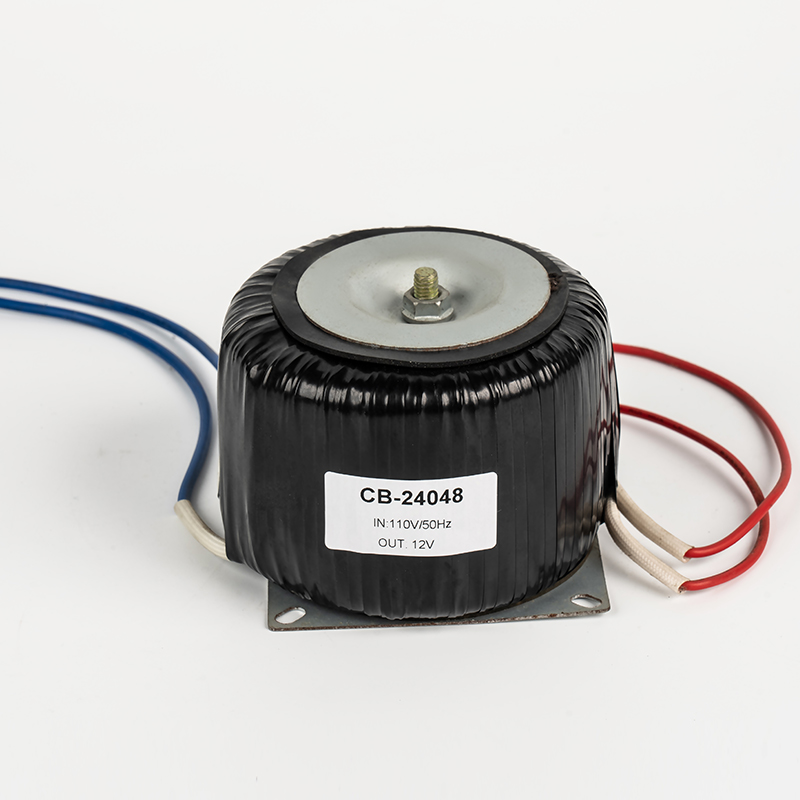
- Toroidal transformer — wound on a ring-shaped core with no air gap, which cuts stray magnetic field to roughly one-tenth of an EI design and reduces audible hum by 15 to 20 decibels in typical lab tests. This makes the toroidal transformer the standard choice for audio equipment, medical devices, and any application where a toroid isolation transformer is needed to keep noise off sensitive circuits.
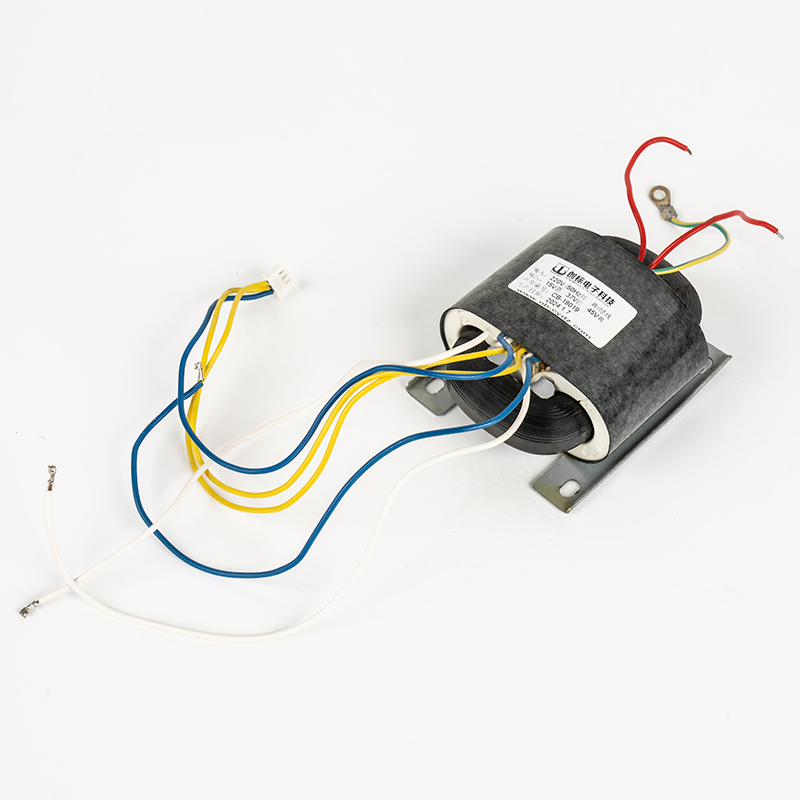
- R-type transformer — a variant that sits between EI and toroidal designs, offering better efficiency than EI cores while costing less to wind than a full toroidal transformer.
Classification By Function
Beyond core shape, transformers are also named for the job they do inside a circuit. The four functional groups below cover most industrial and consumer sourcing requests.
| Type | Primary Job | Typical Use |
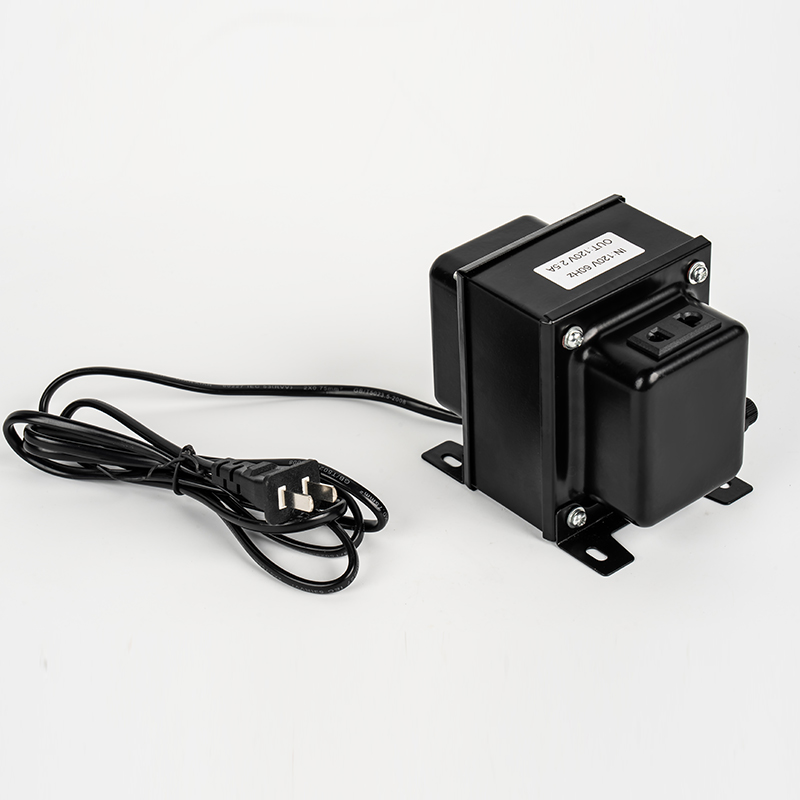
| Isolation transformer | Separates primary and secondary circuits electrically | Medical equipment, test benches, safety-critical panels |
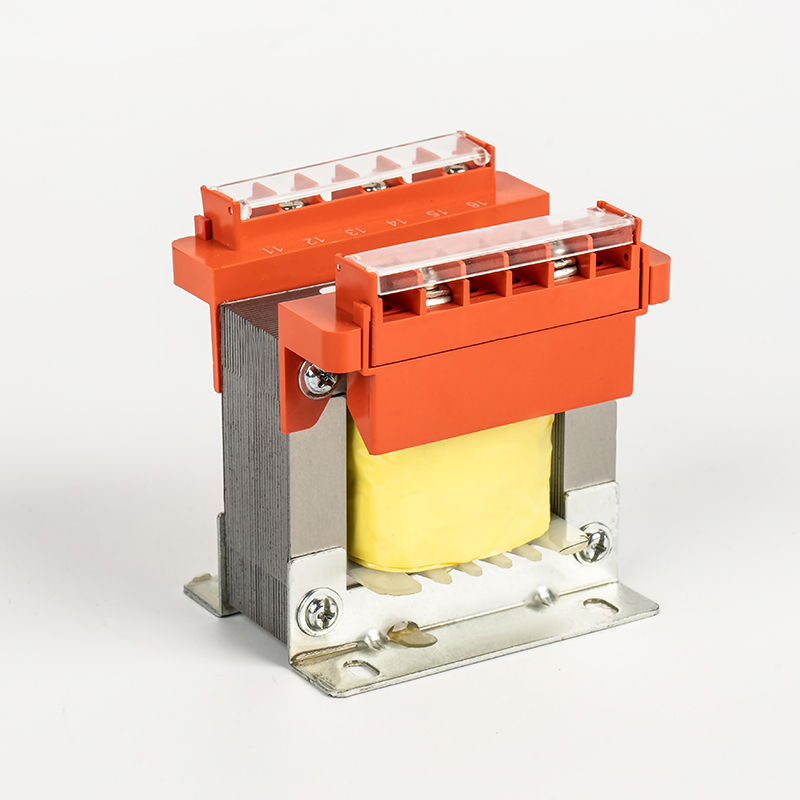
| Control transformer (BK type) | Steps voltage down to a stable level for control circuits | Machine tools, elevator control cabinets, automation panels |
| Inverter transformer (EI inverter / toroidal inverter) | Converts between AC and DC waveforms at low frequency | Welding inverters, solar inverters, UPS systems |
| Power transformer | Bulk voltage step-up or step-down for distribution | Substations, industrial feeders, large appliances |
A control transformer, often built around a BK-style bobbin, is worth calling out separately because it is one of the highest-volume products a Bk Control Transformer factory ships. It keeps control voltage steady even when the main supply line fluctuates, which protects PLCs, contactors, and relays from voltage spikes.
Classification By Operating Frequency
Frequency range changes core material and winding count, so it is a separate axis from shape and function.
- Low frequency transformer — operates at standard mains frequency, 50 or 60 Hz. It uses silicon steel cores and heavier copper windings, which makes it bulkier but very tolerant of surges and harmonics. Most EI, square, BK, and toroidal designs sold by a low-frequency transformer factory fall in this category.
- High frequency transformer — runs from a few kilohertz up to several megahertz using ferrite cores instead of steel laminations. A high frequency transformer factory produces these units at a fraction of the size and weight of a mains-frequency unit for the same power rating, which is why switch-mode power supplies and modern LED drivers rely on them.
Quick rule of thumb: if the equipment plugs straight into a 50/60 Hz wall outlet and needs rugged overload handling, a low-frequency EI or square transformer is the right fit. If the design already includes a switching circuit and space is tight, a high-frequency ferrite-core transformer is the better match.
Product Line Overview
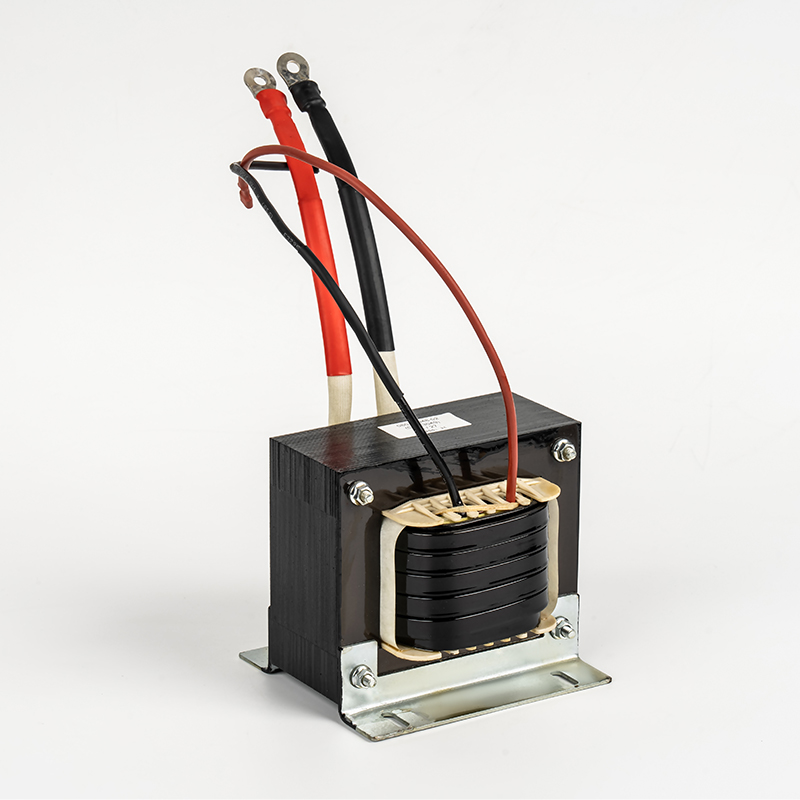
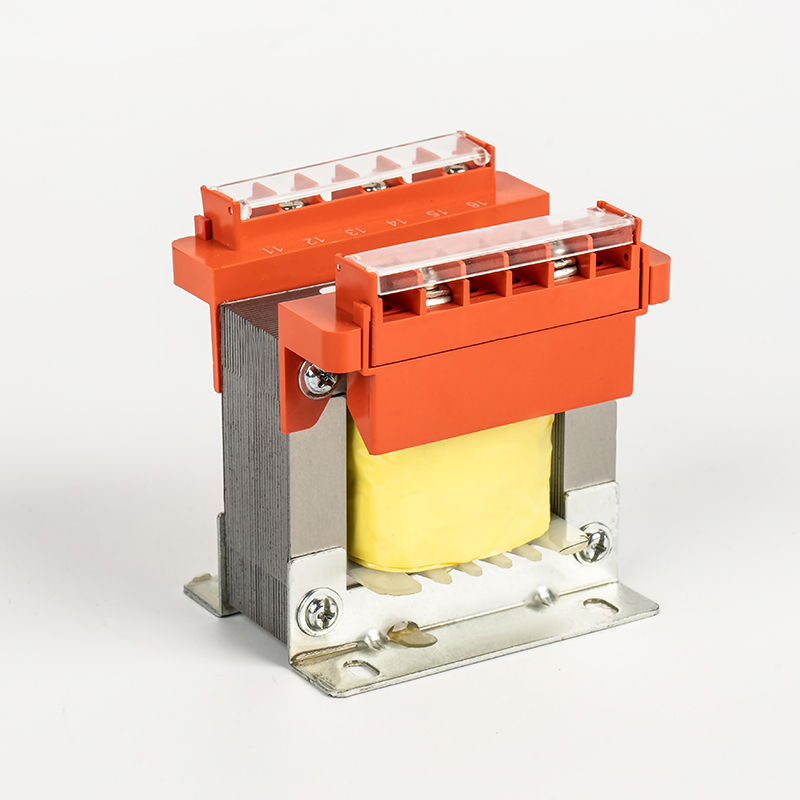
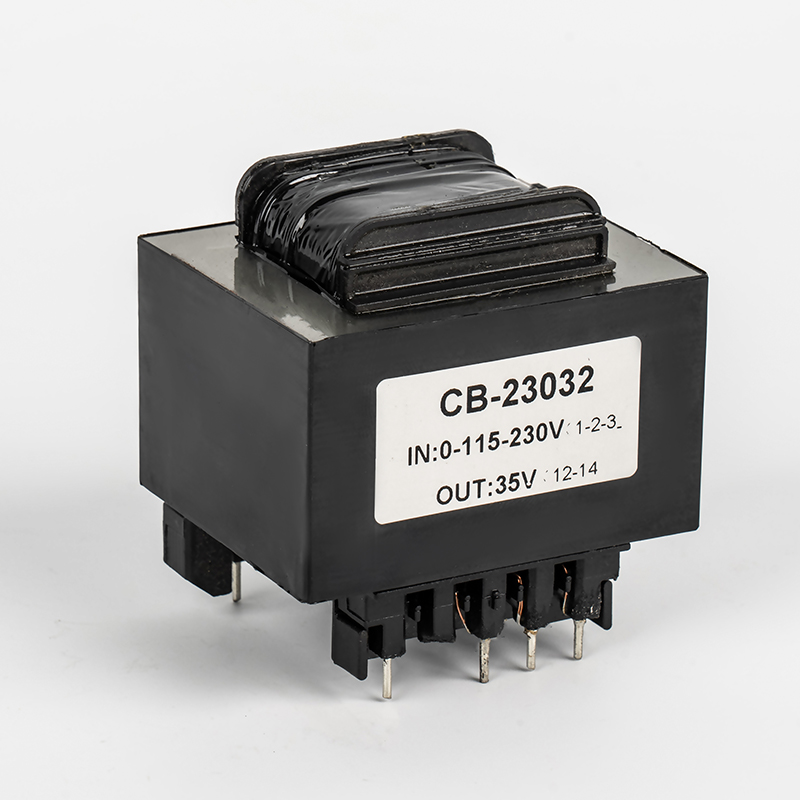
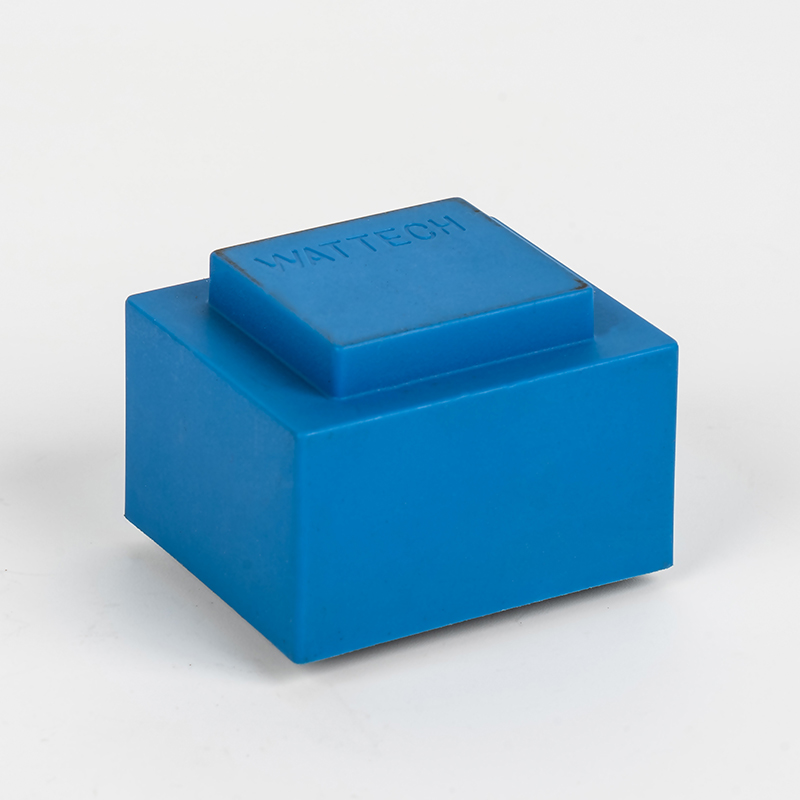
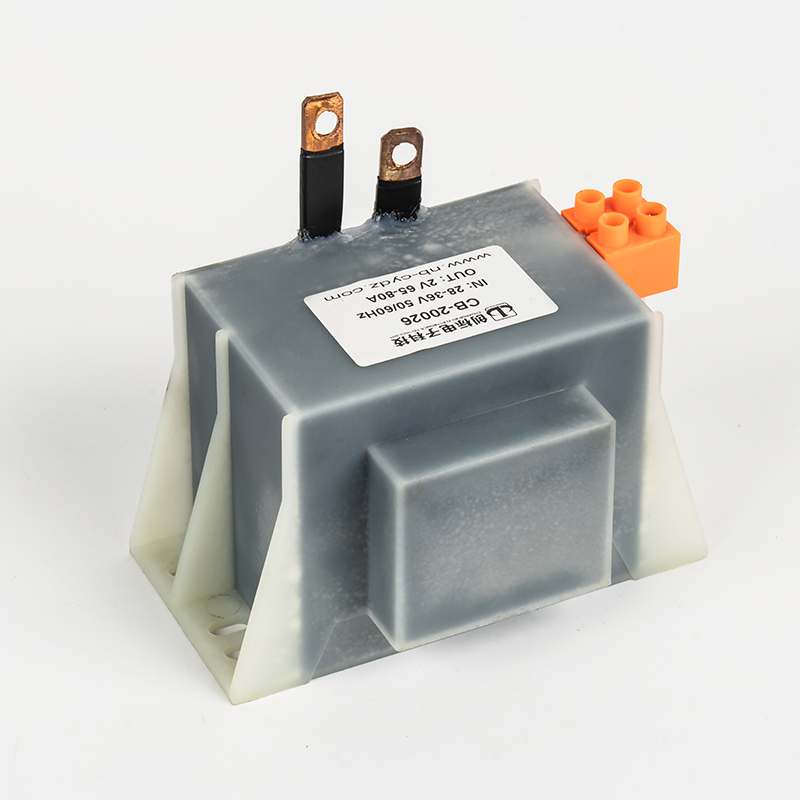
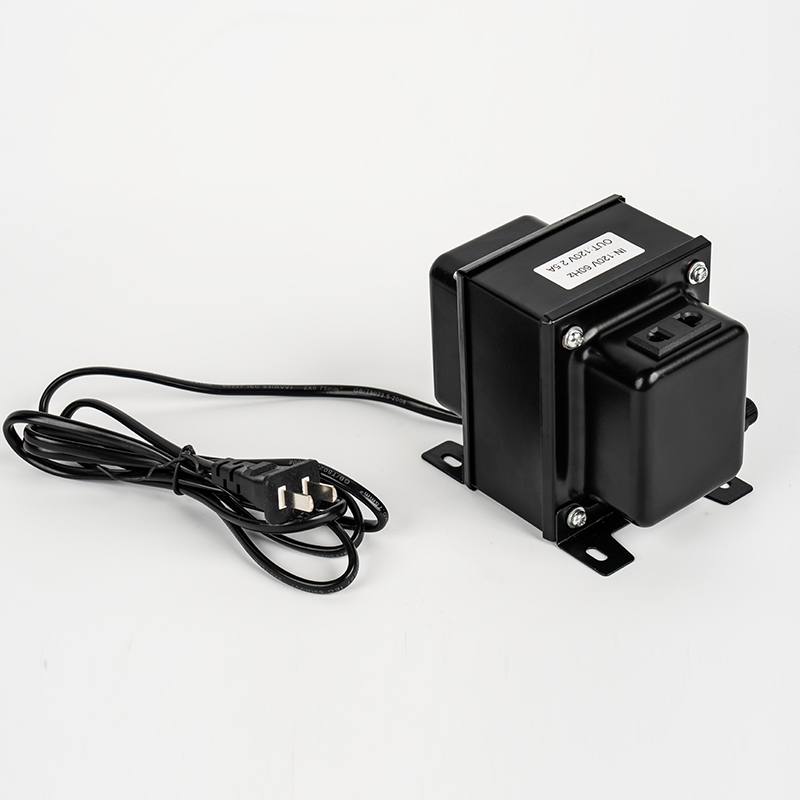
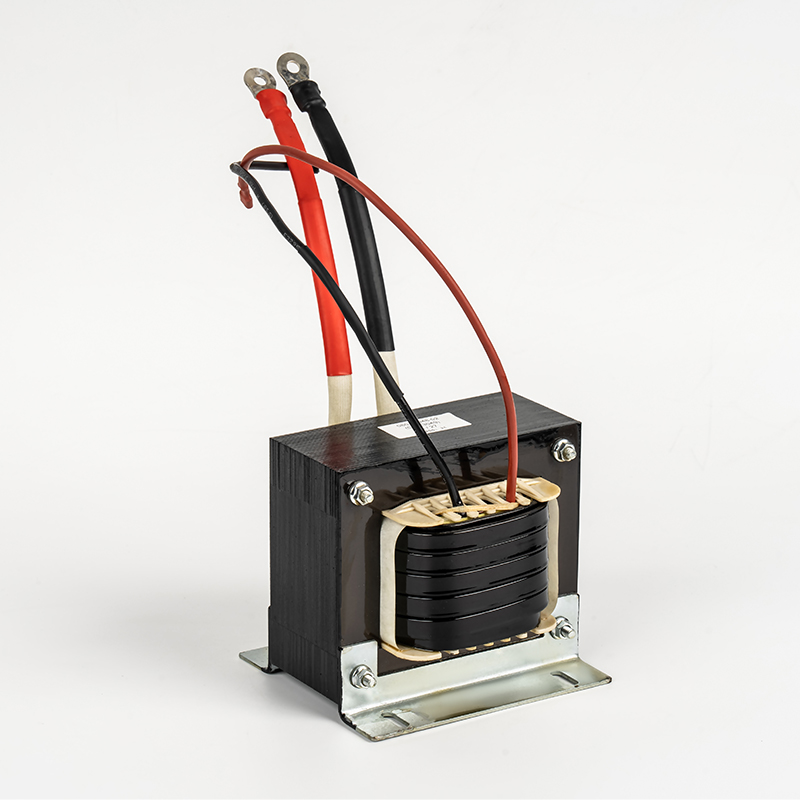
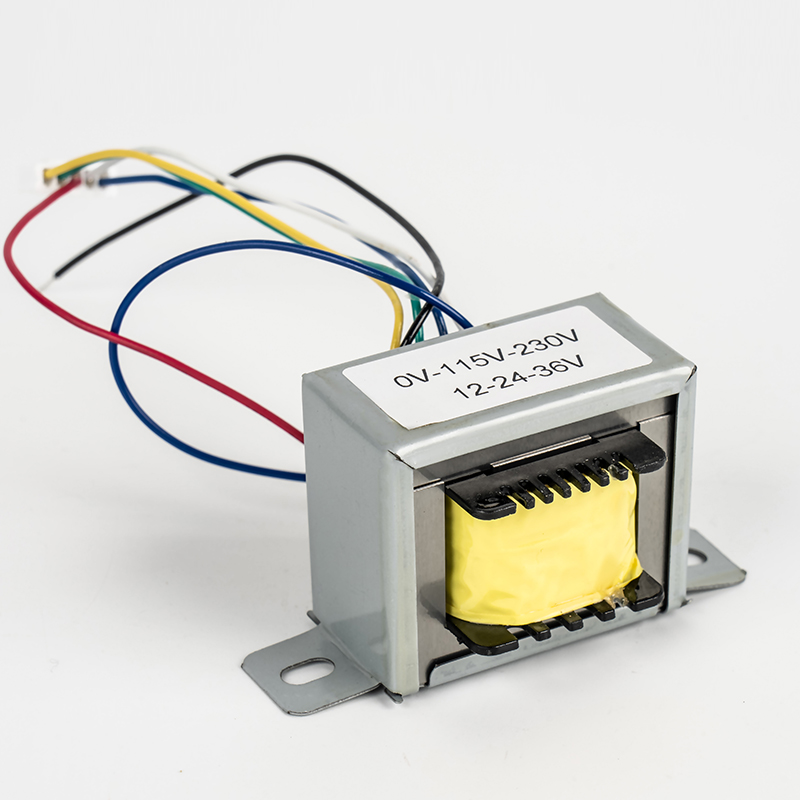
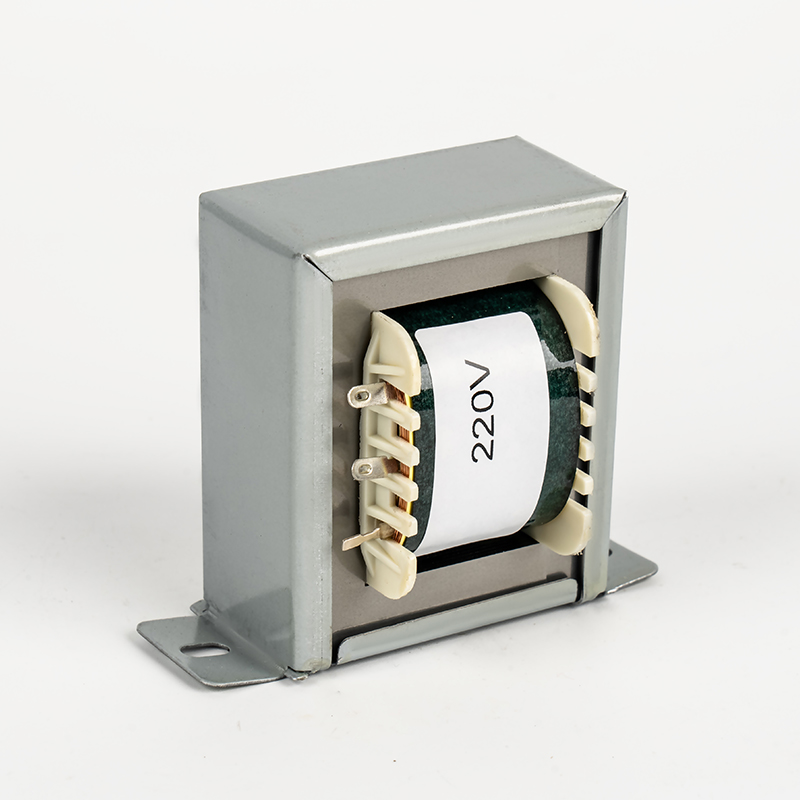
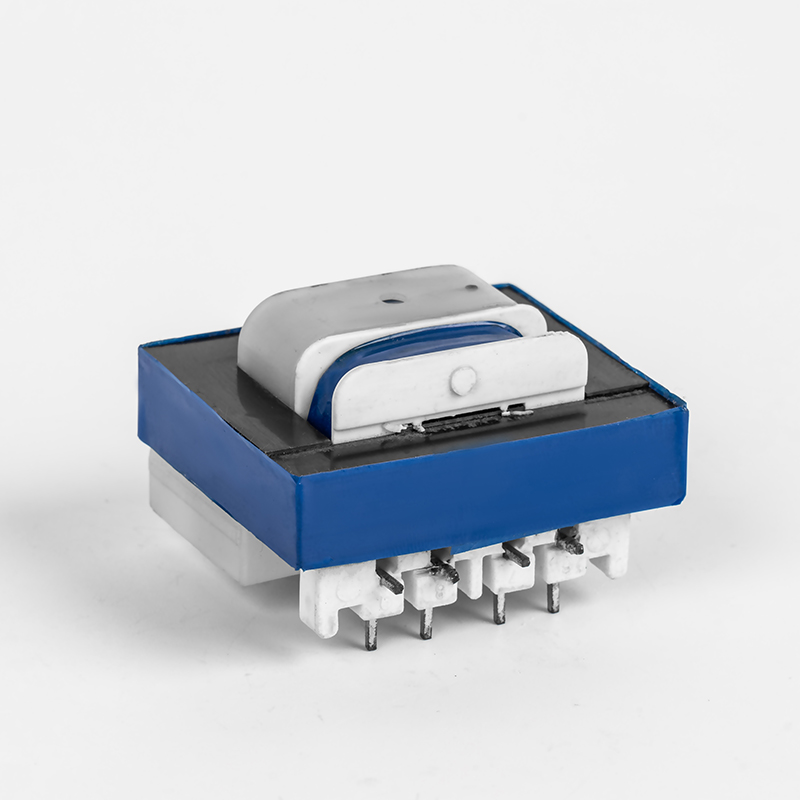
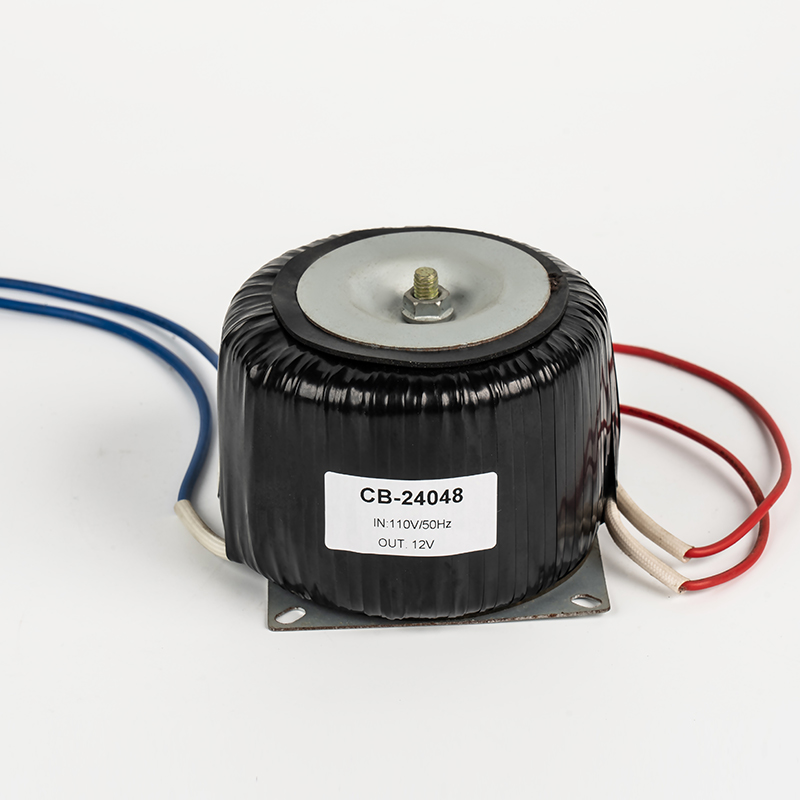
The gallery below groups five commonly ordered transformer types so buyers can compare form factor and typical application before requesting a quotation.
Transformer Product Range
Five core product lines covering control, isolation, ring-core, and step-up applications, each manufactured to ISO9001 standard.
Choosing A Type For Sourcing And Production
Buyers working with a factory usually narrow the decision down to three practical questions before placing an order.
- What is the rated frequency of the circuit? Mains-frequency equipment needs a low-frequency transformer; switching circuits need a high-frequency ferrite unit.
- Does the application need electrical separation? If yes, an isolation transformer or toroid isolation transformer is mandatory, not optional, especially in medical and test equipment.
- How tight is the space and noise budget? A square transformer or toroidal transformer saves space and cuts hum; a standard EI transformer is the lower-cost option when neither constraint applies.
Working With A Transformer Factory
Most industrial buyers do not purchase a single unit; they qualify a supplier that can hold tolerance across a production run. A dependable EI transformer factory or square transformer factory will typically provide the following before shipment.
| Qualification Item | Why It Matters |
| ISO9001 certified process | Confirms consistent material sourcing and traceable production steps |
| CQC / RoHS / CE marks | Confirms the transformer meets destination market safety rules |
| 100 percent load and dielectric testing | Catches winding shorts and insulation faults before shipment, not after installation |
Whether the requirement is a rugged low-frequency transformer for a welding line, a quiet toroidal transformer for audio gear, or a compact BK-style control transformer for an automation cabinet, matching the core structure, function, and frequency class first will narrow the supplier list quickly and reduce the chance of ordering the wrong part for the job.


Welcome To CHUANGBIAO
Address : No.420-3, Sanbei East Road, Guanhaiwei Industrial Zone, Cixi City, Ningbo, Zhejiang, China
Contact
- Tel: +86 186 6825 0703
- Email: linjian@nbcbdz.com
About us
Products
Copyright © Ningbo Chuangbiao Electronic Technology Co., Ltd.
All Rights Reserved. EI Transformer Manufacturer


