
 English
 中文简体
中文简体Is it normal for a low-frequency air conditioner transformer to get hot?
2026-01-13
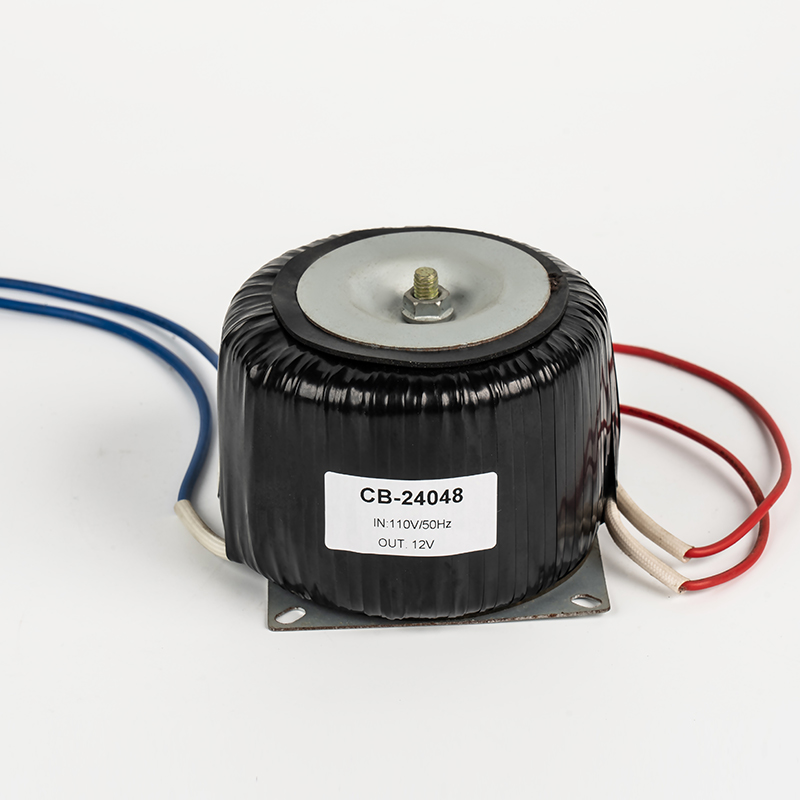
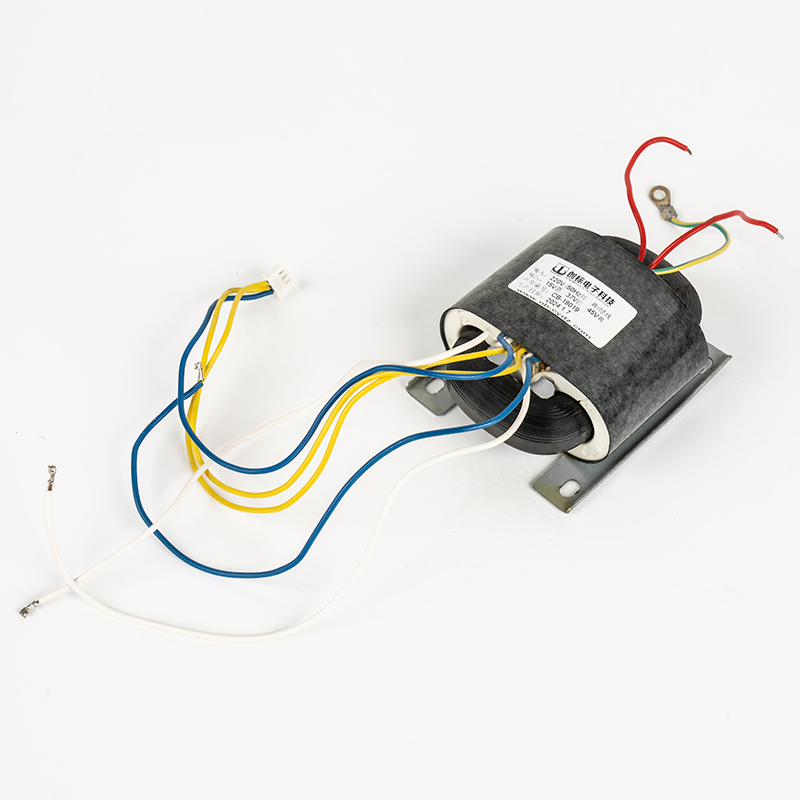
During air conditioner operation, some users may notice a significant temperature increase in the low-frequency air conditioner transformer on the indoor unit or control board, even feeling quite hot to the touch. This raises the question: Is it normal for a low-frequency air conditioner transformer to get hot? Will it affect the safety and lifespan of the air conditioner? In fact, a certain degree of heating in a low-frequency air conditioner transformer during operation is normal, but if the temperature rises abnormally, it may indicate a potential problem.
1. Why does a low-frequency air conditioner transformer get hot?
Low-frequency air conditioner transformers typically operate in a 50Hz or 60Hz AC environment. Their main function is to convert the mains voltage to the low voltage required by the air conditioner control system, supplying power to the control board, relays, sensors, and other components. During this energy conversion process, energy loss is inevitable, mainly including the following aspects:
Copper loss: When the transformer coil is energized, current flows through it. The wire itself has resistance, and the current passing through it is converted into heat.
Iron loss: The iron core generates hysteresis loss and eddy current loss in the alternating magnetic field, which are released in the form of heat.
Load operation loss: When the transformer is operating under load, the greater the output power, the greater the internal loss, and the higher the temperature.
Therefore, as long as the low-frequency air conditioner transformer is operating under normal design conditions, slight to moderate heating is normal.
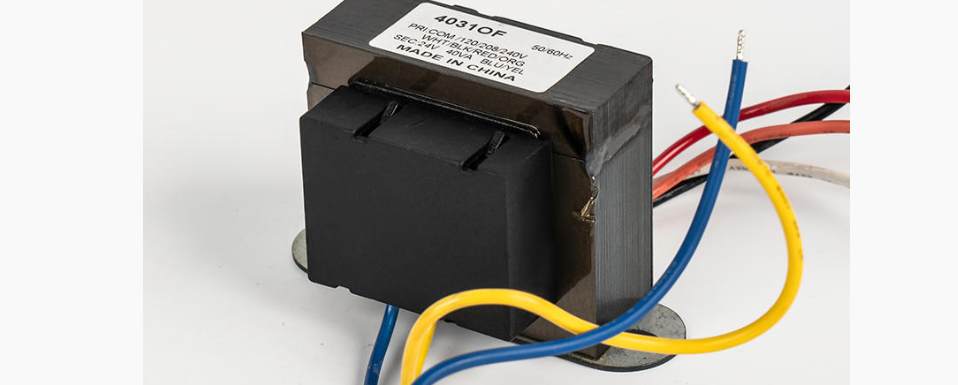
2. What temperature is considered normal for a low-frequency air conditioner transformer?
Generally, it is normal for the surface temperature of a low-frequency air conditioner transformer to be higher than the ambient temperature after stable operation. It should feel warm to the touch, but not scalding, which is usually within a reasonable range. For most household air conditioners, the surface temperature of the low-frequency air conditioner transformer may reach around 50°C during continuous operation. The specific value will be affected by the ambient temperature, load size, and heat dissipation conditions.
If the air conditioner is operating in a high-temperature environment, or for a long period of time continuously, a relatively higher transformer temperature is also normal. However, if it becomes noticeably hot to the touch, accompanied by unusual odors, discoloration, or even deformation, it requires attention.
3.What situations constitute abnormal heating?
Although some degree of heating is normal, the following situations often indicate an abnormality in the low-frequency air conditioner transformer:
Prolonged overload operation
When the load on the transformer exceeds its rated power, the coil current increases, significantly increasing copper losses and causing a rapid rise in temperature.
Abnormal input voltage
Excessively high or frequently fluctuating mains voltage can cause abnormal magnetic flux density in the low-frequency air conditioner transformer, thus increasing iron losses and heat generation.
Poor heat dissipation conditions
The confined space inside the control board, dust accumulation, or poor ventilation can all affect the transformer's heat dissipation, preventing heat from being released in a timely manner.
Internal aging or manufacturing defects
Coil insulation aging, loose core, or manufacturing defects can also lead to increased energy consumption, thus causing abnormal heating.
Downstream circuit failure
If the control board or external circuit has problems such as short circuits or damaged components, it will force the low-frequency air conditioner transformer to operate under abnormal load.
4. What are the effects of low-frequency air conditioner transformer overheating?
If the low-frequency air conditioner transformer is in a high-temperature state for a long time, it will have multiple effects on the air conditioner as a whole. First, excessively high temperatures will accelerate the aging of the coil insulation material, shortening the transformer's lifespan. Secondly, the output voltage may become unstable, affecting the normal operation of the control board, leading to air conditioner malfunctions, inability to start, or frequent errors. In severe cases, it may even cause damage to the control board, increasing repair costs.
5. How to identify and address transformer overheating problems?
In daily use, users can determine whether there is an abnormality in the low-frequency air conditioner transformer in the following ways:
Observe whether the air conditioner experiences abnormal shutdowns, difficulty starting, or control failures;
Smell for any noticeable burning odor;
Check the control board area for any obvious discoloration or burn marks.
If abnormal transformer temperature is confirmed, the power should be disconnected immediately, and a professional repair technician should be contacted for inspection. Do not disassemble or replace it yourself to avoid greater safety hazards.
Some degree of heating in the low-frequency air conditioner transformer during operation is normal and unavoidable; this is a natural phenomenon in the energy conversion process. As long as the temperature is within a reasonable range and the air conditioner is operating stably, users do not need to worry excessively. However, if there is abnormal high temperature, unusual odor, or malfunction, it may indicate a problem with the low-frequency air conditioner transformer or related circuits, and timely inspection and repair are necessary.


Welcome To CHUANGBIAO
Address : No.420-3, Sanbei East Road, Guanhaiwei Industrial Zone, Cixi City, Ningbo, Zhejiang, China
Contact
- Tel: +86 186 6825 0703
- Email: linjian@nbcbdz.com
About us
Products
Copyright © Ningbo Chuangbiao Electronic Technology Co., Ltd.
All Rights Reserved. EI Transformer Manufacturer


