
 English
 中文简体
中文简体Why Power Transformers and Distribution Transformers Differ in Voltage, Capacity, and Efficiency Design
2026-06-19
Content
- 1 Voltage Class and Where Each One Is Installed
- 2 Why Load Factor and Efficiency Targets Differ
- 3 How Iron Loss and Copper Loss Get Balanced Differently
- 4 Visible Differences in Construction and Size
- 5 Where Low-Frequency Transformer Manufacturing Comes In
- 6 Choosing the Right Transformer for Your Application
The core difference between a power transformer and a distribution transformer comes down to voltage class, capacity, and operating profile. A power transformer works in high-voltage transmission networks, typically rated above 66kV and often exceeding 100MVA, and is engineered to run near full load almost continuously for maximum efficiency. A distribution transformer operates in low-voltage distribution networks, generally below 33kV with capacities ranging from a few kVA to several MVA, and is designed to deliver its best efficiency around 60% to 70% load since real-world demand fluctuates throughout the day. In short, a power transformer moves bulk electricity over long distances, while a distribution transformer brings that electricity to the final consumer.
Voltage Class and Where Each One Is Installed
Power transformers sit at the output of generating stations and at major transmission substations, stepping voltage up so that electricity can travel long distances with minimal line loss, then stepping it back down once it reaches a receiving substation. Common voltage classes include 33kV, 66kV, 110kV, 220kV, up to 400kV, with some ultra-high-voltage projects reaching as high as 765kV. Distribution transformers, by contrast, sit close to the end user — on utility poles, in ground-mounted enclosures, or inside compact substations — stepping medium voltage down to a level consumers can use directly, commonly 440V, 380V, 220V, or 110V, serving factories, commercial buildings, and residential areas.
| Comparison | Power Transformer | Distribution Transformer |
| Typical voltage range | 33kV up to 765kV | 230V up to 33kV |
| Typical capacity | Above 100MVA, up to 1500MVA in some projects | A few kVA up to several MVA |
| Installation point | Generating station outlets, high-voltage transmission hubs | Distribution substations, utility poles, pad-mount enclosures near users |
| Main purpose | Step-up or step-down for long-distance transmission | Step-down from medium voltage to user-ready low voltage |
Why Load Factor and Efficiency Targets Differ
These two transformer types follow completely different design philosophies because the loads they serve behave differently. A power transformer runs near full load almost around the clock with very little fluctuation, so engineers place its peak efficiency point at or close to full load, often achieving efficiencies above 99%. A distribution transformer, on the other hand, sees demand swing sharply between daytime peaks and overnight lows, so designing it for peak efficiency at full load would leave it running inefficiently most of the time. That is why distribution transformers are typically optimized for maximum efficiency somewhere between 60% and 70% load, which better matches how they actually get used across a full day.
How Iron Loss and Copper Loss Get Balanced Differently
Because a power transformer is energized continuously, its iron loss (no-load loss) is present essentially around the clock, so designers prioritize keeping iron loss low and tolerate a somewhat higher copper loss (load loss), which minimizes total loss under the heavy, steady load it actually carries. A distribution transformer flips that priority: since it spends much of its time at medium or light load, designers lean toward lower copper loss while allowing a slightly larger iron-loss allowance, which reduces overall losses under typical light-to-medium load conditions. This iron-to-copper trade-off directly affects core weight and material usage, which is part of why a power transformer is usually noticeably larger and heavier than a distribution transformer of comparable nameplate rating.
Visible Differences in Construction and Size
The physical difference is obvious at a glance. Power transformers are large units, often fitted with elaborate cooling systems such as forced-oil-and-air or forced-oil-and-water cooling, multiple tap-changer positions to adjust the turns ratio under load, and heavier insulation and structural support to handle higher voltage stress and larger power throughput. Distribution transformers are comparatively simple and compact, commonly using natural oil convection with natural air cooling or dry-type insulation, which keeps them small and light enough to mount on a pole top or fit inside a compact pad-mount enclosure, with lower maintenance frequency and complexity than power transformers.
Where Low-Frequency Transformer Manufacturing Comes In
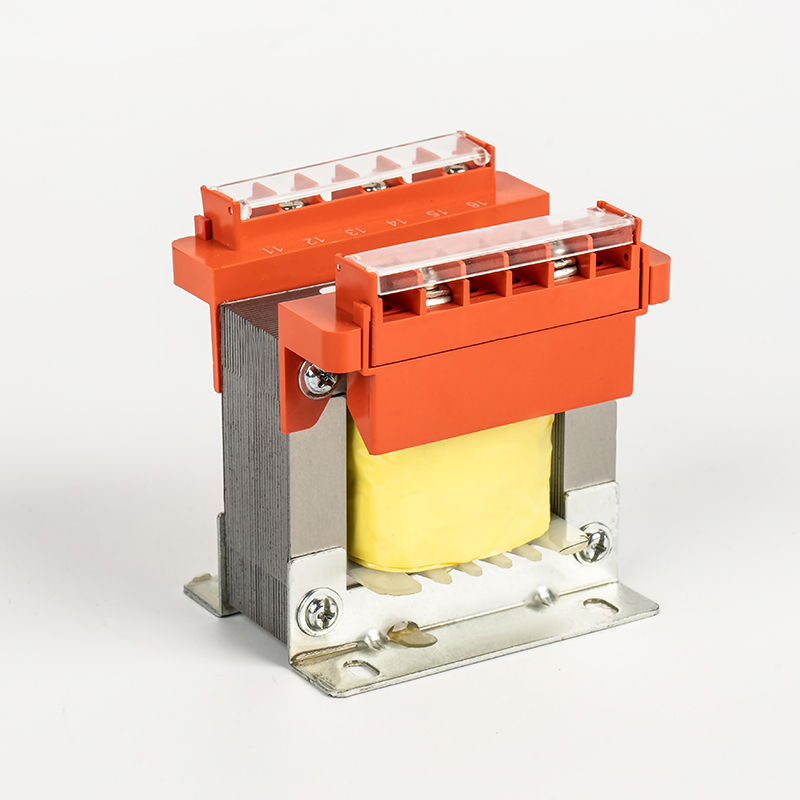
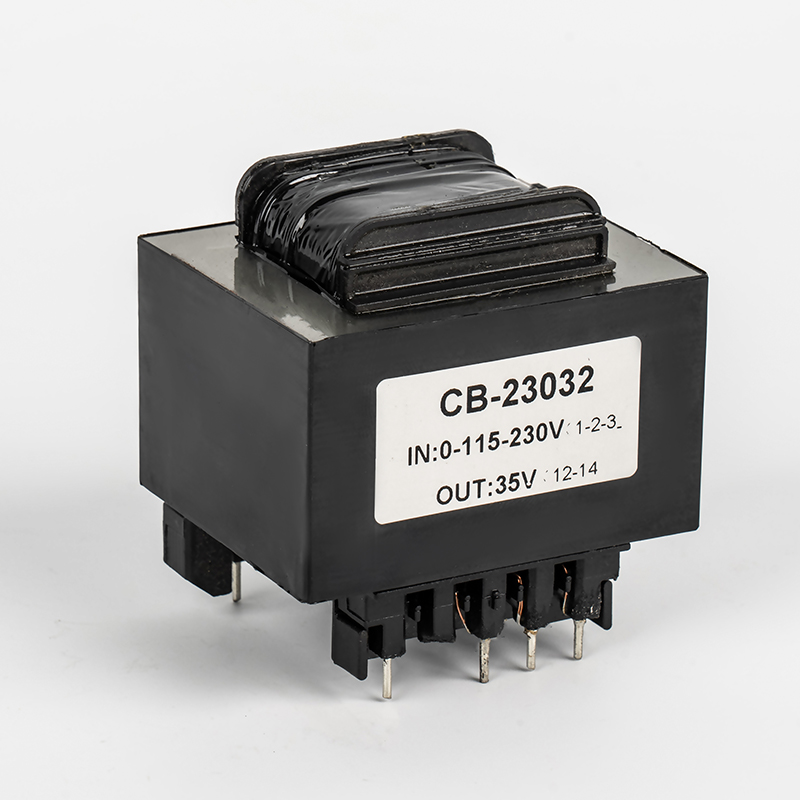
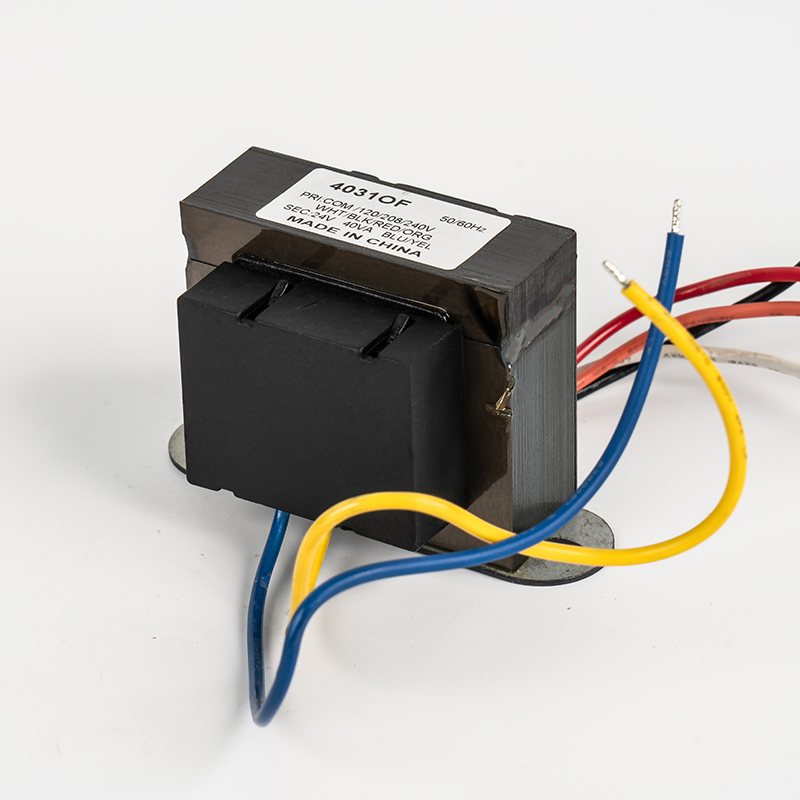
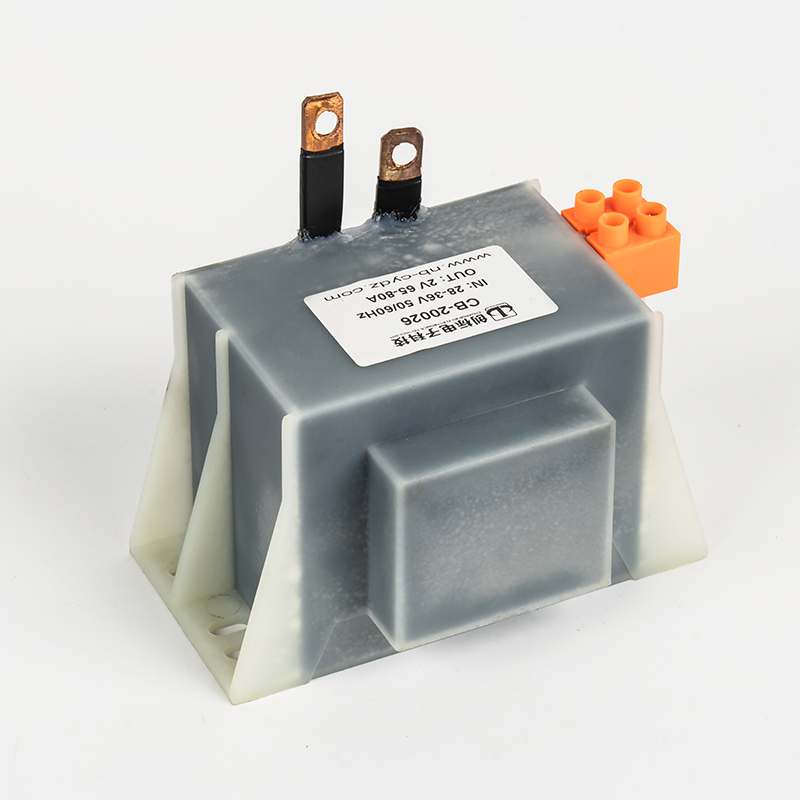
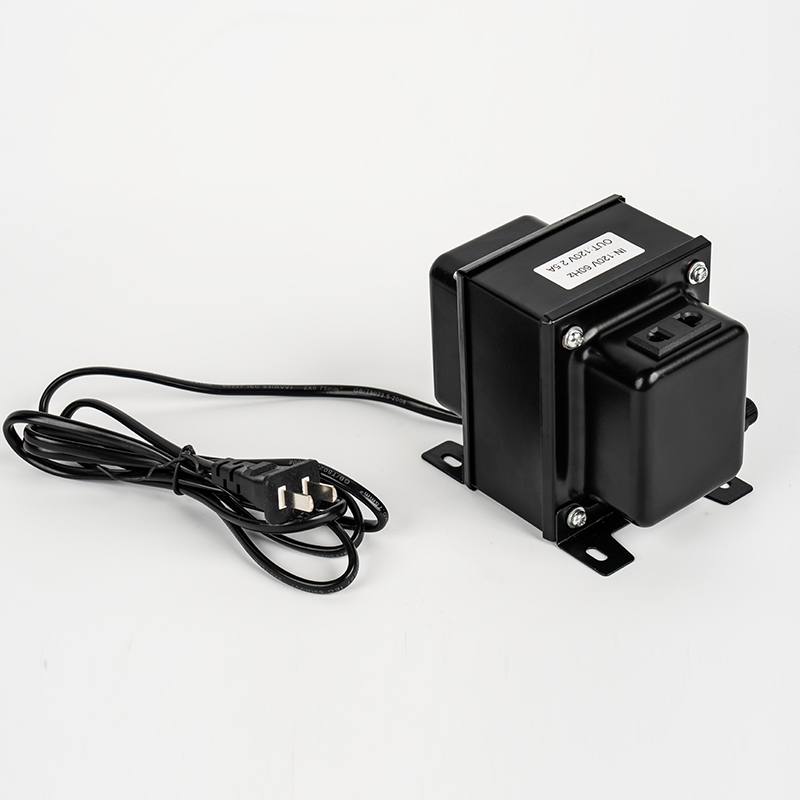
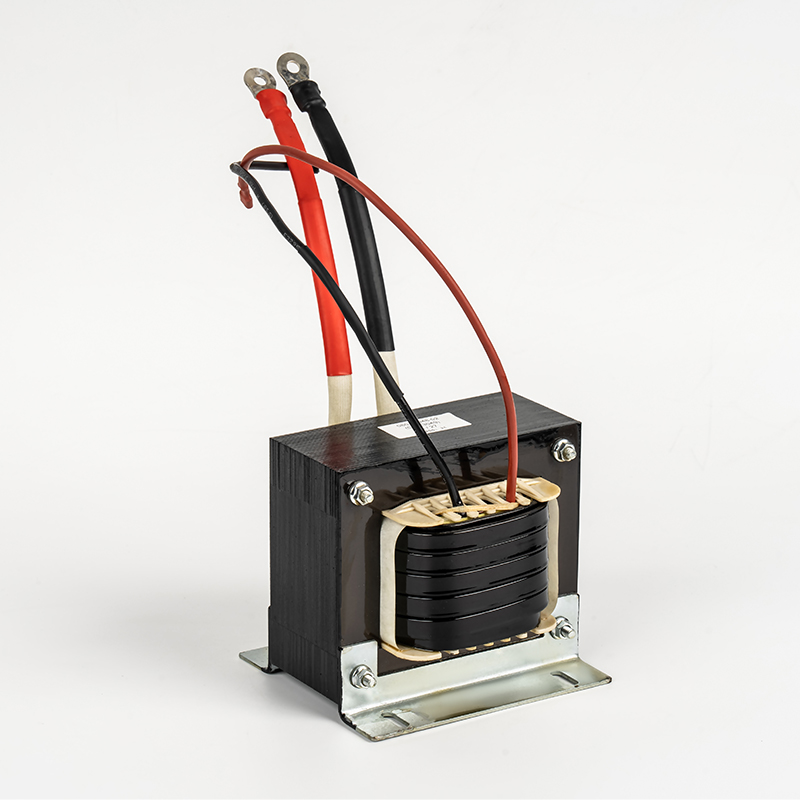
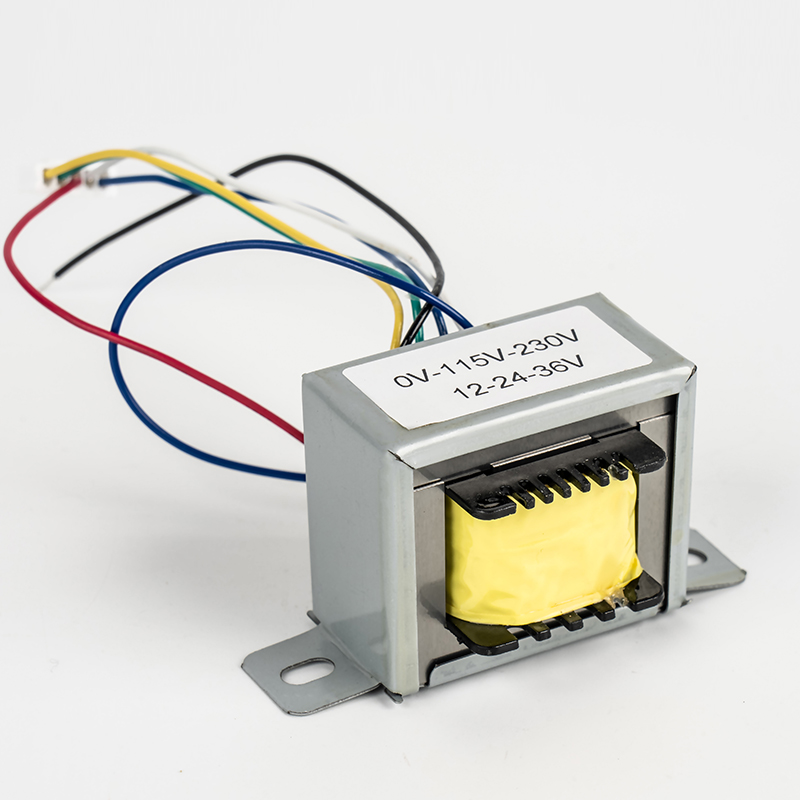
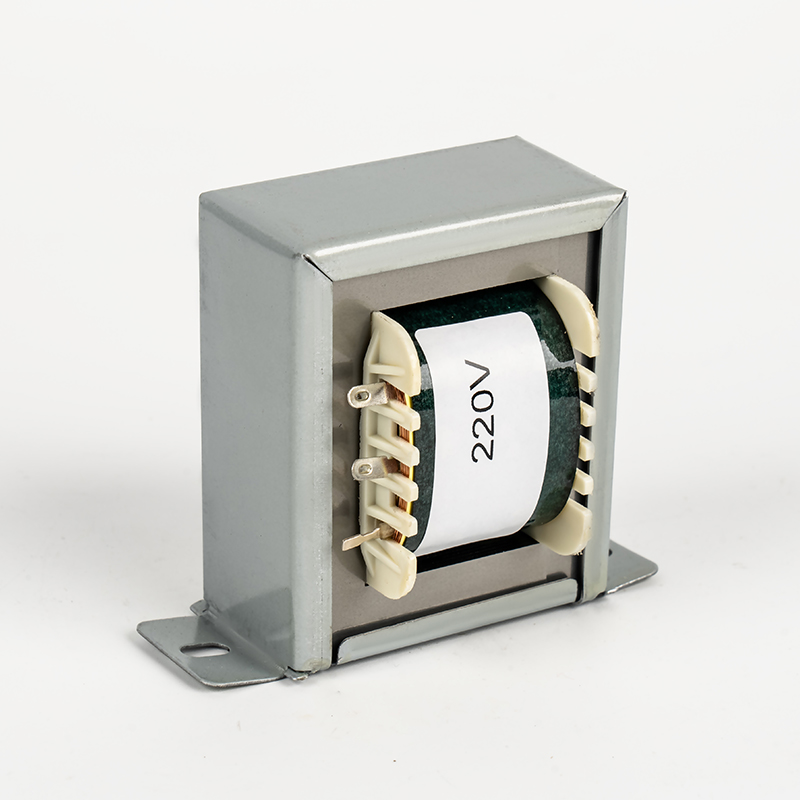
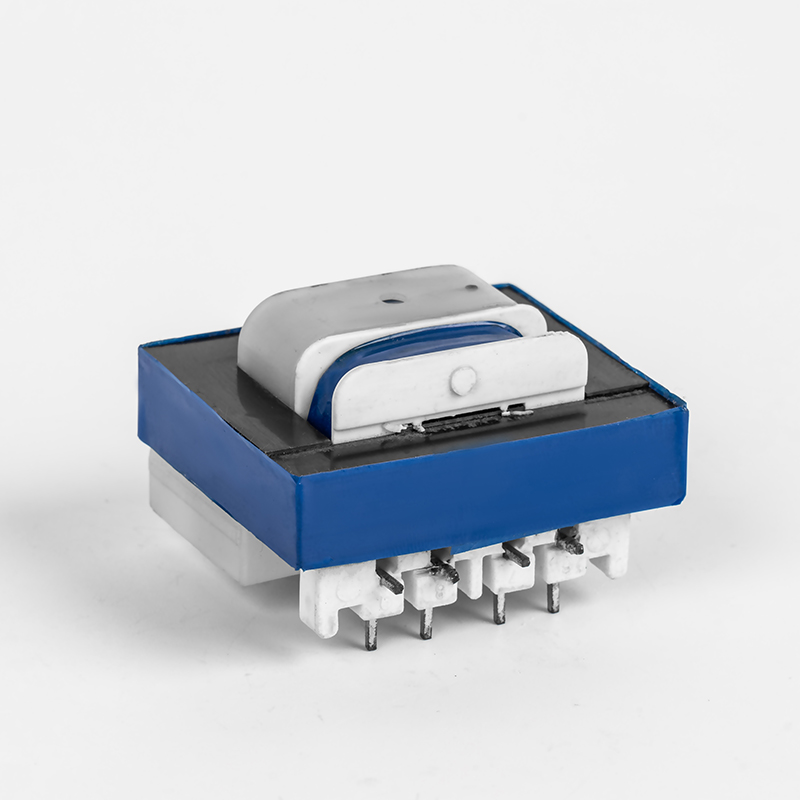
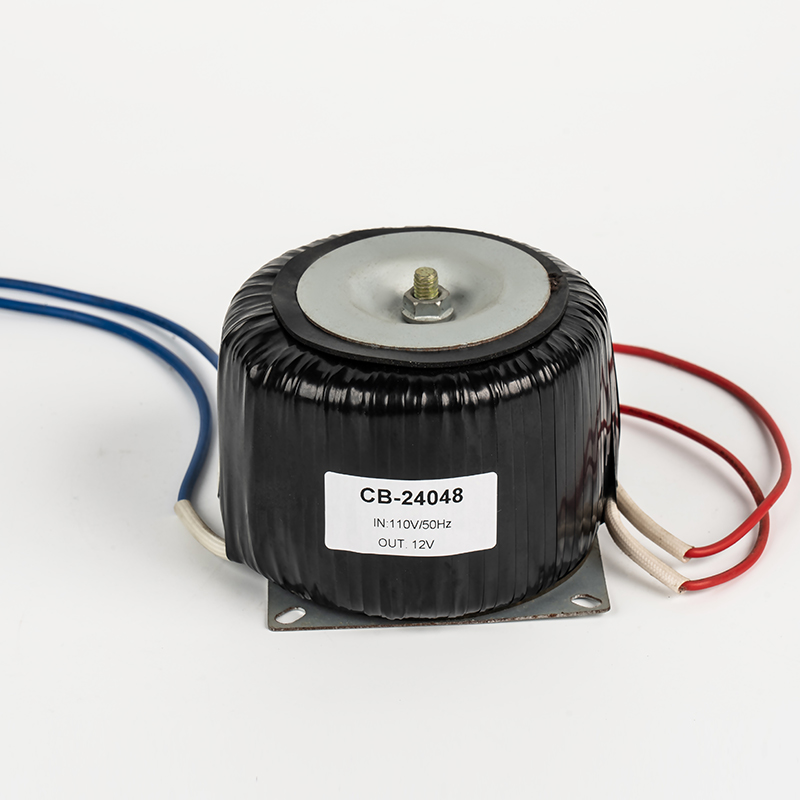
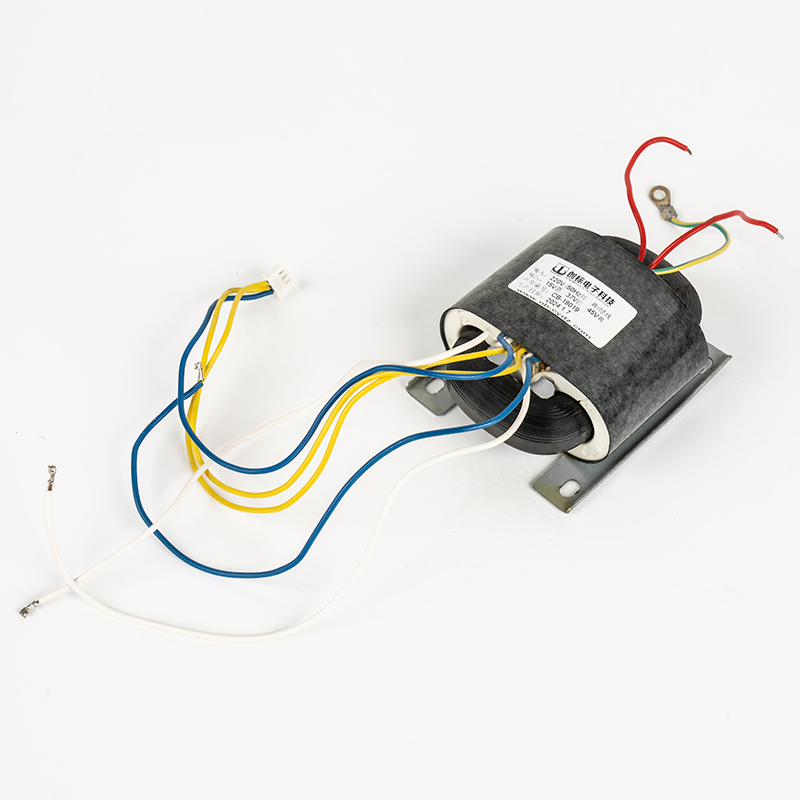
Within the standard mains frequency range of 50/60Hz, both power transformers and distribution transformers technically fall under the broader category of low frequency transformer equipment, differing mainly in voltage class and capacity rather than in basic operating principle. A capable low-frequency transformer factory typically produces EI-core units, toroidal transformers, control transformers, and custom power transformers side by side, covering everything from industrial automation gear to grid support equipment. For projects that need a non-standard turns ratio or a smaller custom batch, working with a transformer factory that combines EI transformer factory production lines with in-house engineering support usually gives buyers better balance between lead time, design flexibility, and consistent quality.
Choosing the Right Transformer for Your Application
For most engineers and procurement teams, picking between these two types is not really an either-or decision — it is dictated by where the equipment sits in the grid. A project tied to generation step-up, regional grid interconnection, or long-distance ultra-high-voltage transmission calls for a power transformer. A project involving factory floor distribution, a commercial building switchgear room, or end-of-line residential power supply calls for a distribution transformer. In practice, the two work together as a single chain: the power transformer sends electricity out across the grid, and the distribution transformer brings it back down to a usable level for every individual consumer.



Welcome To CHUANGBIAO
Address : No.420-3, Sanbei East Road, Guanhaiwei Industrial Zone, Cixi City, Ningbo, Zhejiang, China
Contact
- Tel: +86 186 6825 0703
- Email: linjian@nbcbdz.com
About us
Products
Copyright © Ningbo Chuangbiao Electronic Technology Co., Ltd.
All Rights Reserved. EI Transformer Manufacturer


