
 English
 中文简体
中文简体Low frequency vs high frequency transformer: which is more efficient?
2026-06-12
Content
- 1 Quick Comparison: Efficiency at a Glance
- 2 Why Low Frequency Transformers Hold the Efficiency Edge
- 3 Where High Frequency Transformers Make More Sense
- 4 Real-World Example: Inverter Design Trade-offs
- 5 Isolation Transformers: A Special Case
- 6 Control Transformers and BK Transformers: Efficiency in Industrial Settings
- 7 Square Transformer Designs and Core Shape Impact
- 8 Choosing Between Low Frequency and High Frequency Transformers
For most power conversion jobs, a low frequency transformer running at 50/60 Hz is actually more efficient than a high frequency transformer once you factor in real-world losses, isolation requirements, and lifespan. High frequency transformer designs win on size and weight, but they trade away some of that efficiency edge to switching losses, EMI filtering overhead, and thermal management. The "more efficient" answer depends heavily on the application — and below we break down exactly where each type wins.
Quick Comparison: Efficiency at a Glance
Before diving into the technical reasoning, here is a side-by-side look at how a typical EI transformer (low frequency) compares with a high frequency transformer of similar power rating.
| Factor | Low Frequency Transformer (50/60 Hz) | High Frequency Transformer (20kHz+) |
| Typical efficiency | 92% - 98% | 85% - 95% |
| Core material | Silicon steel / EI core | Ferrite / nanocrystalline |
| Size for same power | Large, heavy | Compact, lightweight |
| Switching losses | None | Present, increases with frequency |
| EMI/noise | Low | Higher, requires filtering |
| Typical lifespan | 15-25 years | 5-10 years |
| Best use case | Isolation, control circuits, audio, mains power | Switch-mode power supplies, inverters |
Why Low Frequency Transformers Hold the Efficiency Edge
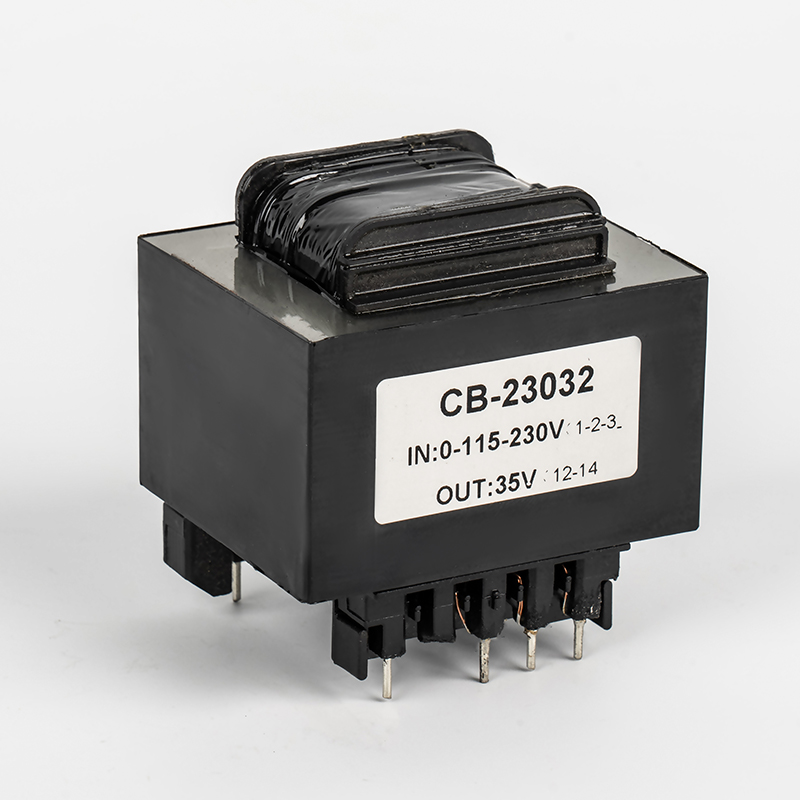
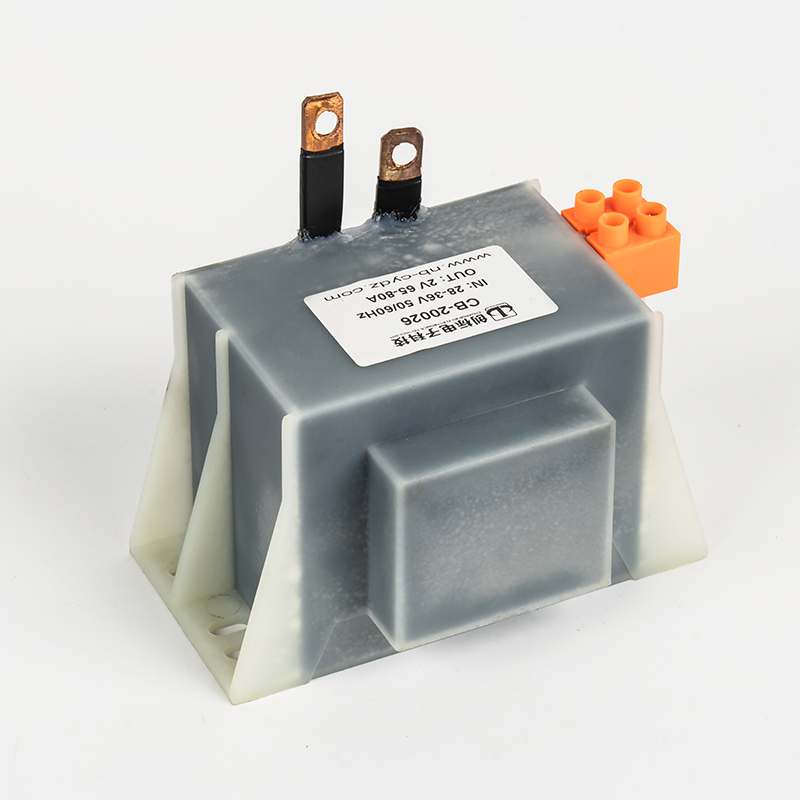
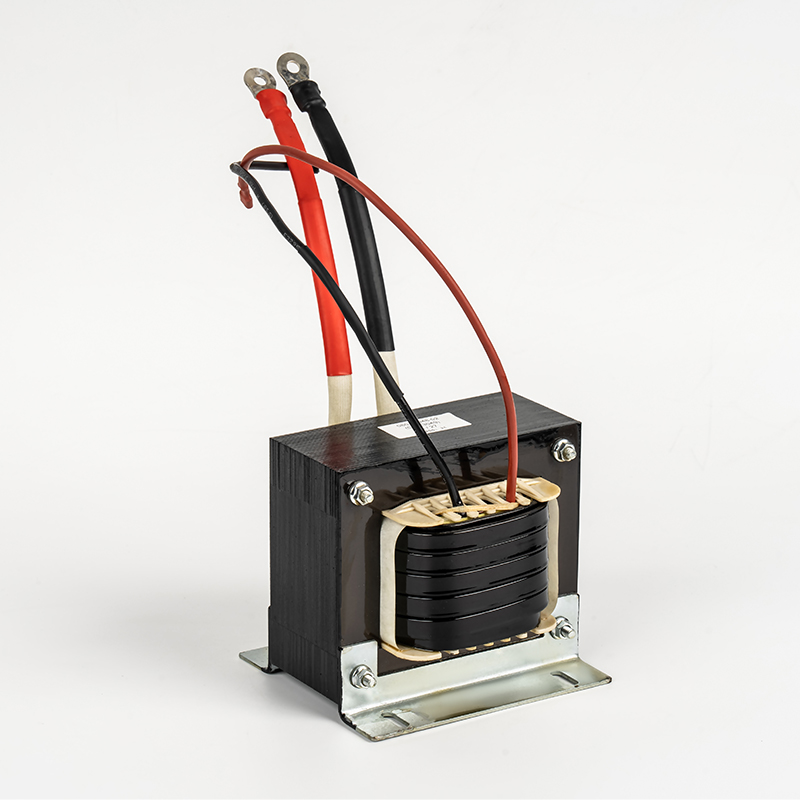
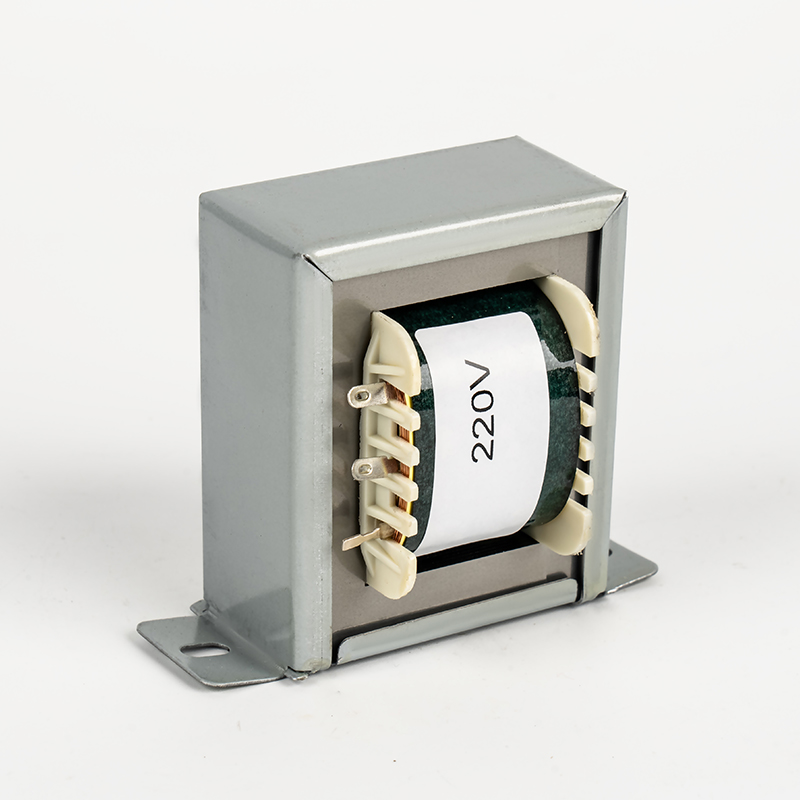
A low frequency transformer built around an EI core or toroidal core operates directly on mains frequency, which means there is no switching circuitry involved. Energy moves from primary to secondary winding through pure magnetic induction, with losses limited mostly to copper resistance (I²R losses) and core hysteresis. For a well-designed EI transformer using grain-oriented silicon steel, efficiency figures of 95% or higher at full load are common, and that number stays relatively stable across a wide load range.
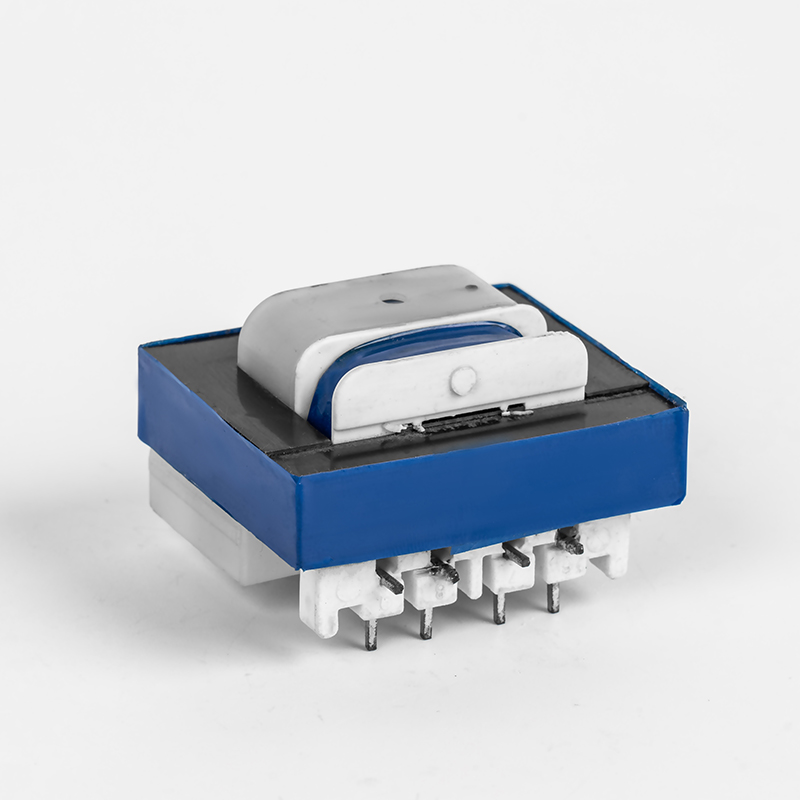
Compare that to a high frequency transformer used inside a switch-mode power supply. The core material — usually ferrite — has lower saturation flux density, so it must operate at much higher frequencies (often 20kHz to several hundred kHz) to transfer the same power through a smaller core. That higher frequency introduces additional loss mechanisms:
- Switching losses in the semiconductors driving the transformer
- Skin effect and proximity effect increasing effective winding resistance
- Core losses that rise sharply with frequency (eddy current and hysteresis losses scale with f and f² respectively)
- Additional snubber and filtering components that consume their own power
Add these together, and a real-world high frequency transformer in a compact inverter often lands in the 88-94% efficiency range, even though the transformer core itself might theoretically be capable of higher numbers. The system-level efficiency is what matters, and that's where low frequency designs tend to come out ahead.
Where High Frequency Transformers Make More Sense
Efficiency isn't the only metric that matters. A toroidal transformer or EI transformer designed for 50/60 Hz operation needs a core roughly 5 to 10 times larger by volume than an equivalent high frequency transformer to handle the same power, because the core's magnetic flux capacity is tied to frequency — lower frequency means more turns and a bigger core are needed to avoid saturation.
This is exactly why a high frequency inverter or switch-mode supply uses a high frequency transformer: the size and weight savings are massive. A 500W low frequency transformer might weigh 5-8 kg, while a 500W high frequency transformer for the same job might weigh under 1 kg. For applications like portable inverters, EV chargers, or telecom power supplies, that weight difference outweighs the few percentage points of efficiency lost.
Real-World Example: Inverter Design Trade-offs
Take a 1000W power inverter as a working example. A low frequency inverter built around an EI transformer or toroidal isolation transformer typically reaches 90-95% efficiency at full load, with very stable performance from 20% to 100% load. However, the unit itself might weigh 8-12 kg and be roughly the size of a small toolbox.
A high frequency inverter doing the same job might weigh 2-3 kg and fit in a much smaller enclosure, but efficiency often drops to 85-92%, and tends to fall off more sharply at light loads — sometimes down to 70-80% efficiency at 10% load due to fixed switching losses that don't scale down with output power.
For a backup power system that runs occasionally at full load, the low frequency inverter's stable high efficiency matters less in absolute energy terms. But for a system that runs continuously at partial load — like a solar off-grid setup — the low frequency transformer's flatter efficiency curve can mean meaningfully less wasted energy over a year.
Isolation Transformers: A Special Case
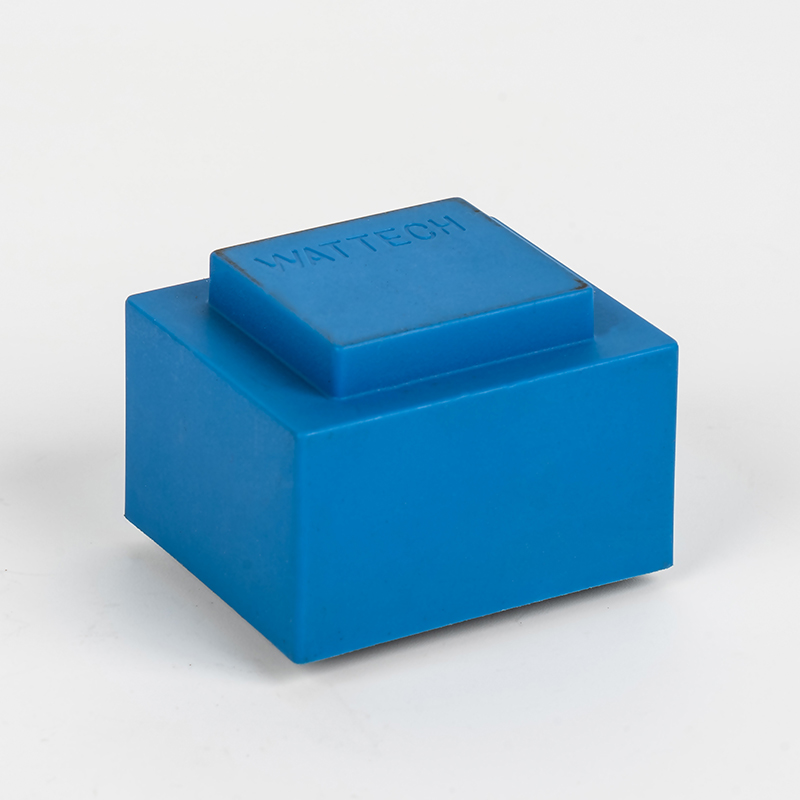
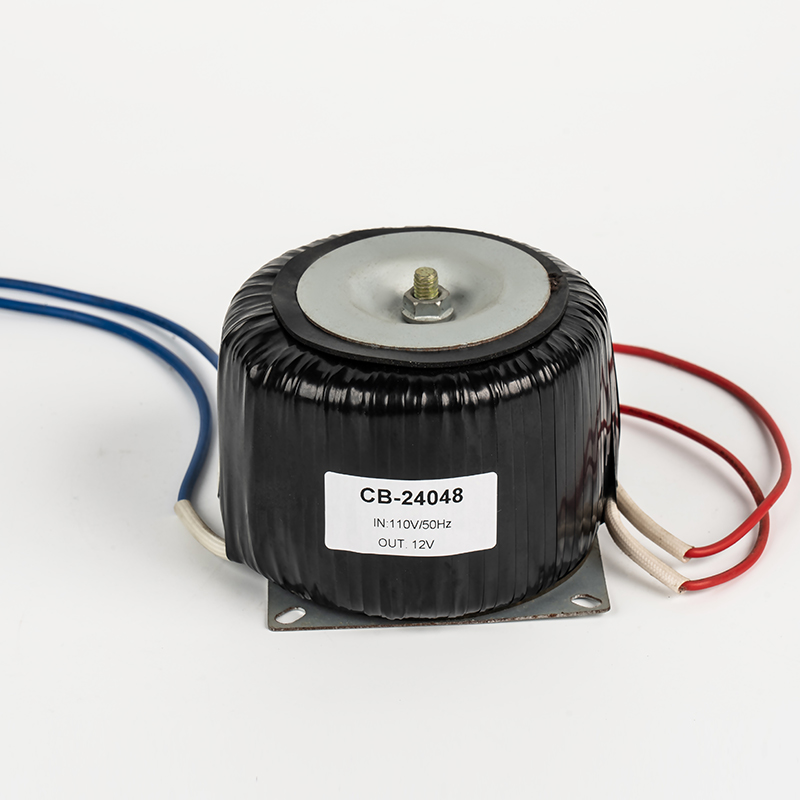
When the primary goal is electrical isolation rather than voltage conversion, a toroid isolation transformer running at line frequency is generally the preferred choice. A toroidal core has a continuous magnetic path with no air gaps at the joints, which reduces leakage flux and stray magnetic fields. This gives toroidal isolation transformers two advantages: lower no-load losses (often under 1% of rated power) and excellent noise isolation for sensitive audio or medical equipment.
High frequency isolation transformers exist too, often built into isolated DC-DC converters, but they introduce additional capacitive coupling between windings at high frequency, which can actually degrade isolation performance for noise-sensitive applications unless carefully designed with extra shielding layers.
Control Transformers and BK Transformers: Efficiency in Industrial Settings
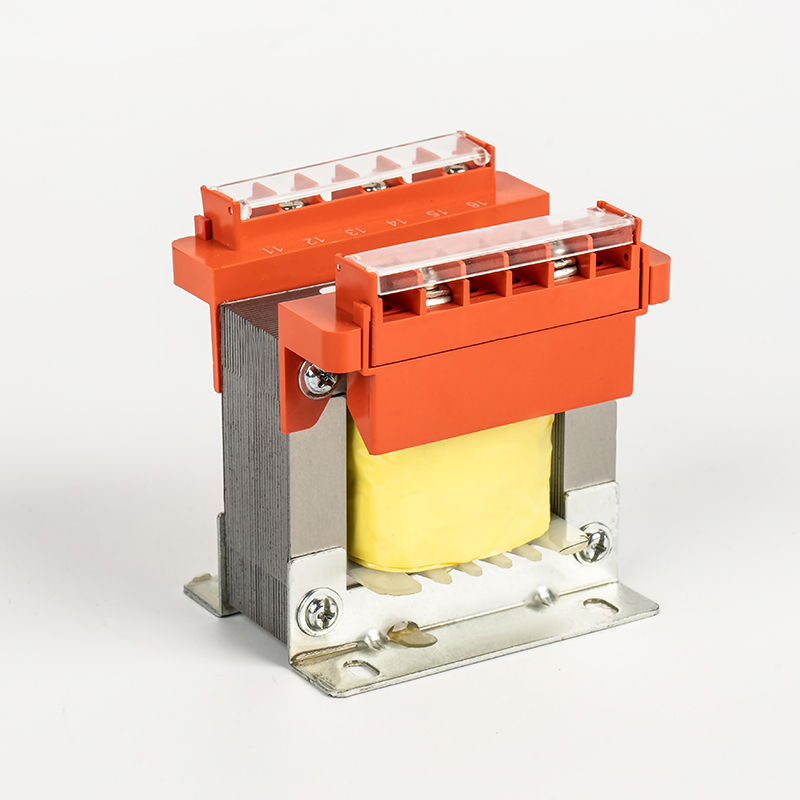
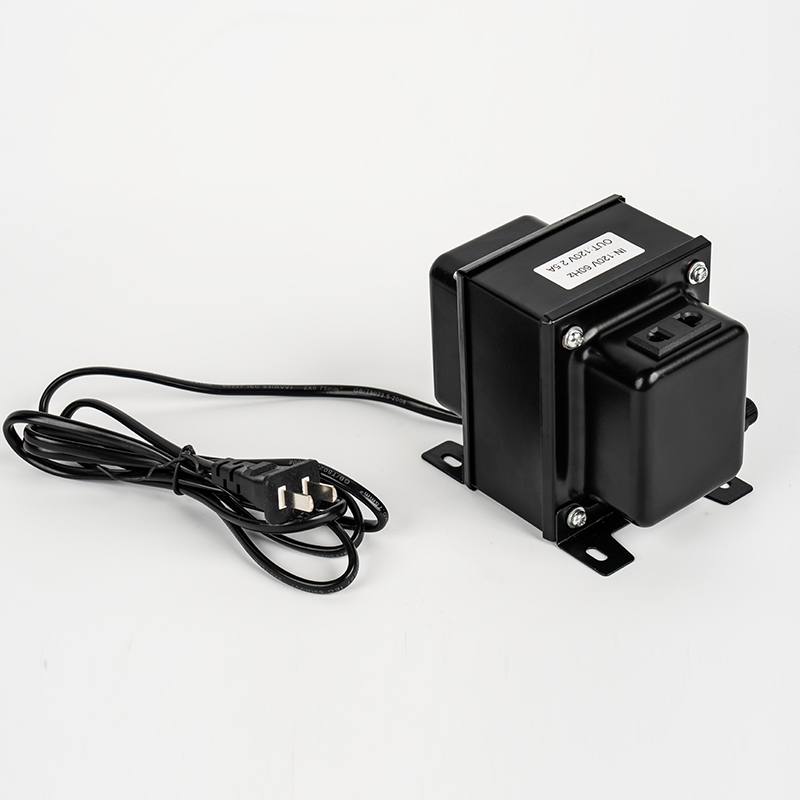
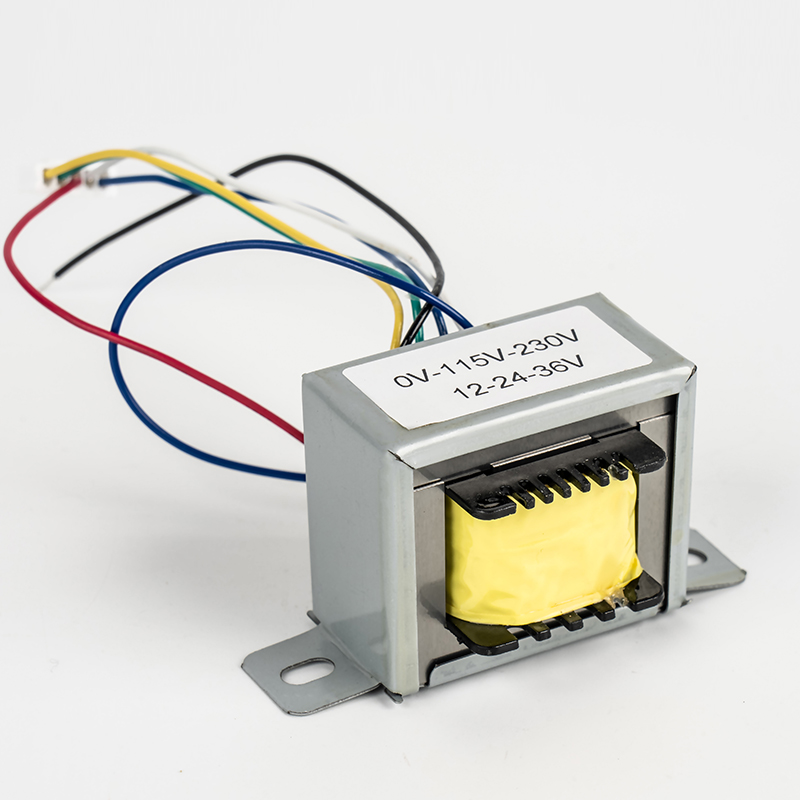
In industrial control panels, a Control transformer or BK transformer is almost always a low frequency design, typically built on an EI core. These transformers step down 220V/380V/415V mains to 24V, 110V, or other control voltages for relays, PLCs, and sensors. Efficiency at these power levels (often 50VA to 500VA) ranges from 85% to 92%, which sounds lower than larger units simply because core and copper losses become a larger fraction of total power at small sizes — but this is still significantly better than a high frequency equivalent at the same VA rating, where switching circuit overhead becomes proportionally larger.
BK transformers also benefit from simplicity and reliability — there's no active switching circuitry to fail, which is critical in control systems where downtime is costly. A typical BK control transformer rated for continuous duty can run for over a decade with minimal efficiency degradation, since the only aging mechanism is gradual insulation breakdown rather than component wear from switching stress.
Square Transformer Designs and Core Shape Impact
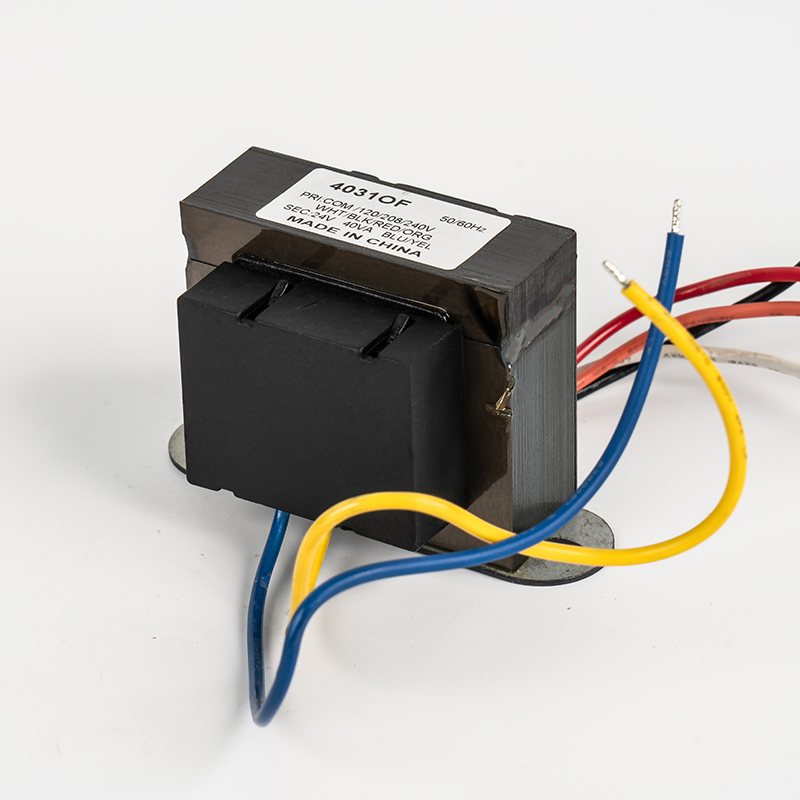
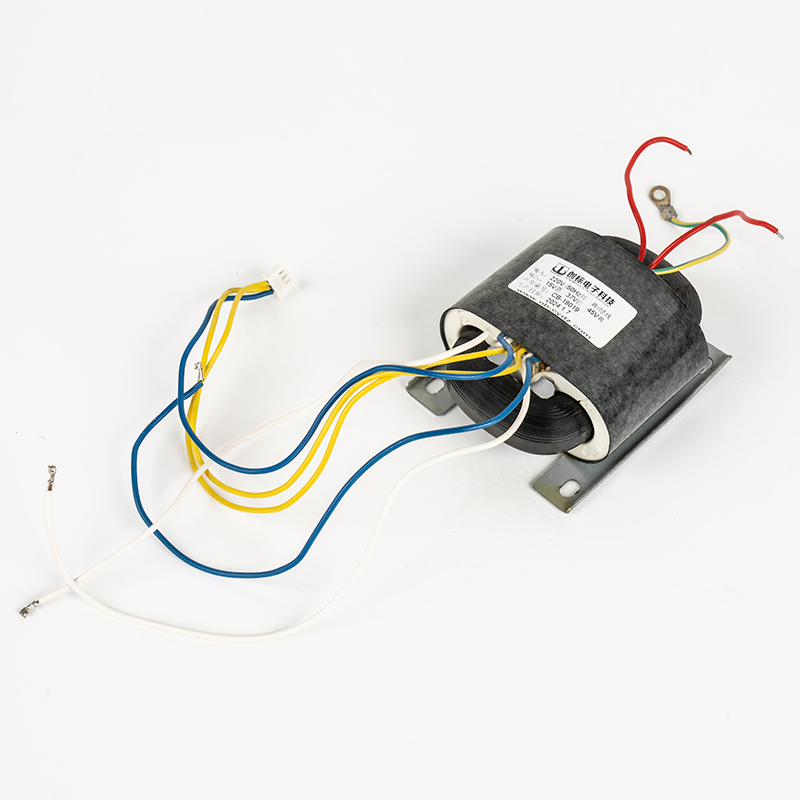
The shape of the core — whether it's an EI core, a square transformer core, or a toroidal core — also affects efficiency, independent of frequency. A square transformer (sometimes called a UI or shell-type core) has longer flux paths and more corner joints than a toroidal design, which slightly increases core losses. However, square transformer cores are easier and cheaper to manufacture, wind, and assemble, which is why they remain common in EI transformer and BK transformer product lines despite the small efficiency penalty (typically 1-3% lower than an equivalent toroidal design).
| Core Type | Relative Efficiency | Manufacturing Cost | Common Applications |
| EI / Square core | Baseline | Lower | Control transformers, BK transformers, general power |
| Toroidal core | +1-3% higher | Higher | Audio, medical, isolation transformers |
| Ferrite (high frequency) | -3-7% lower (system level) | Lower per unit, higher with filtering | Inverters, switch-mode supplies |
Choosing Between Low Frequency and High Frequency Transformers
The right choice comes down to what matters most for the application:
- If raw efficiency, long service life, and low maintenance are the priority — for example in industrial control transformers, BK transformers, or isolation transformers for sensitive equipment — a low frequency EI transformer or toroidal transformer is generally the better-performing option.
- If size, weight, and portability are the priority — for example in portable inverters, EV charging modules, or telecom rectifiers — a high frequency transformer is the practical choice, even with a modest efficiency trade-off.
- For hybrid systems, some manufacturers offer dual designs, allowing the same enclosure to house either a low frequency or high frequency core depending on the customer's priority between weight and efficiency.
When sourcing from a low-frequency transformer factory or EI transformer factory, it's worth asking for actual efficiency curves across the full load range, not just the peak efficiency number, since that flat-vs-falling efficiency curve is often the real differentiator in long-term energy costs.


Welcome To CHUANGBIAO
Address : No.420-3, Sanbei East Road, Guanhaiwei Industrial Zone, Cixi City, Ningbo, Zhejiang, China
Contact
- Tel: +86 186 6825 0703
- Email: linjian@nbcbdz.com
About us
Products
Copyright © Ningbo Chuangbiao Electronic Technology Co., Ltd.
All Rights Reserved. EI Transformer Manufacturer


