
 English
 中文简体
中文简体What Makes Air Conditioner Transformers the Strategic Growth Engine for Low-Frequency Transformer Factories in 2026?
2026-05-22
Content
- 1 Technical Architecture of Air Conditioner Transformers and the Adaptability Advantages of EI Cores
- 2 Certification Barriers for Air Conditioner Transformers and Entry Thresholds for Low-Frequency Transformer Factories
- 3 Energy Efficiency Evolution and Material Innovation in Air Conditioner Transformers
- 4 Intelligent Manufacturing and Quality Consistency of Air Conditioner Transformers
- 5 Market Landscape of Air Conditioner Transformers and Capacity Layout of Low-Frequency Transformer Factories
- 6 Future Trends of Air Conditioner Transformers and Transformation Directions for Low-Frequency Transformer Factories
Within the product portfolio of low-frequency transformer factories, air conditioner transformers have evolved from peripheral accessories into strategic-tier products. With global air conditioner ownership exceeding 4.5 billion units and annual new installations surpassing 180 million units, air conditioner transformers—serving as the voltage conversion and isolation hub between outdoor and indoor units—are witnessing market demand expanding at a compound annual growth rate of 6.8%. For professional transformer factories, air conditioner transformers not only generate stable order flows but also drive EI core process innovation toward higher-frequency and miniaturization directions.
Technical Architecture of Air Conditioner Transformers and the Adaptability Advantages of EI Cores
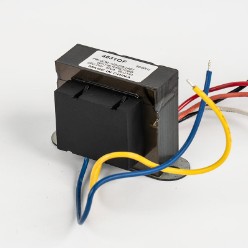
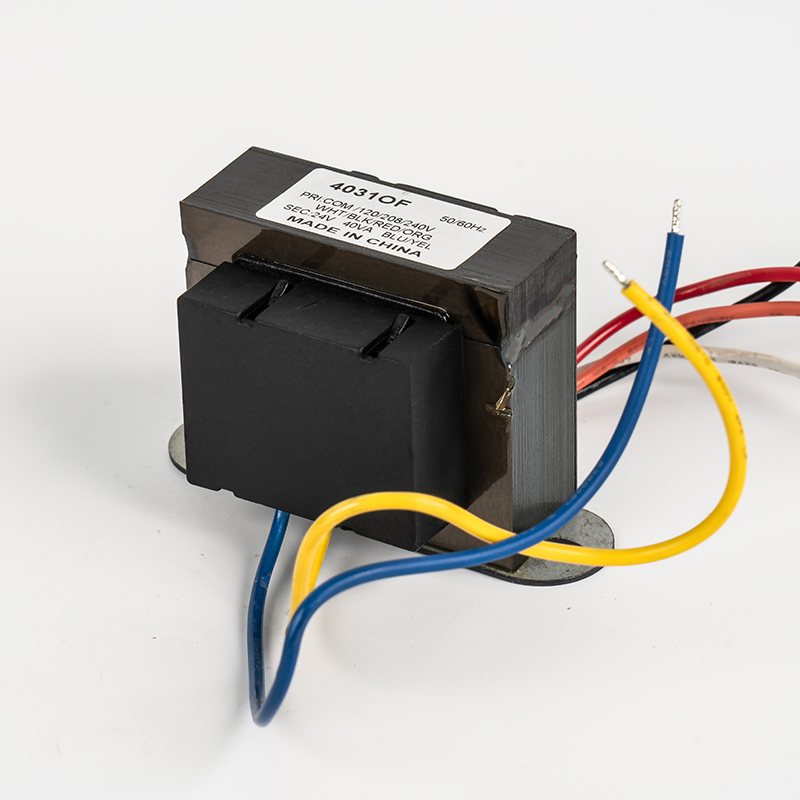
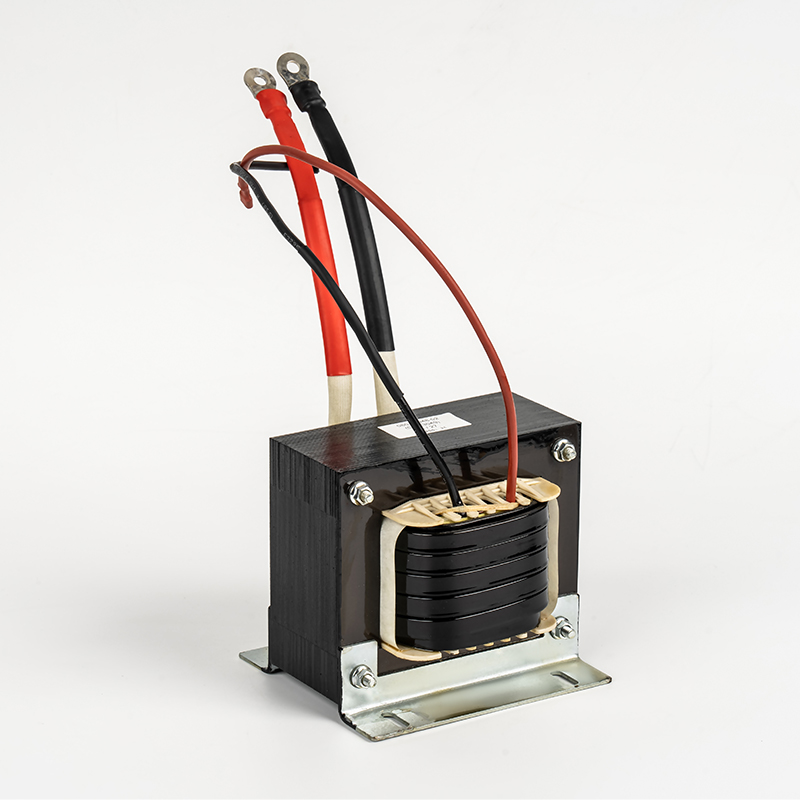
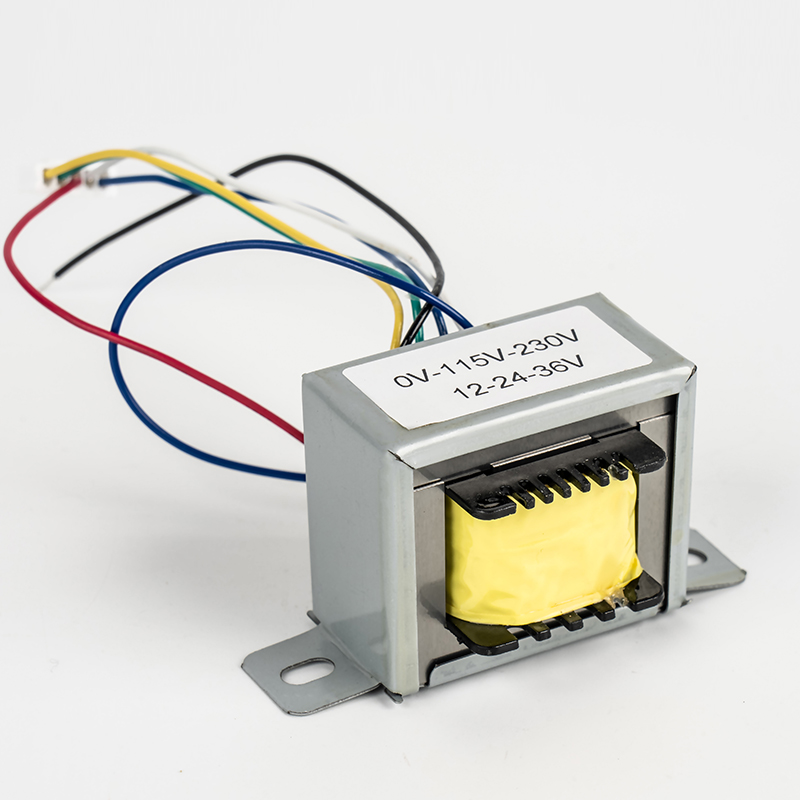
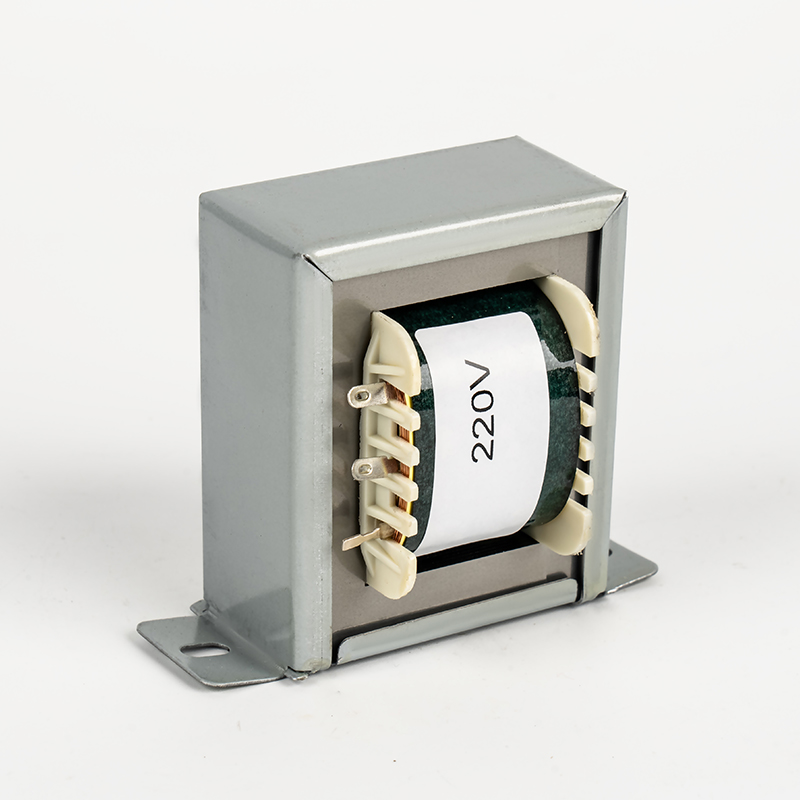
Air conditioner transformers universally adopt low-frequency power-frequency design, with operating frequencies locked at 50Hz/60Hz. This technical path dictates that their core must rely on the mature laminated core process of EI transformer factories. The EI-type core, formed by interlaminating E-shaped and I-shaped silicon steel sheets, offers high magnetic circuit closure and minimal leakage flux—making it particularly suitable for the 3 to 7 times rated current inrush loads generated during air conditioner compressor startup.
Key Parameters of EI Cores in Air Conditioner Transformers
| EI Core Model | Stack Thickness Range (mm) | Rated Power (W) | Typical AC Application |
|---|---|---|---|
| EI48 | 20 - 40 | 15 - 35 | Wall-mounted Indoor Unit Control Board |
| EI57 | 25 - 50 | 30 - 80 | 1HP to 1.5HP Outdoor Unit Fan Drive |
| EI66 | 30 - 60 | 60 - 150 | 2HP to 3HP Cabinet Compressor Auxiliary |
| EI76 | 35 - 70 | 120 - 250 | Central AC Module Control Power Supply |
| EI96 | 40 - 80 | 200 - 500 | Commercial VRF Main Control Transformer |
As shown in Table 1, transformer factories can cover the full spectrum from residential wall-mounted units to commercial central air conditioning systems simply by adjusting the stack thickness and window dimensions of EI cores. This modular design capability is difficult to match with toroidal or C-type transformers—the latter may offer slightly higher efficiency but suffer from expensive tooling costs and longer lead times, making them unsuitable for the concentrated inventory buildup rhythm of the air conditioning industry during March to April each year.
Certification Barriers for Air Conditioner Transformers and Entry Thresholds for Low-Frequency Transformer Factories
Air conditioner transformers are not ordinary low-frequency transformers; they must simultaneously satisfy the dual constraints of home appliance safety standards and energy efficiency regulations. Taking the Chinese market as an example, air conditioner transformers must pass CQC product certification; exports to the EU must comply with the ROHS environmental directive, restricting six hazardous substances including lead and mercury; the North American market requires dielectric withstand and insulation resistance tests under UL certification.
Rigid Requirements of Certification Systems on Production Processes
- ISO9001 quality system certification mandates four checkpoints—supplier admission, incoming inspection, in-process patrol inspection, and outgoing full inspection—with missed inspection rates controlled below 0.05%
- ROHS environmental certification requires all raw materials such as silicon steel sheets, magnet wires, and insulating bobbins to provide third-party test reports, ensuring cadmium content remains below 100ppm
- CQC certification temperature rise tests require transformers to operate continuously for 8 hours at 1.1 times rated voltage, with winding temperature rise not exceeding 105K (Class A insulation)
- Dielectric withstand tests must apply 3000VAC for 1 minute between primary and secondary windings, with leakage current below 5mA and no breakdown or arcing phenomena
These certification barriers shut out numerous small workshop-style low-frequency transformer factories. Data shows that fewer than 200 transformer factories in China possess full certification qualifications for air conditioner transformers, and only 30-plus scaled enterprises achieve annual production capacity exceeding 5 million units. Certification credentials have become the core competitive barrier for low-frequency transformer factories.
Energy Efficiency Evolution and Material Innovation in Air Conditioner Transformers
Global air conditioner energy efficiency standards are undergoing a new round of upgrades. China's GB 21455-2019 has raised the air conditioner energy efficiency entry threshold by approximately 15%, while the EU Ecodesign 2023 regulation requires standby power consumption below 0.5W. These regulations directly transmit to the design end of air conditioner transformers: EI transformer factories must optimize synchronously across three dimensions—core materials, winding process, and insulation systems.
Material Upgrade Pathways
- Silicon Steel Sheet Iteration: Upgrading from conventional grain-oriented silicon steel (core loss approx. 4.5W/kg) to high-flux low-loss silicon steel (core loss reduced to 2.8W/kg), decreasing no-load losses by 38%
- Magnet Wire Upgrade: Adopting polyester-imide magnet wire rated at 180°C to replace conventional 130°C grade products, allowing higher current density and reducing copper usage by approximately 12%
- Insulating Bobbin Engineering: Using flame-retardant reinforced nylon (UL94 V-0 grade) to replace conventional PBT, boosting arc resistance index above 600V to withstand surge impacts during air conditioner compressor startup
- Impregnation Process Improvement: Upgrading from traditional varnish dipping to Vacuum Pressure Impregnation (VPI), increasing varnish film fill rate above 95%, improving heat dissipation efficiency by 20%, while simultaneously reducing electromagnetic noise by 3 to 5dB
These material innovations do not exist in isolation but rely on the supply chain integration capabilities of low-frequency transformer factories. Taking silicon steel sheets as an example, leading transformer factories have established direct supply agreements with steel mills, locking in monthly quotas for high-grade silicon steel to ensure no raw material shortages during the air conditioner peak season (March to July each year).
Intelligent Manufacturing and Quality Consistency of Air Conditioner Transformers
The air conditioning industry has extremely low tolerance for transformer defect rates—OEMs demand failure rates at the ppm level (one in a million). This means transformer factories must achieve near-zero defects during mass production. Currently, leading low-frequency transformer factories have deployed CNC automatic winding machines, automatic EI lamination machines, and online comprehensive test systems, minimizing human intervention.
Key Nodes of Automated Production Lines
| Process | Equipment Type | Key Control Points | Pass Rate Requirement |
|---|---|---|---|
| Winding | CNC Six-Axis Winding Machine | Turn Accuracy ±0.5%, Wire Arrangement Flatness | ≥99.5% |
| Lamination | Automatic EI Stacking Machine | Silicon Steel Stack Thickness Tolerance ±0.2mm, Burr-Free | ≥99.2% |
| Impregnation | Vacuum Pressure Impregnation Tank | Vacuum ≤-0.095MPa, Pressure Hold Time ≥30min | ≥98.8% |
| Testing | Online Comprehensive Tester | Full Inspection: Withstand Voltage, Inter-Turn, No-Load, Load | 100% Inspection |
| Aging | High-Temperature Aging Chamber | 105°C/4h Full-Load Aging, Screening Early Failures | ≥99.9% |
Data in Table 2 demonstrates that EI transformer factories, through layer-by-layer screening with automated equipment, can control final shipment defect rates below 50ppm. For an annual output of 10 million air conditioner transformers, total annual defective units would not exceed 500—sufficient to meet the stringent quality requirements of leading air conditioner brands for their supply chains.
Market Landscape of Air Conditioner Transformers and Capacity Layout of Low-Frequency Transformer Factories
Global air conditioner transformer capacity is highly concentrated in China's Yangtze River Delta and Pearl River Delta regions. Among them, Ningbo, Zhejiang, leveraging the logistics hub advantages of the Hangzhou Bay Bridge, has formed a complete industrial chain cluster spanning silicon steel slitting, mold processing, to finished product testing. Transformer factories within this region can compress delivery cycles to 7 to 10 days—over 40% faster than inland factories.
Capacity Distribution and Seasonal Fluctuations
Orders for air conditioner transformers exhibit significant seasonal characteristics: the first quarter of each year represents the inventory buildup peak, accounting for 35% to 40% of annual order volume; the second quarter enters the intensive delivery period; volumes gradually decline after the third quarter. This fluctuation demands that low-frequency transformer factories possess flexible capacity—boosting output to 1.8 times normal levels during peak seasons by adding shifts and expanding winding machine counts, while shifting to counter-cyclical categories such as medical transformers and audio transformers during off-seasons to balance production line utilization.
From a customer structure perspective, the top five customer concentration ratio for air conditioner transformer orders is approximately 55% to 60%, featuring strong customer stickiness but significant pricing pressure. Consequently, transformer factories generally adopt a strategy of "securing share with major clients, extracting profit from small and medium clients": providing customized EI transformers for leading air conditioner brands to lock in long-term agreements, while simultaneously outputting standardized products to second- and third-tier brands or the aftermarket to maintain profit margins.
Future Trends of Air Conditioner Transformers and Transformation Directions for Low-Frequency Transformer Factories
As inverter air conditioner penetration exceeds 75% and heat pump air conditioners rapidly proliferate in cold regions, the technical trajectory of air conditioner transformers is undergoing structural changes. Although traditional low-frequency transformers for fixed-frequency air conditioners remain mainstream, the miniaturization demands of auxiliary power supplies in inverter systems are driving some transformer factories to explore hybrid solutions combining EI cores with high-frequency switching power supplies.
Three Main Lines of Technical Evolution
- Miniaturization: By adopting thinner silicon steel sheets (0.23mm replacing 0.35mm) and compact winding design, reducing the volume of same-power EI transformers by 20% to 25% to adapt to the increasingly crowded electronic control boxes of inverter air conditioner outdoor units
- Low Noise: Electromagnetic noise from air conditioner transformers during quiet nighttime hours has become a focal point of user complaints. Leading EI transformer factories reduce noise levels from 35dB to below 28dB by optimizing core joint gaps (controlled within 0.05mm) and adding buffer pads
- Intelligentization: Some high-end air conditioner transformers are beginning to integrate temperature sensors and overload protection modules, monitoring winding temperature rise in real-time and feeding back signals to the main control board during anomalies—achieving the leap from passive components to intelligent nodes
These trends impose new capability requirements on low-frequency transformer factories: not only mastery of traditional EI lamination process but also cross-disciplinary competencies in electronic circuit design and embedded software development. Over the next five years, comprehensive transformer factories capable of simultaneously commanding low-frequency transformer and high-frequency transformer technology platforms will occupy more favorable ecological positions within the air conditioner supply chain.


Welcome To CHUANGBIAO
Address : No.420-3, Sanbei East Road, Guanhaiwei Industrial Zone, Cixi City, Ningbo, Zhejiang, China
Contact
- Tel: +86 186 6825 0703
- Email: linjian@nbcbdz.com
About us
Products
Copyright © Ningbo Chuangbiao Electronic Technology Co., Ltd.
All Rights Reserved. EI Transformer Manufacturer


