
 English
 中文简体
中文简体Which Low-Frequency Transformer Delivers Better Value: Toroidal or EI Core?
2026-05-15
Content
- 1 Magnetic Circuit Structure Defines Performance Ceiling
- 2 Efficiency and Temperature Rise: Data Reveals the Truth
- 3 Load Characteristics and Overload Resilience
- 4 Electromagnetic Compatibility and Installation Adaptability
- 5 Manufacturing Process and Supply Chain Considerations
- 6 Five-Step Decision Framework to Lock In the Optimal Solution
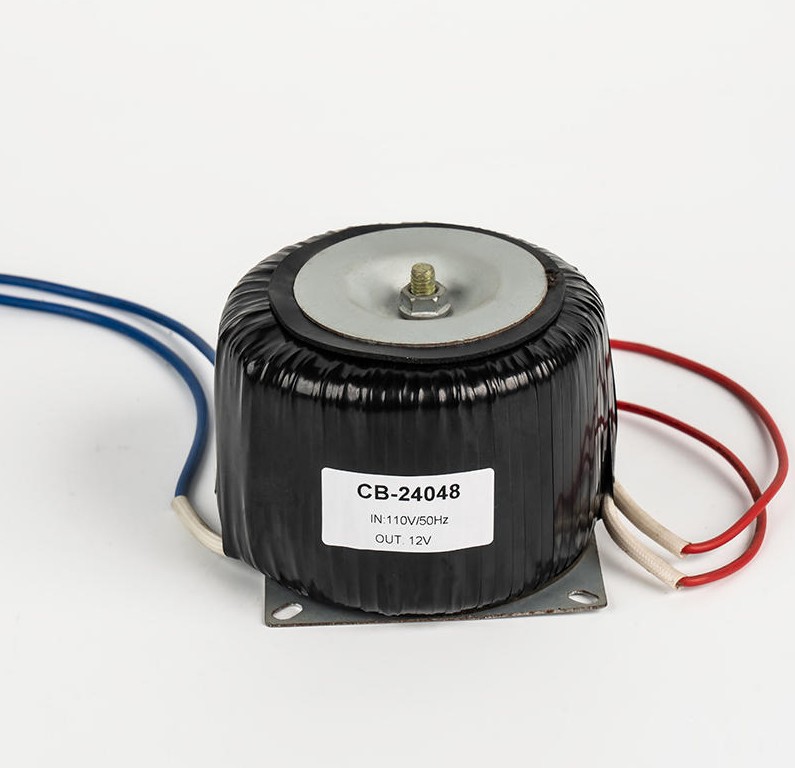
In low-frequency transformer selection, toroidal and EI core transformers each hold irreplaceable advantages—toroidal transformers achieve over 90% efficiency and minimal magnetic leakage through continuous magnetic circuits, making them the preferred choice for audio amplifiers, medical instruments, and other scenarios demanding power purity; EI core transformers excel in overload resilience, maintenance convenience, and cost control, offering greater economic practicality in industrial control systems and machine tool equipment subject to continuous load fluctuations. The core difference is not a matter of simple superiority, but rather a precise match between magnetic circuit structure, heat dissipation method, and load characteristics.
Magnetic Circuit Structure Defines Performance Ceiling
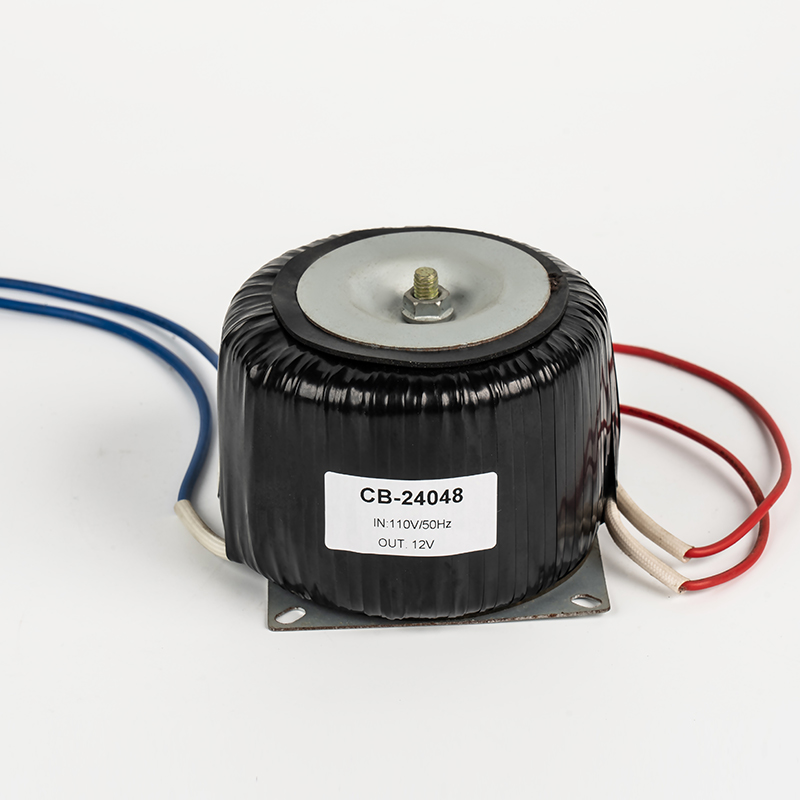
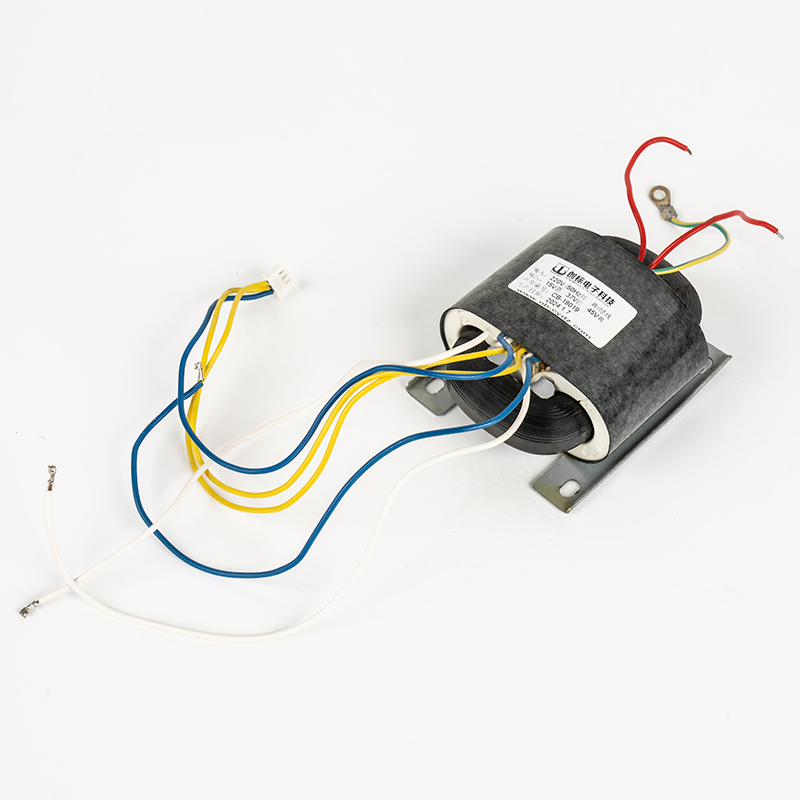
The fundamental difference between low-frequency transformers first manifests in core structure. Toroidal transformers employ seamless wound tape-wound silicon steel rings, creating a continuous magnetic circuit without air gaps. Excitation energy and core losses are reduced by approximately 25% compared to conventional laminated designs. This structure aligns magnetic flux almost perfectly with the core path, yielding extremely low leakage and significantly reduced electromagnetic radiation compared to EI core transformers.
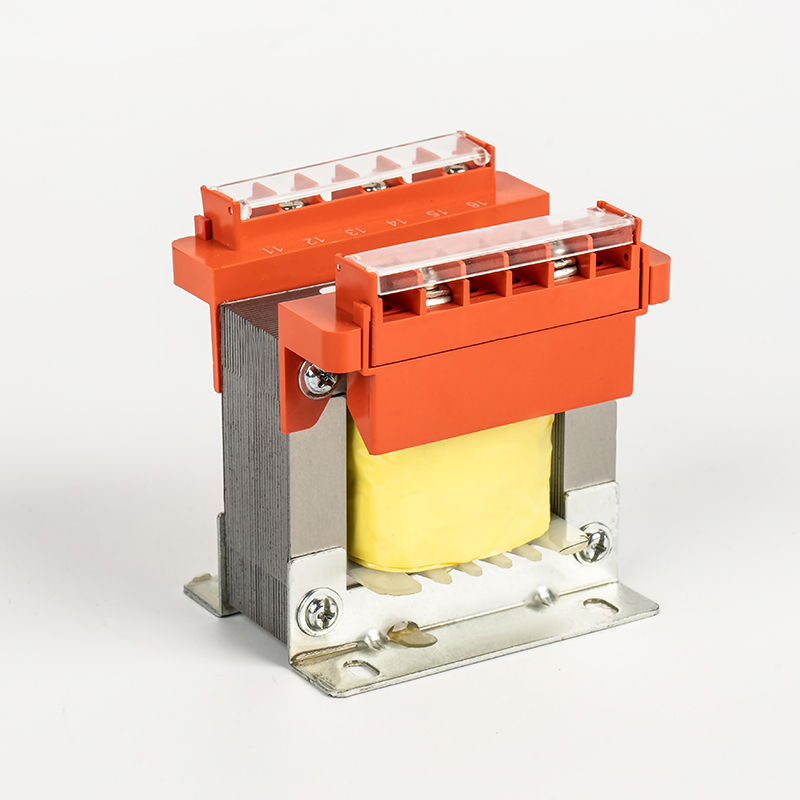
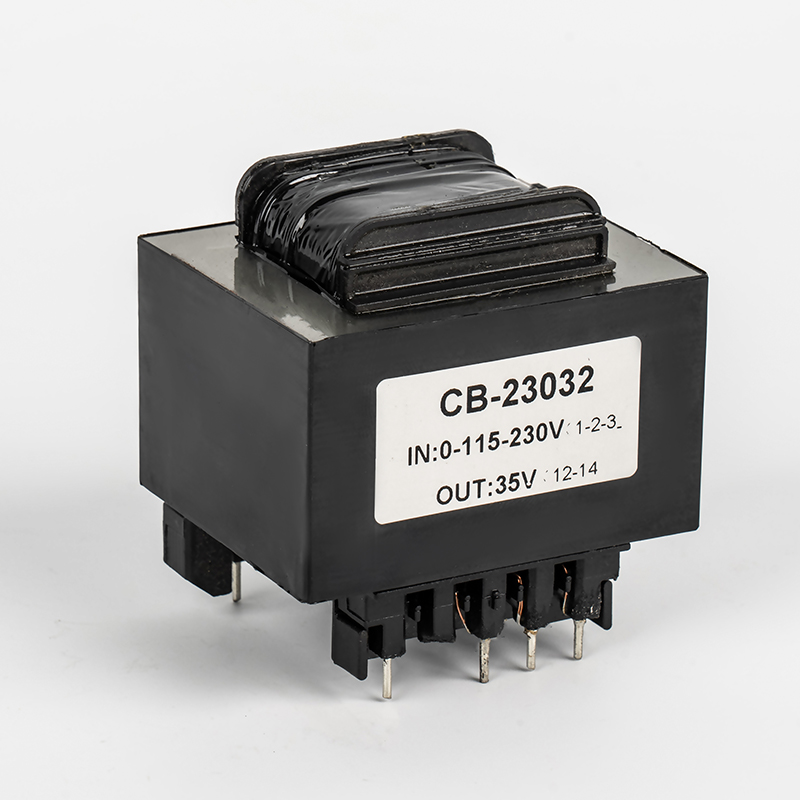
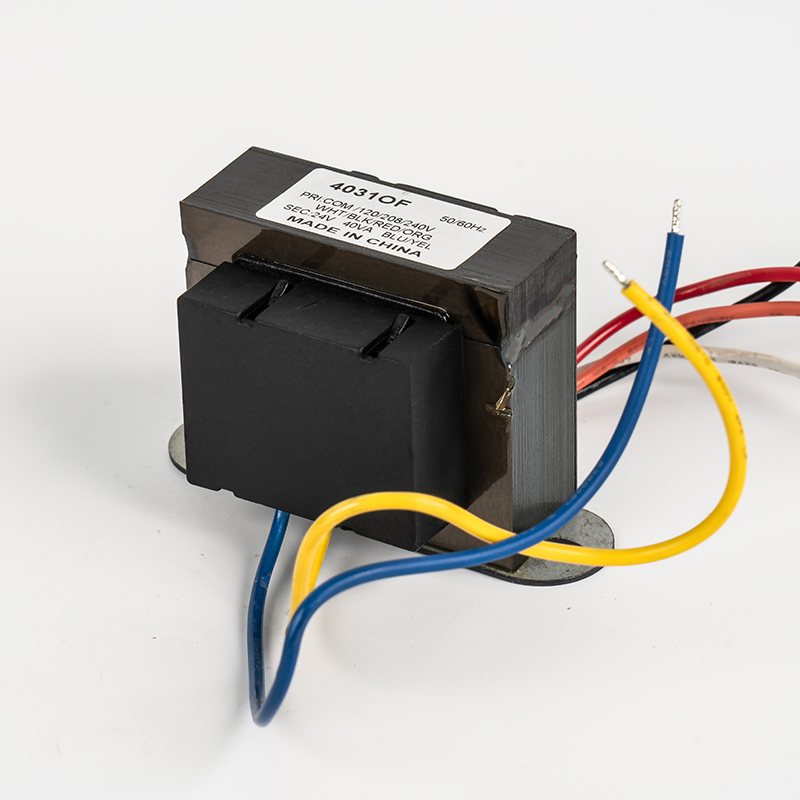
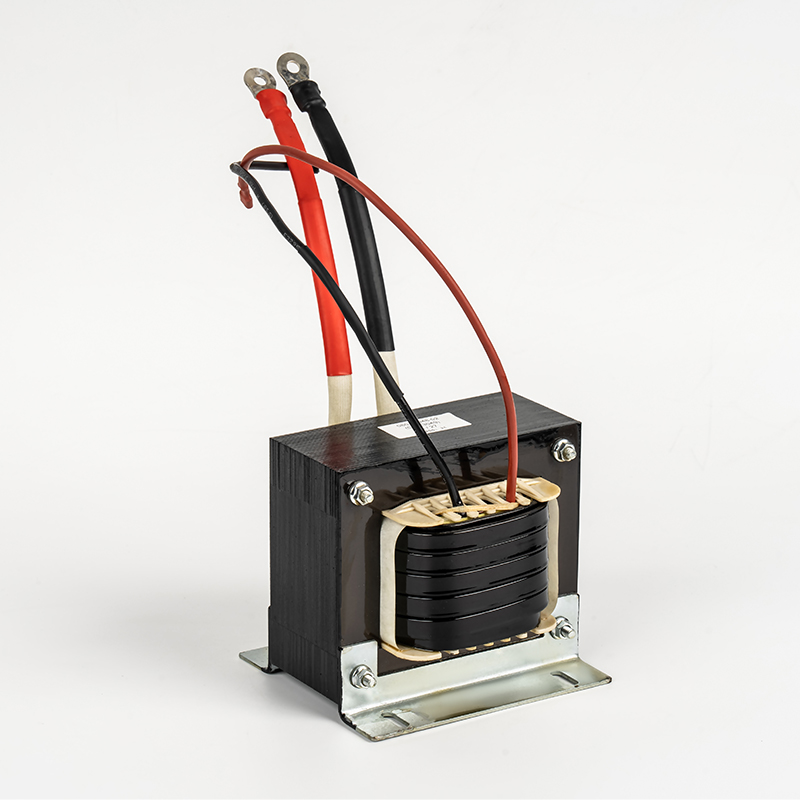
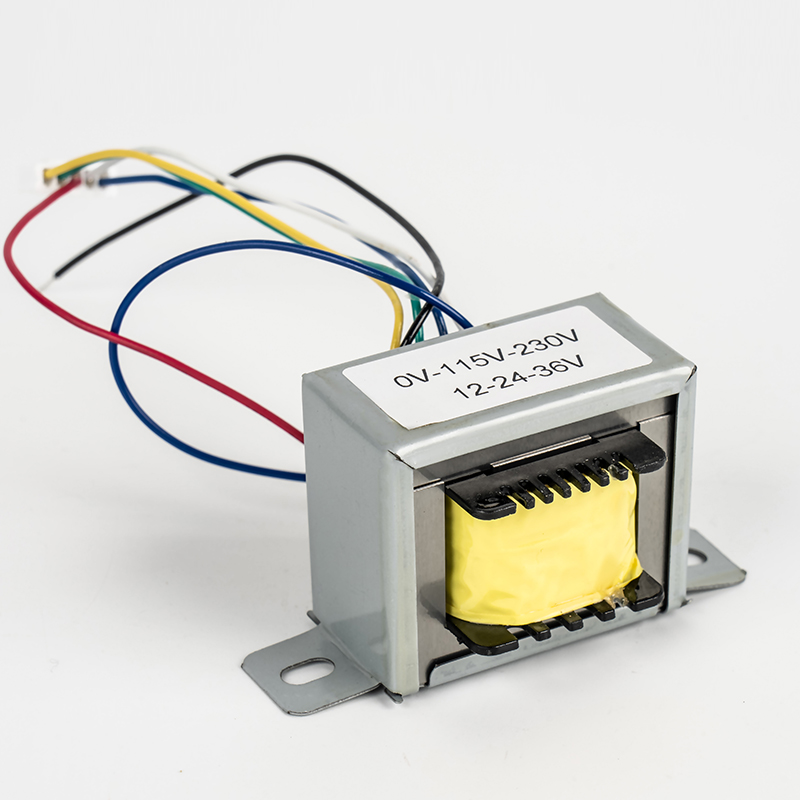
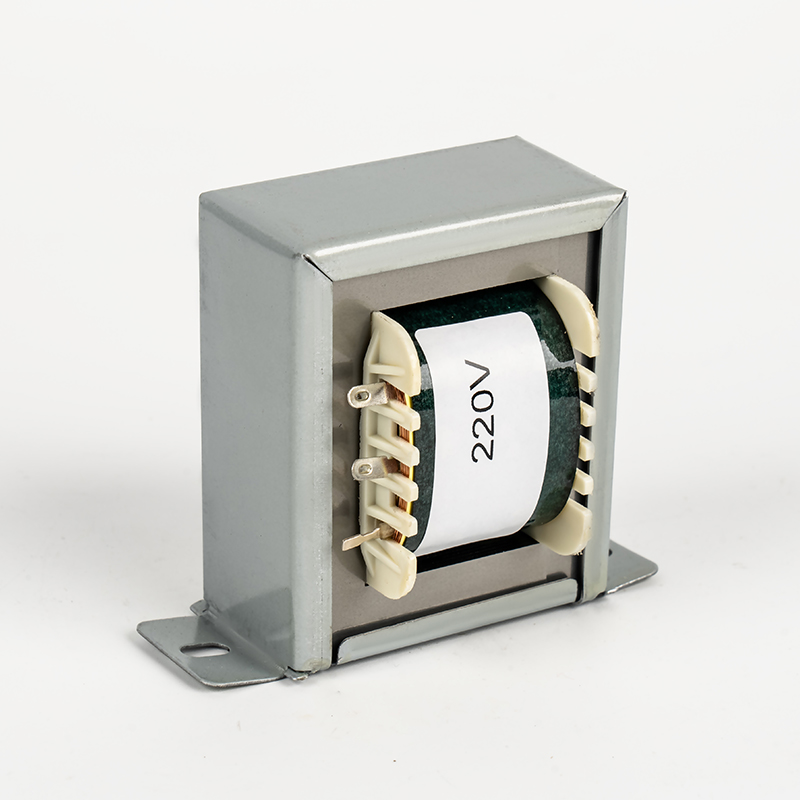
In contrast, EI core transformers are assembled from interleaved E-shaped and I-shaped silicon steel laminations forming "square" or "double-window" structures, with natural air gaps between sheets. Although magnetic leakage exceeds toroidal designs by roughly 15%, these microscopic gaps create natural ventilation channels, improving heat dissipation efficiency and keeping temperature rise approximately 20°C lower than fully enclosed designs. This structural characteristic determines the EI core's thermal stability advantage under prolonged high-load conditions.
| Comparison Dimension | Toroidal Transformer | EI Core Transformer |
|---|---|---|
| Magnetic Circuit Structure | Continuous gap-free toroidal | E+I laminations with air gaps |
| Leakage Flux Level | Extremely Low | Higher (approx. +15%) |
| Core Loss Control | ~25% lower than EI | Additional loss from air gaps |
| Heat Dissipation Method | Relies on enclosure conduction | Natural ventilation through lamination gaps |
| Magnetic Saturation Voltage | Relatively lower | Higher (stronger surge resilience) |
Efficiency and Temperature Rise: Data Reveals the Truth
At the 200W power level, toroidal transformers achieve operating efficiencies of 90%—92%, while EI core transformers typically fall within the 80%—84% range. This means that under identical output power, EI core transformers dissipate approximately 8%—12% more electrical energy as waste heat, directly resulting in significantly higher operating temperatures compared to toroidal designs.
The efficiency differential stems from distinct core loss and copper loss compositions. Toroidal transformers require no additional excitation current to compensate for magnetic reluctance due to their gap-free design, reducing copper losses; simultaneously, the continuous magnetic circuit minimizes hysteresis and eddy current losses, achieving superior core loss control. Notably, when power exceeds 200W, the comprehensive cost of toroidal transformers may actually fall below that of EI cores, as material savings from higher efficiency (less silicon steel and copper wire) can offset the complexity of the winding process.
Real Impact of Temperature Rise on Equipment Lifespan
Transformer insulation material lifespan follows the Arrhenius law: for every 10°C temperature increase, insulation aging rate approximately doubles. Toroidal transformers, with their lower core losses and favorable heat dissipation conditions, typically operate 15°C—25°C cooler than EI cores. Under identical insulation classes (such as Class B 130°C or Class F 155°C), this translates to an expected lifespan 1.5—2 times longer than EI core transformers. For medical equipment or industrial control systems requiring 7×24 continuous operation, this difference directly determines maintenance cycles and total cost of ownership.
Load Characteristics and Overload Resilience
The two transformer types present striking contrasts in load response characteristics. Toroidal transformers employ direct-coupled structures delivering near-zero delay response, capable of instantly satisfying current surges demanded by audio amplifiers and similar equipment, preventing issues such as insufficient sound fullness or audio quality degradation. Their uniformly wound coils tightly enveloping the toroidal core effectively suppress magnetostriction-induced "hum" noise, achieving extremely low acoustic noise levels.
EI core transformers dominate in overload resilience. Their laminated structure permits 30% short-term overload while maintaining normal operation, demonstrating higher tolerance than toroidal designs. This characteristic renders them more reliable in industrial scenarios with severe load fluctuations, such as machine tool equipment and welding machines. Furthermore, EI core transformer windings are typically mounted on removable bobbins, enabling component-level replacement when damaged—a maintenance convenience significantly superior to toroidal transformers requiring complete disassembly.
Application-Specific Selection Recommendations
- Audio amplifiers and high-fidelity equipment: Prioritize toroidal transformers, leveraging their low noise, minimal leakage flux, and rapid response to preserve audio purity
- Medical instruments and laboratory equipment: Toroidal transformers' low electromagnetic radiation and stable output better satisfy precision measurement requirements
- Machine tool control and industrial automation: EI core transformers' overload resilience and maintenance convenience deliver greater practical value
- Power distribution and UPS systems: EI core transformers' higher magnetic saturation voltage provides stronger resilience against grid voltage surges
Electromagnetic Compatibility and Installation Adaptability
Regarding electromagnetic compatibility (EMC), toroidal transformers hold an almost undisputed advantage. Their minimal leakage flux and low radiation field characteristics enable compliance with EMC requirements for most sensitive electronic equipment without additional metal shielding. In contrast, EI core transformers exhibit significant leakage flux at the center and gaps between magnetic circuits even under no-load conditions, potentially interfering with surrounding sensitive components. In applications requiring strict electromagnetic interference control—such as medical imaging equipment or communication base station power supplies—EI core transformers typically require added shielding enclosures or metal castings, further increasing volume and cost.
Installation adaptability presents different spatial constraints for each type. Toroidal transformers are compact and weight-concentrated but require installation spaces with equal length and width dimensions; EI core transformers feature rectangular profiles with larger overall volume, yet their cubic structure facilitates stacking in standard cabinets, and orientation changes have minimal impact on space utilization. For space-constrained consumer electronics, toroidal transformers' dimensional flexibility (customizable outer diameter and height based on chassis internal structure) offers greater design advantages.
Manufacturing Process and Supply Chain Considerations
From the manufacturing perspective, toroidal transformers offer shorter production cycles without requiring stamping dies or coil bobbin injection molds, making them suitable for small-to-medium batch production with rapid model changes. However, their winding process is complex, requiring uniform coil distribution to prevent localized overheating, and demands higher operator skill levels. EI core transformers are better suited for large-scale automated production, with lamination processes rapidly completed by machinery, yielding lower per-unit labor costs.
Regarding material selection, both transformer types rely on high-permeability silicon steel and pure copper windings as quality foundations. Premium products typically employ cold-rolled grain-oriented silicon steel sheets thinner than 0.35mm, paired with heat-resistant copper wire rated for Class H insulation, achieving low-loss and low-temperature-rise operation. It is worth noting that toroidal transformer manufacturing costs typically exceed EI cores by 18%—25%, yet when power exceeds 200W, their material savings effect may reverse this cost gap.
Quality Certifications Are Non-Negotiable
Regardless of structural choice, suppliers holding ISO9001 quality management system certification, CQC product certification, and ROHS environmental certification demonstrate greater product consistency and long-term reliability. Complete inspection protocols should include withstand voltage testing, insulation resistance testing, overload testing, and temperature rise testing as critical items, ensuring every transformer leaving the factory meets design specifications.
Five-Step Decision Framework to Lock In the Optimal Solution
- Define load characteristics: Analyze whether equipment presents continuous stable loads (industrial control) or instantaneous surge loads (audio amplification); favor EI for the former, toroidal for the latter
- Evaluate EMC requirements: If precision sensors or communication modules exist nearby, prioritize toroidal transformers with extremely low leakage flux
- Calculate power rating: Below 200W, EI cores hold clear cost advantages; above 200W, toroidal efficiency advantages may offset initial investment
- Consider maintenance strategy: For remote locations or difficult-to-shutdown scenarios, EI cores' detachable repair structure offers greater operational value
- Confirm installation constraints: When space is limited and non-standard dimensions are needed, toroidal transformers' customization flexibility prevails
Ultimately, low-frequency transformer selection should not pursue single-metric extremes but rather find the optimal balance between efficiency, cost, reliability, and maintainability that best matches specific application scenarios. As the two mainstream solutions in low-frequency power supply, toroidal and EI core transformers have each undergone decades of industrial validation. The key lies in whether engineers can accurately identify the core constraints of application requirements.


Welcome To CHUANGBIAO
Address : No.420-3, Sanbei East Road, Guanhaiwei Industrial Zone, Cixi City, Ningbo, Zhejiang, China
Contact
- Tel: +86 186 6825 0703
- Email: linjian@nbcbdz.com
About us
Products
Copyright © Ningbo Chuangbiao Electronic Technology Co., Ltd.
All Rights Reserved. EI Transformer Manufacturer


