
 English
 中文简体
中文简体What Is a High Current Transformer?
2026-06-26
Content
Technical Guide
A high current transformer is an instrument transformer that steps down high primary currents to standardized secondary values (typically 1A or 5A) for safe measurement, protection, and control in electrical systems.
Core Working Principle
High current transformers operate on the principle of electromagnetic induction. When alternating current flows through the primary winding or conductor, it generates a magnetic field in the ferromagnetic core. This varying magnetic field induces a proportional current in the secondary winding, scaled down by the turns ratio between the primary and secondary windings.
For example, a transformer with a 1000:5 ratio converts 1000 amps on the primary side to a safe 5 amps on the secondary side. This allows standard meters and relays to operate without exposure to dangerous current levels.
Key Structural Components
Primary Winding
Carries the high current to be measured. In many designs, the primary is simply a single conductor or busbar passing through the transformer core.
Magnetic Core
Made of laminated silicon steel to concentrate magnetic flux, minimize energy losses, and maintain high accuracy under continuous load.
Secondary Winding
Contains many more turns than the primary. Delivers the scaled-down current to connected instruments, meters, and protective relays.
Insulation System
Epoxy resin or oil insulation ensures safe operation under high voltage stress, preventing breakdown between windings and core.
Primary Types and Applications
High current transformers are categorized by their intended function. Each type is engineered with distinct core materials, winding designs, and accuracy tolerances to match specific operational demands.
Protection Transformers
Designed to maintain signal integrity during fault conditions such as short circuits and ground faults. These units feature high saturation thresholds to preserve waveform fidelity long enough for circuit breakers and relays to isolate faulted sections. Typical applications include switchgear, motor control centers, and utility distribution networks.
Metering Transformers
Engineered for billing-grade accuracy under normal load conditions. Accuracy classes such as 0.1, 0.2, or 0.5 ensure precise energy measurement for revenue calculations and load monitoring. These are essential in panel boards, energy management systems, and utility billing infrastructure.
Dual-Purpose Transformers
Combine metering accuracy with protective relay performance in a single assembly. These reduce installation footprint and wiring complexity, making them ideal for space-constrained environments such as compact switchgear and urban substations.
Physical Construction Variants
The physical configuration of a high current transformer determines its installation method, conductor compatibility, and environmental suitability. Engineers select from several construction types based on project constraints.
| Construction Type | Description | Typical Application |
|---|---|---|
| Bar Type | Primary conductor is a solid bar integrated into the assembly during manufacturing. | High-current busbar systems and utility switchgear |
| Window Type | Features a hollow core aperture through which conductors are passed. | Panel boards and modular switchgear installations |
| Split-Core | Hinged or bolted halves allow clamping around existing conductors without circuit de-energization. | Retrofit projects and temporary monitoring setups |
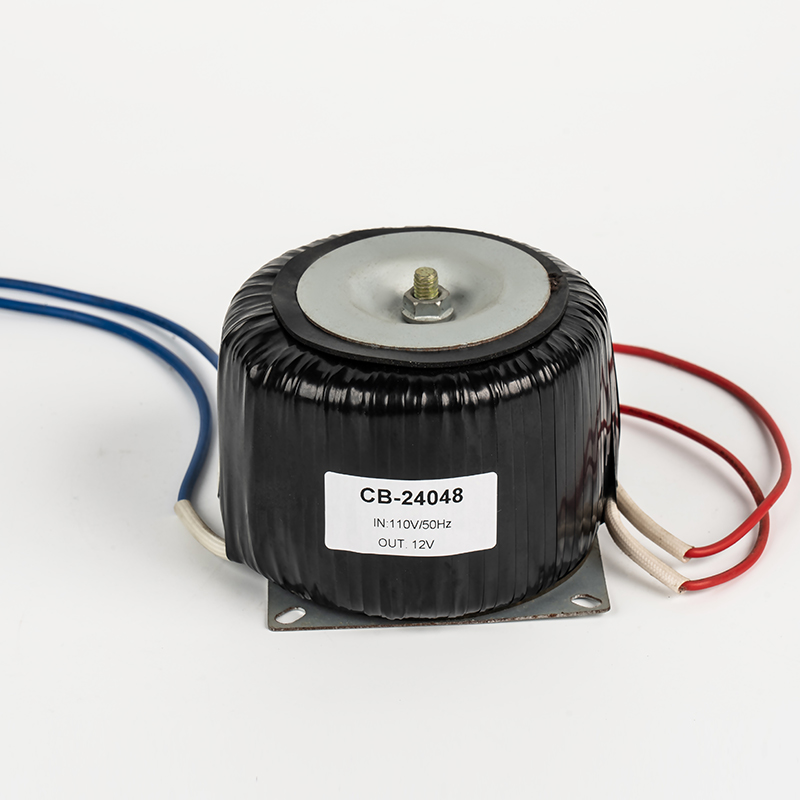
| Toroidal | Circular core minimizes flux leakage and harmonic distortion. | Ground fault protection and precision metering |
Critical Technical Specifications
Selecting the correct high current transformer requires careful evaluation of electrical parameters. Mismatched specifications introduce measurement errors and may cause thermal failures or equipment damage.
| Parameter | Description | Typical Values |
|---|---|---|
| Current Ratio | Defines the relationship between primary current and secondary output. | 100:5, 500:5, 1000:5, up to 4000:5 |
| Secondary Current | Standardized output for instrument compatibility. | 1A or 5A |
| Accuracy Class | Defines measurement precision under specified conditions. | 0.1, 0.2, 0.5 (metering); 5P, 10P (protection) |
| Burden (VA) | Maximum load the secondary can drive without accuracy degradation. | 1.25 VA, 5 VA, 15 VA, 25 VA, 40 VA |
| Insulation Level | Voltage withstand capability of the insulation system. | 0.6 kV to 36 kV and above |
| Overcurrent Strength | Multiple of rated current the transformer can withstand briefly. | 40 times to 150 times rated current |
Manufacturing and Quality Standards
Professional manufacturers of high current transformers adhere to stringent quality protocols. Materials are sourced from approved suppliers in accordance with ISO9001 standards. Production utilizes advanced CNC machinery and automated testing systems. Every unit undergoes comprehensive quality inspection before leaving the factory.
Common certifications include ISO9001 quality system certification, CQC product quality certification, and ROHS environmental protection certification. These standards ensure that transformers meet international benchmarks for safety, reliability, and environmental compliance.
Installation and Safety Essentials
Proper installation is critical for both performance and safety. Engineers must maintain adequate insulation clearance, ensure correct polarity connections, and provide proper grounding of the secondary circuit.
The most critical safety rule is that the secondary circuit must never be open-circuited while the primary is energized. An open secondary can generate dangerously high voltages, posing severe risks to personnel and equipment. To disconnect safely, use shorting blocks or terminal covers before breaking the secondary circuit.
Related Transformer Products
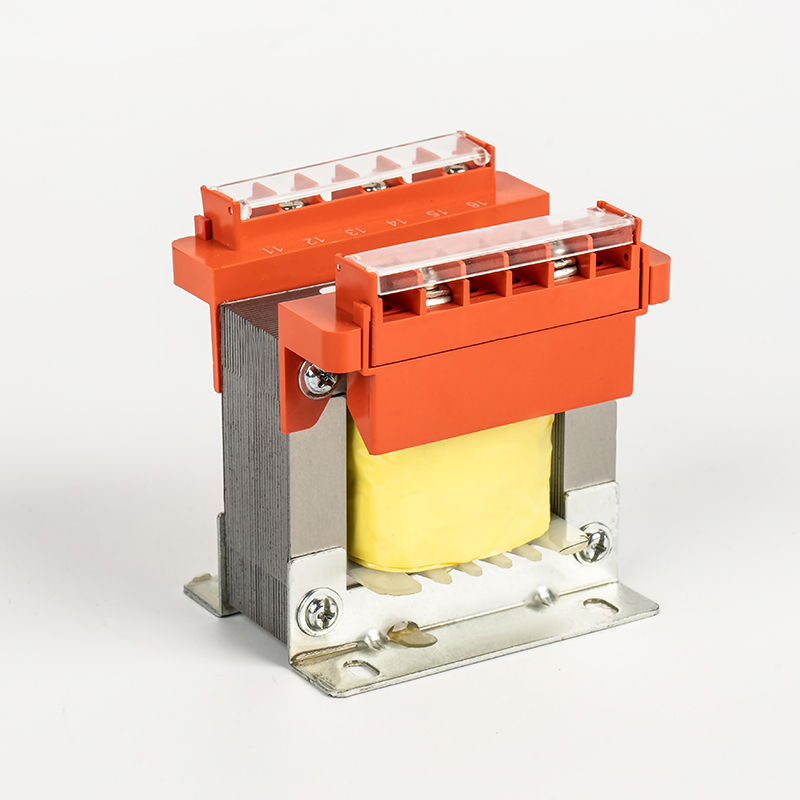
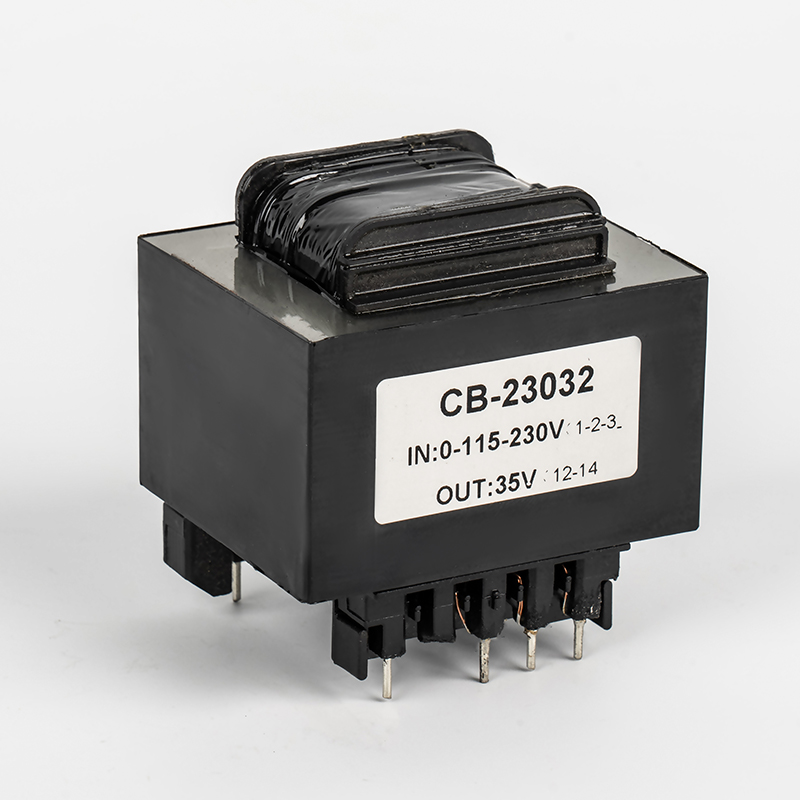
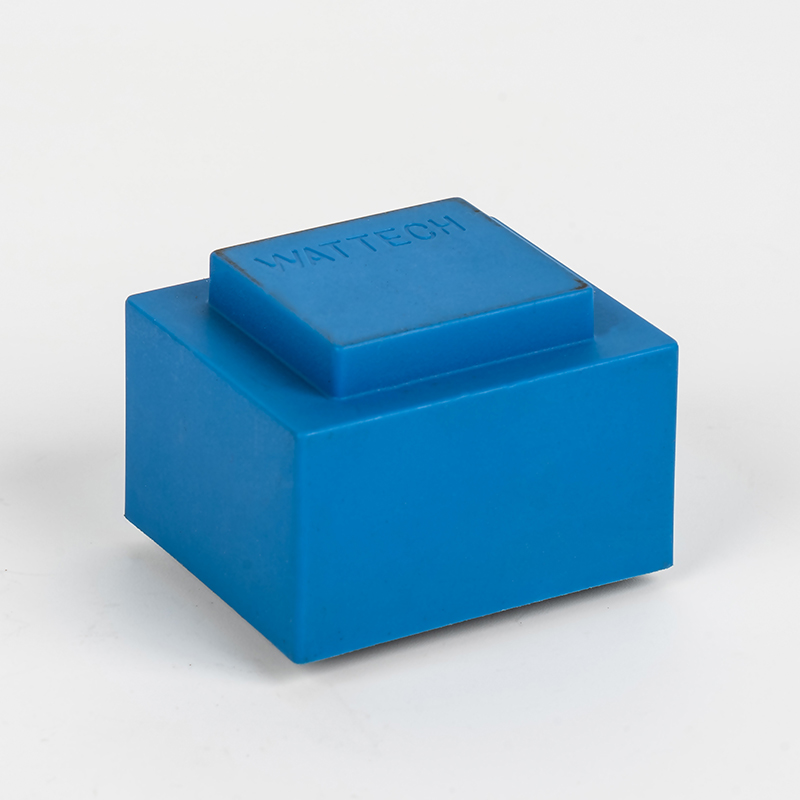
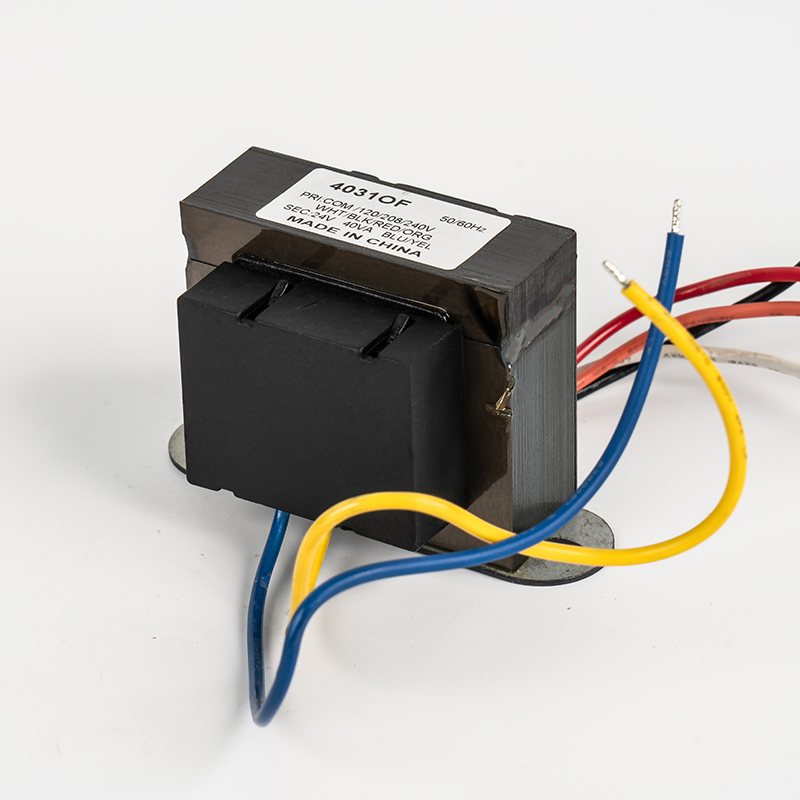
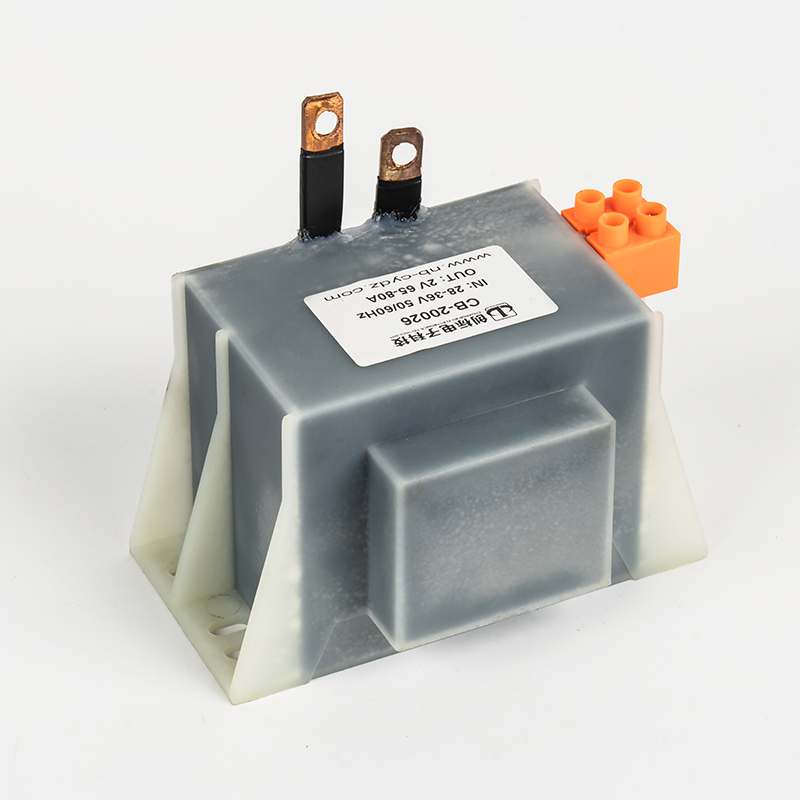
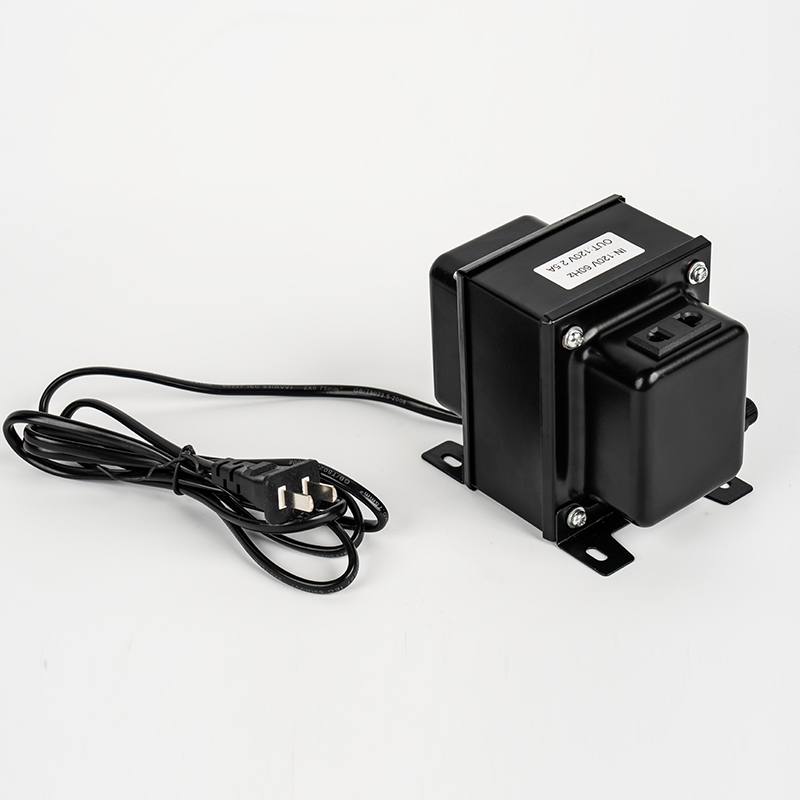
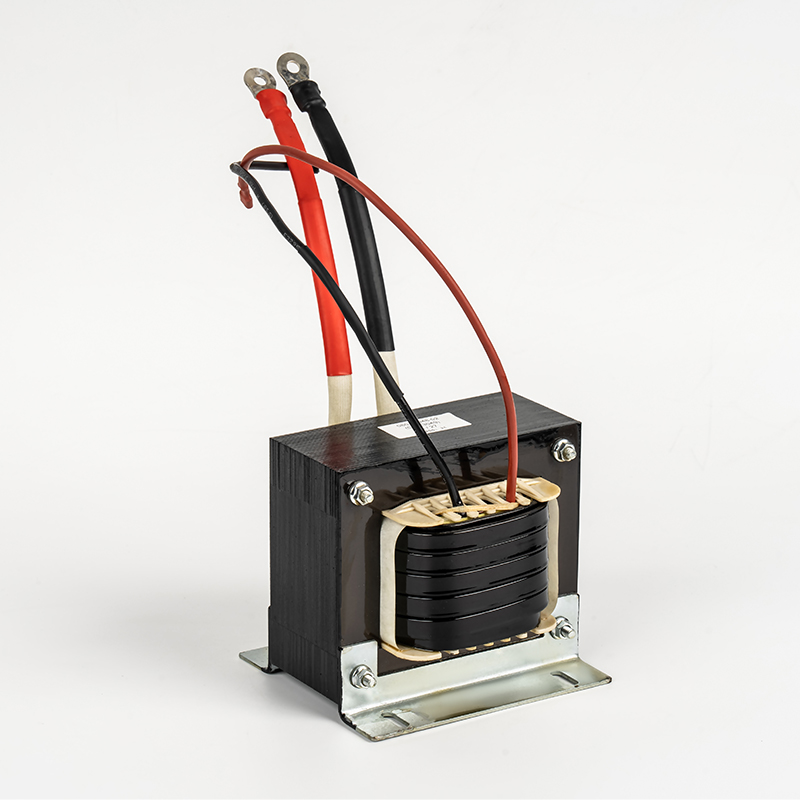
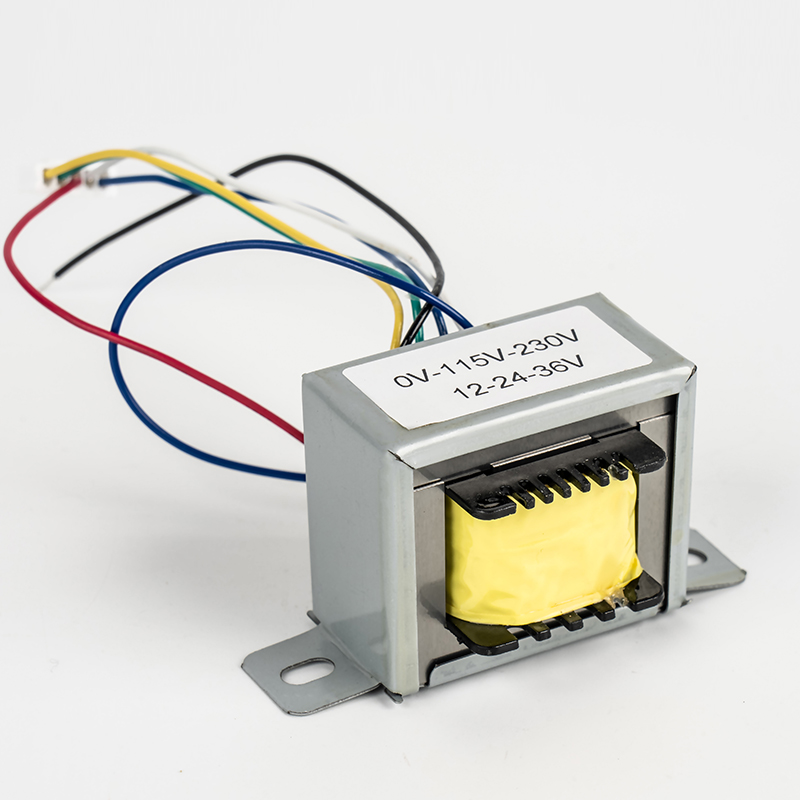
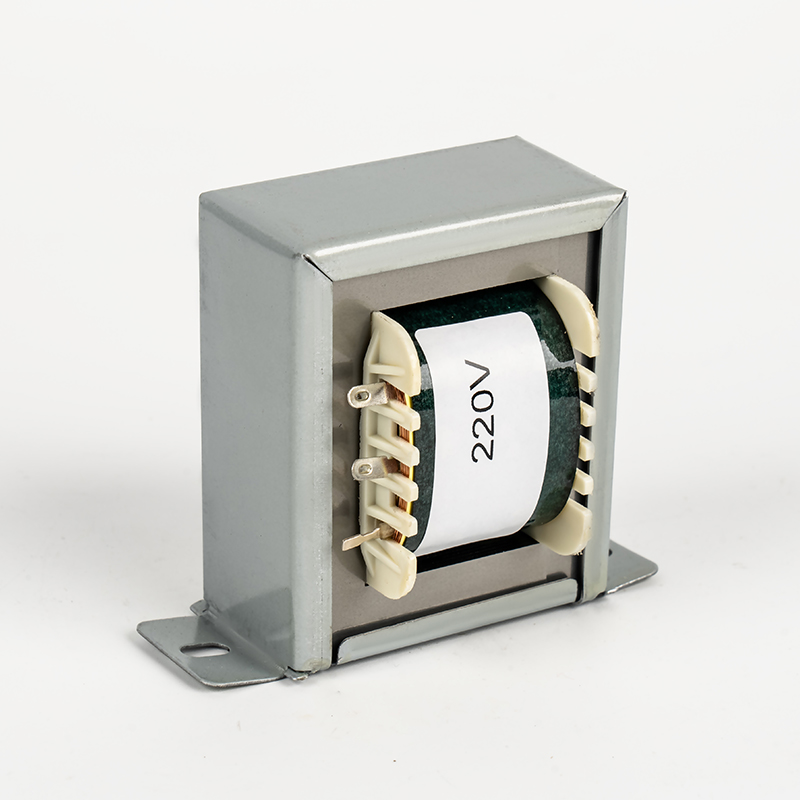
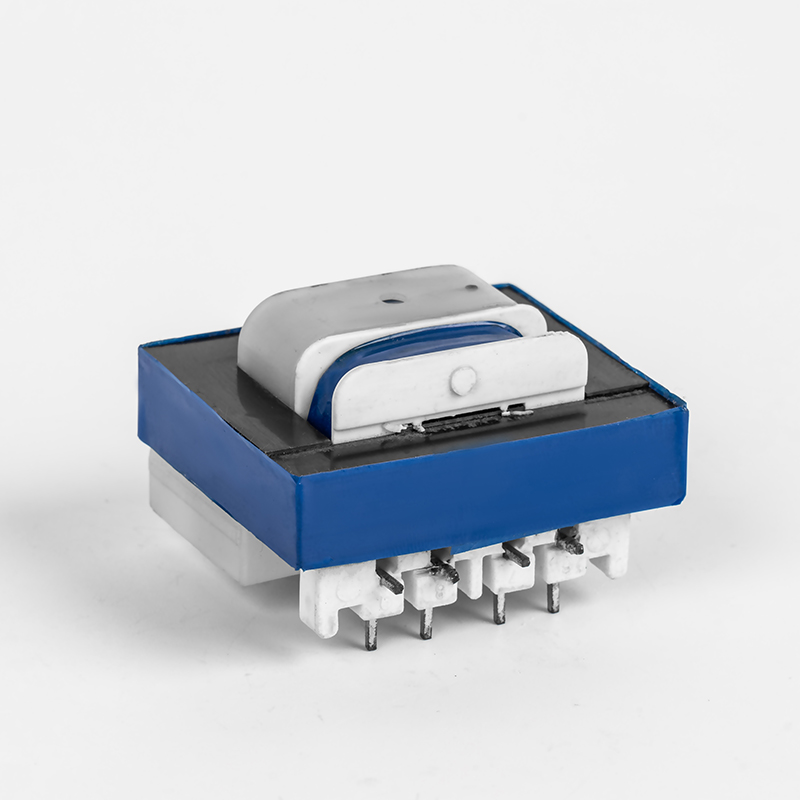
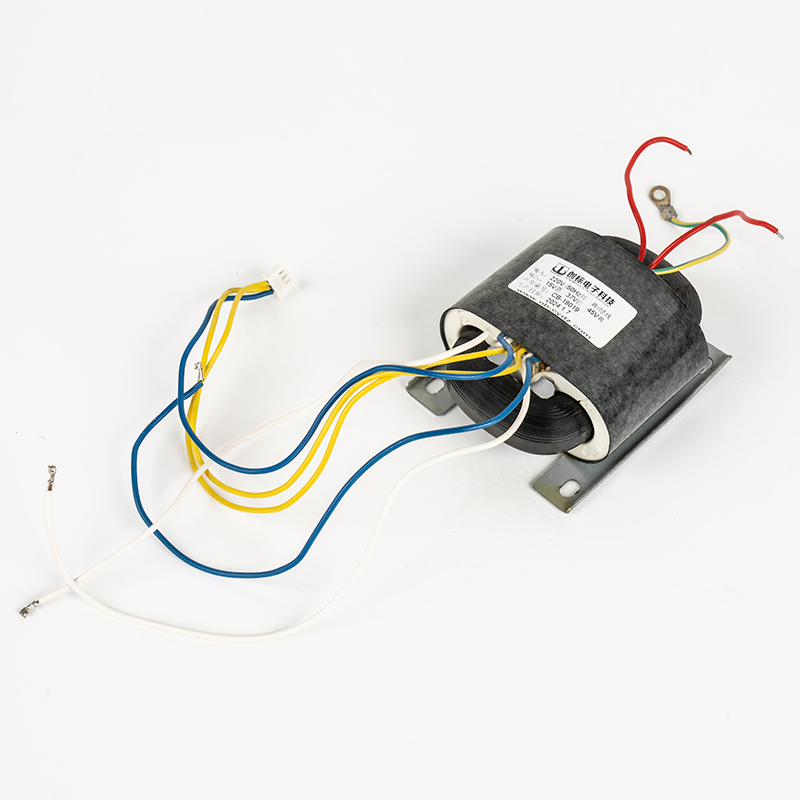
High current transformers are part of a broader family of low-frequency transformers used across industrial, commercial, and utility applications. Related products include EI transformers, square transformers, toroidal transformers, isolation transformers, BK control transformers, and high frequency transformers. Each variant serves specific voltage conversion, isolation, or control functions within electrical infrastructure.
Manufacturing facilities specializing in low-frequency transformers typically produce the full range of these products, offering integrated solutions from design and procurement through manufacturing, quality assurance, and customer service.


Welcome To CHUANGBIAO
Address : No.420-3, Sanbei East Road, Guanhaiwei Industrial Zone, Cixi City, Ningbo, Zhejiang, China
Contact
- Tel: +86 186 6825 0703
- Email: linjian@nbcbdz.com
About us
Products
Copyright © Ningbo Chuangbiao Electronic Technology Co., Ltd.
All Rights Reserved. EI Transformer Manufacturer


