
 English
 中文简体
中文简体What are the signs of a failing transformer?
2026-07-10
Content
- 1 Warning Signs You Can Hear and Smell
- 2 Visual and Physical Damage to Watch For
- 3 Electrical Performance Signs of a Failing Transformer
- 4 Why Core Type and Build Quality Affect Failure Rates
- 5 Explore Our Transformer Product Range
- 6 Testing and Inspection Schedule to Catch Problems Early
- 7 Repair or Replace: Choosing a Reliable Transformer Factory
A failing transformer usually gives warning before it fails completely: unusual humming or buzzing above normal operating levels, a burning or fishy odor from overheated insulation, visible scorch marks or bulging on the casing, unstable output voltage, frequent breaker trips, and rust or oil seepage around the housing. Any one of these signs on its own may not mean immediate failure, but two or more occurring together usually means the unit needs inspection within days, not months. The rest of this guide breaks down each category of warning sign, explains what causes it, and shows how transformer build quality affects how often these problems happen in the first place.
Warning Signs You Can Hear and Smell
Sound and smell are usually the first clues an operator notices, long before a meter shows anything abnormal. A healthy low frequency transformer running at 50 or 60 Hz produces a steady, low hum in the range of roughly 40 to 50 decibels, similar to a quiet office. When that hum grows louder, changes pitch, or starts to sound like a rattle or crackle, it often points to loosening laminations in an EI transformer core, a loose winding, or the early stages of insulation breakdown between layers.
A burning smell is a more urgent signal. Insulating varnish and paper insulation begin to degrade once the internal hot-spot temperature climbs past roughly 140 degrees Celsius, and that degradation gives off a distinct hot, slightly sweet or acrid odor before any smoke is visible. Under the well-known Montsinger rule used in transformer engineering, every 6 to 8 degree rise in operating temperature above the rated value can cut the expected insulation life in half. That is why a persistent hot smell, even without visible damage, is treated as a serious warning rather than something to monitor casually.
| Signal | Likely Cause | Recommended Action |
| Loud buzzing or rattling | Loose core laminations or windings | Schedule mechanical inspection |
| Hissing or crackling | Partial discharge, insulation breakdown | Insulation resistance test |
| Burning or hot plastic smell | Overheated windings or varnish | Thermal scan, reduce load |
| Fishy or sour odor (oil-filled units) | Overheated transformer oil | Oil sampling and dielectric test |
Visual and Physical Damage to Watch For
Physical inspection catches problems that sound and smell might miss, especially in units mounted in cabinets or enclosed panels. Discoloration on the casing, particularly a brownish or yellowish tint near the top of the housing, usually indicates prolonged overheating even if the unit has since cooled down. Bulging or warping of the outer shell is a stronger warning, since it typically means internal pressure built up from gas generated by overheated insulation.
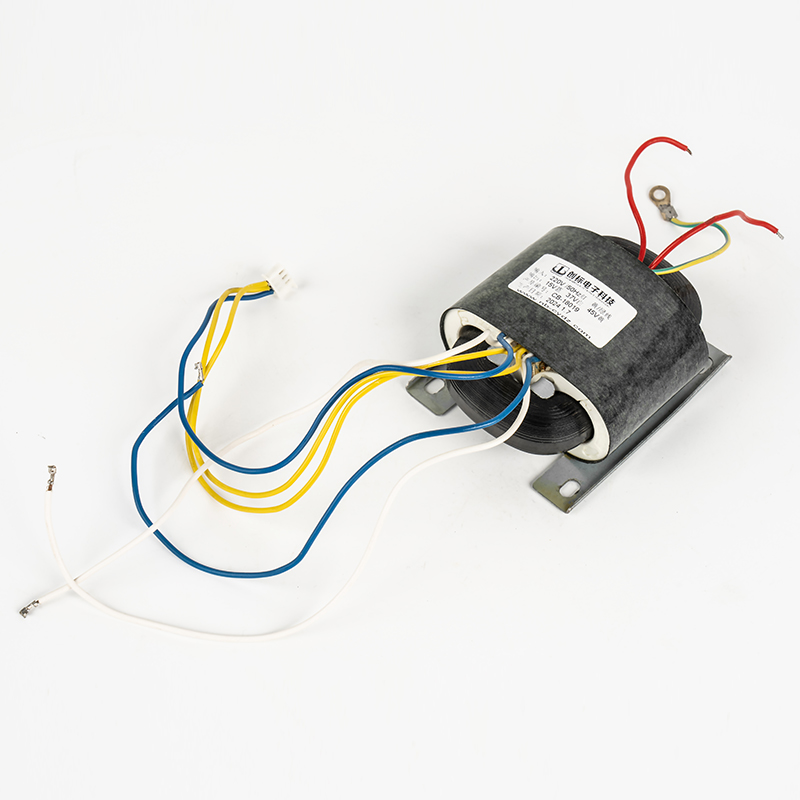
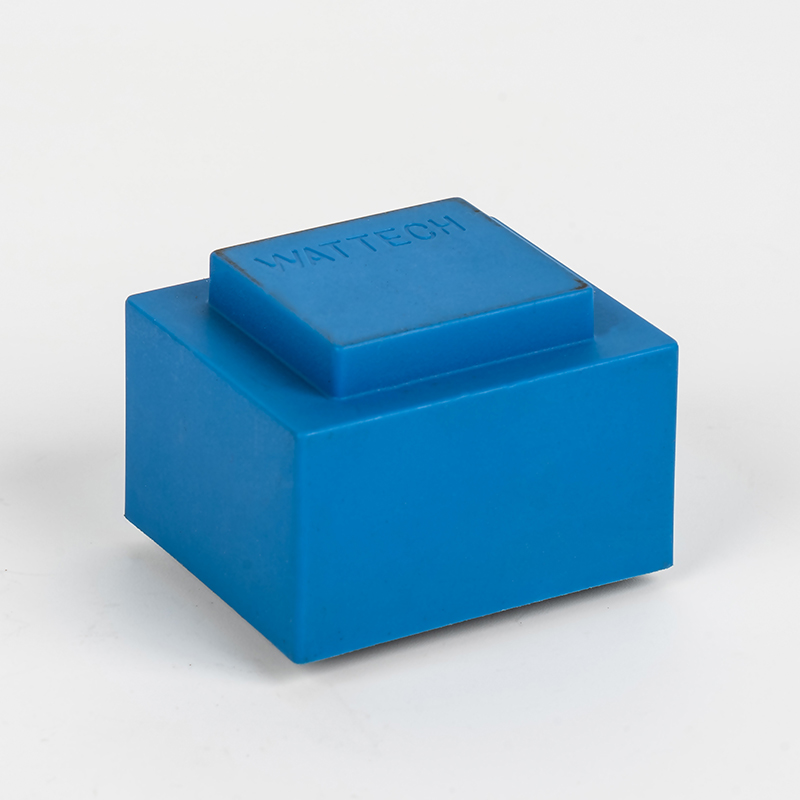
For encapsulated units such as a toroidal transformer or a small control transformer used in industrial panels, cracking of the resin coating is worth checking closely, since it exposes the windings to moisture and dust. On larger units, rust around mounting brackets or terminal connections often points to long-term moisture exposure, which gradually lowers insulation resistance even if the transformer still appears to work normally. Oil-filled equipment adds another layer of visual checks, including oil stains on the tank, low oil level in the sight glass, or a shift in oil color from clear amber to dark brown, which signals oxidation and reduced dielectric strength.
Electrical Performance Signs of a Failing Transformer
Electrical readings are the most reliable way to confirm a suspicion raised by noise or visual inspection. A transformer in good condition should hold its output voltage within about plus or minus 5 percent of the rated value under normal load. When output starts drifting outside that band, especially under light load, it often points to shorted turns within the winding or a failing isolation transformer barrier between primary and secondary coils.
Insulation resistance testing is the standard diagnostic here. A commonly used industry benchmark is 1 megohm of insulation resistance per kilovolt of operating voltage, with a minimum of around 1 megohm regardless of voltage class for low voltage control circuits. Readings that fall well below this threshold, or that drop quickly during a timed test, indicate moisture ingress or insulation aging. Other electrical red flags include frequent nuisance tripping of the connected breaker, a measurable temperature rise of more than 10 to 15 degrees Celsius above ambient at the casing surface during normal operation, and an increase in no-load current draw compared to the nameplate rating, which suggests core losses have increased due to lamination damage.
Why Core Type and Build Quality Affect Failure Rates
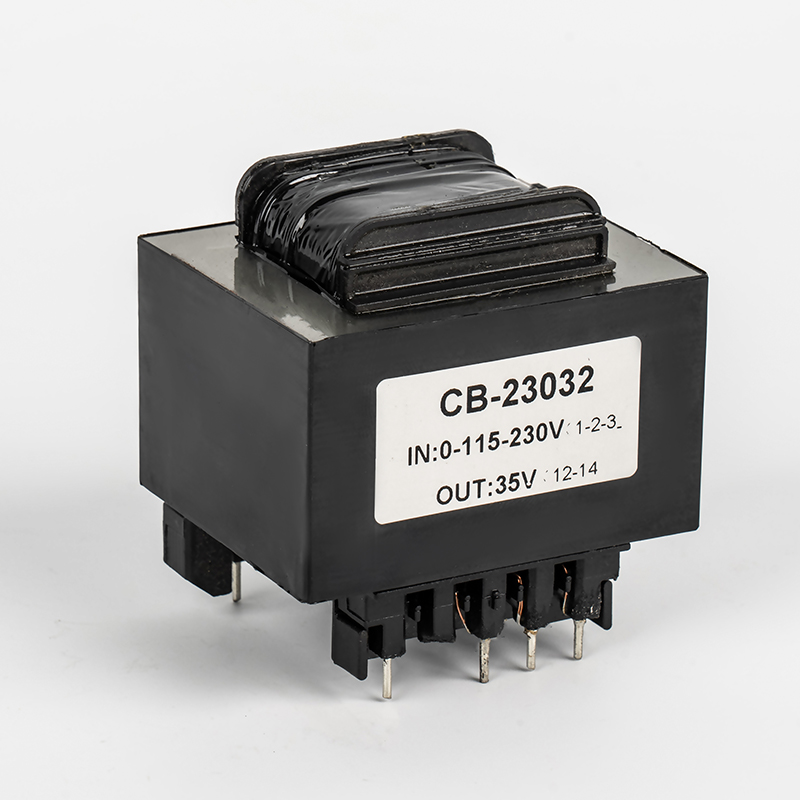
Not every transformer design fails the same way or at the same rate, and this is where sourcing from a well-run low-frequency transformer factory or EI transformer factory actually matters for long-term reliability. An EI transformer, built from stacked E and I shaped laminations, is rugged and handles high current well, but it produces more mechanical vibration and audible noise as it ages compared to a toroidal design, so buzzing tends to appear earlier as a warning sign. A toroidal transformer, wound on a circular core, runs quieter and cooler under normal conditions, so any new noise or heat is often a clearer signal that something has actually changed internally.
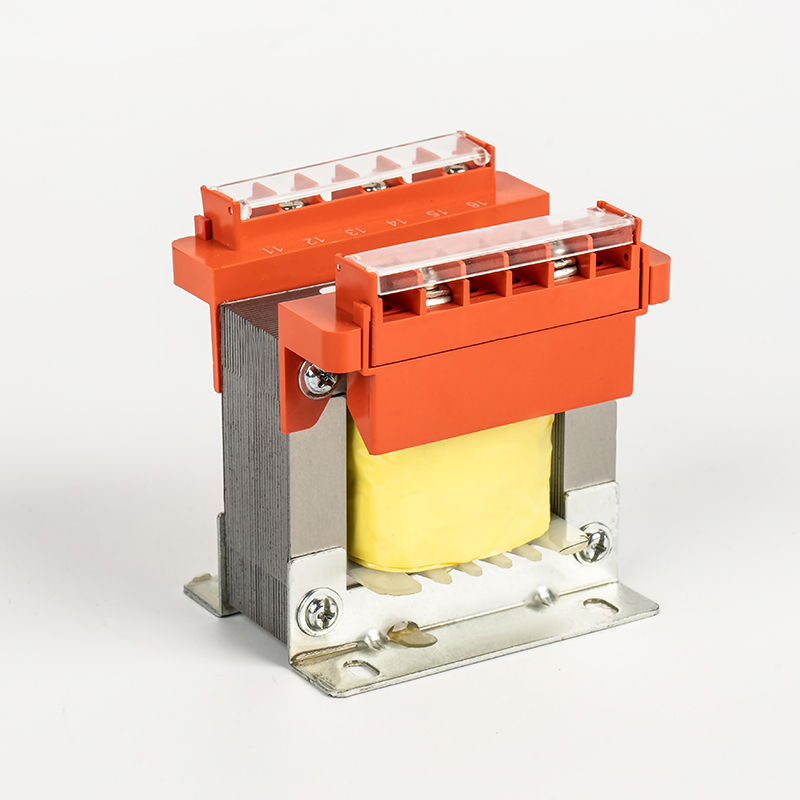
A BK transformer or general control transformer used in automation panels is typically exposed to frequent load switching, so load regulation quality from the manufacturer directly affects how often voltage instability shows up as a symptom. Units built with tighter tolerance windings, proper vacuum impregnation, and materials that meet ROHS and ISO 9001 requirements tend to show fewer early-life failures, since consistent manufacturing reduces the internal weak points that later turn into the warning signs described above. This is also why a Square transformer factory or Bk Control Transformer factory that documents multiple test stages before shipping tends to produce units with a more predictable failure timeline, which makes preventive maintenance planning far more reliable.
Explore Our Transformer Product Range
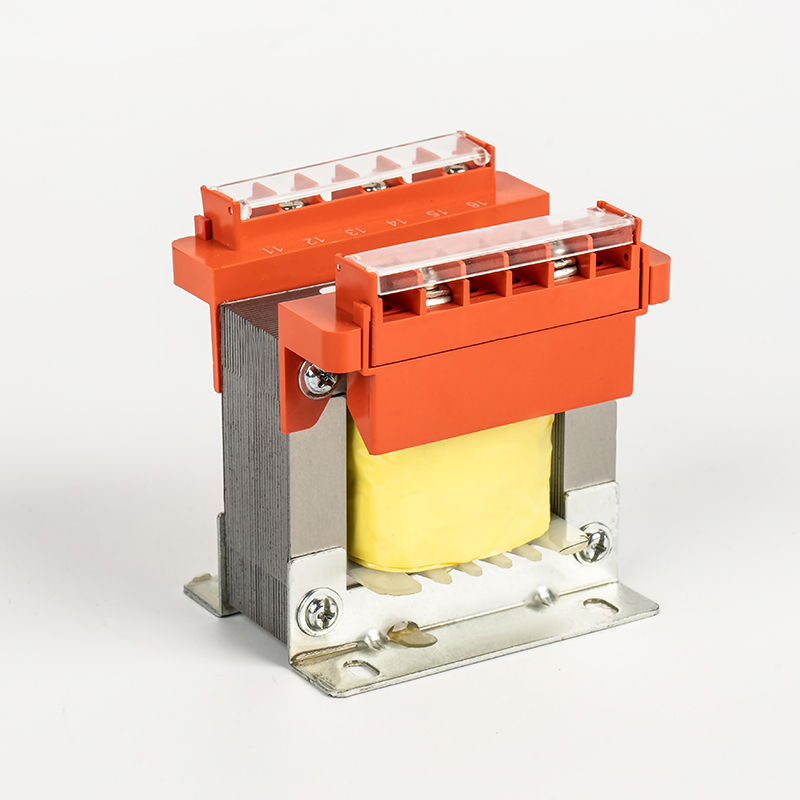
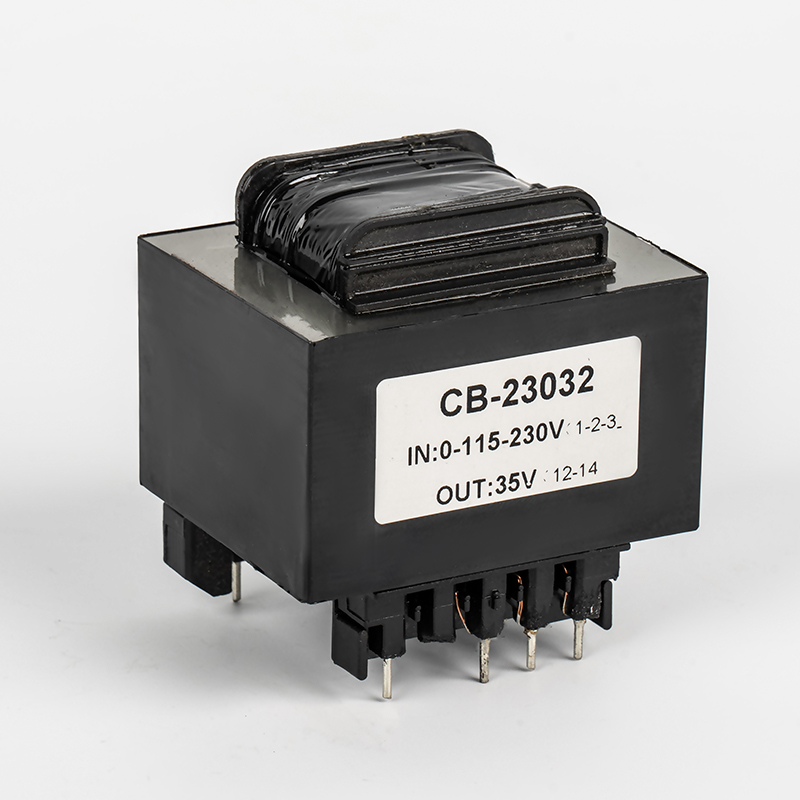
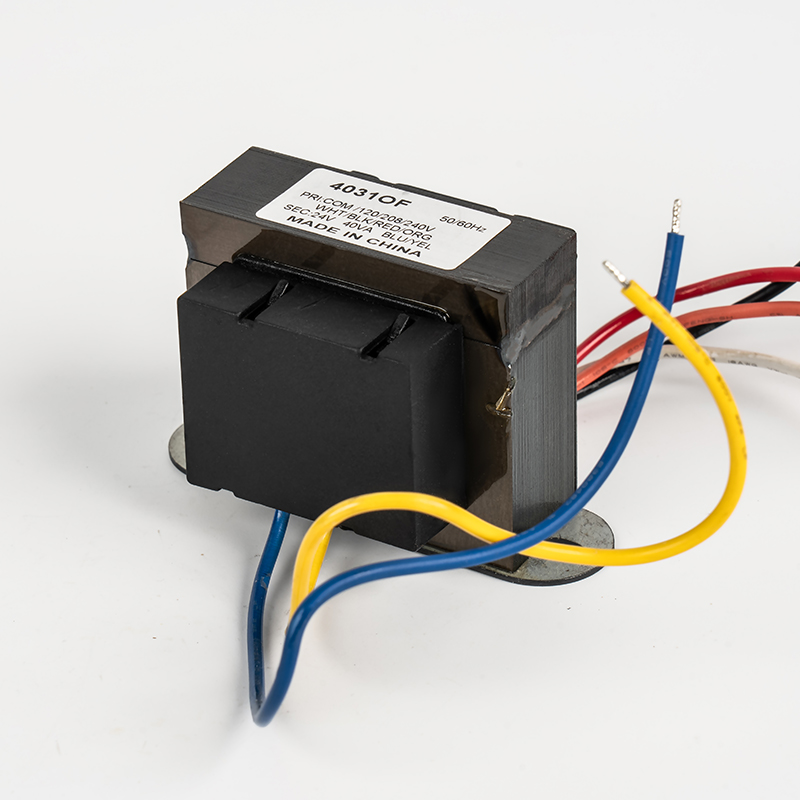
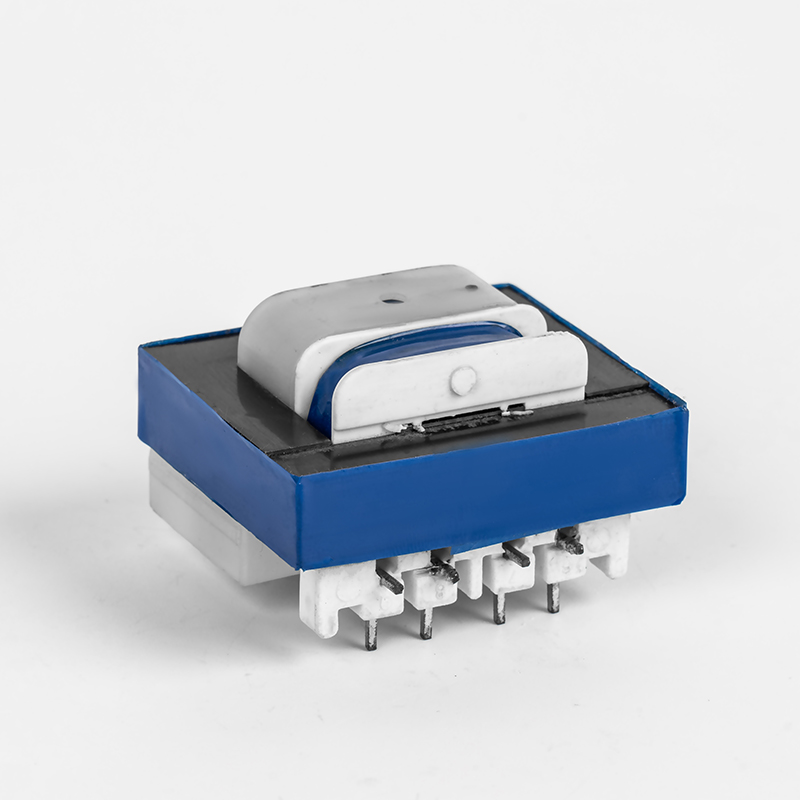
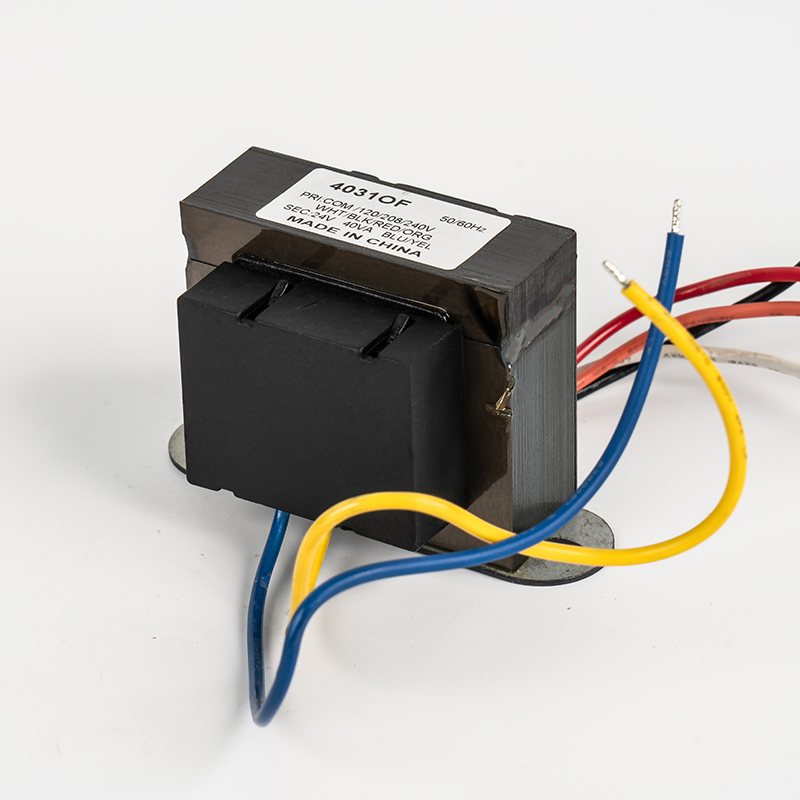
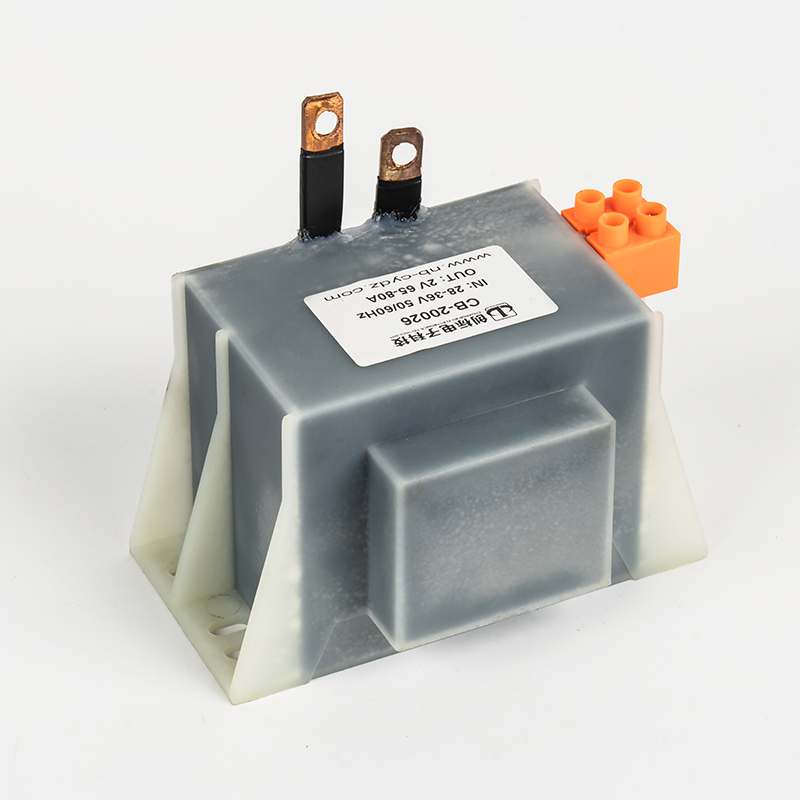
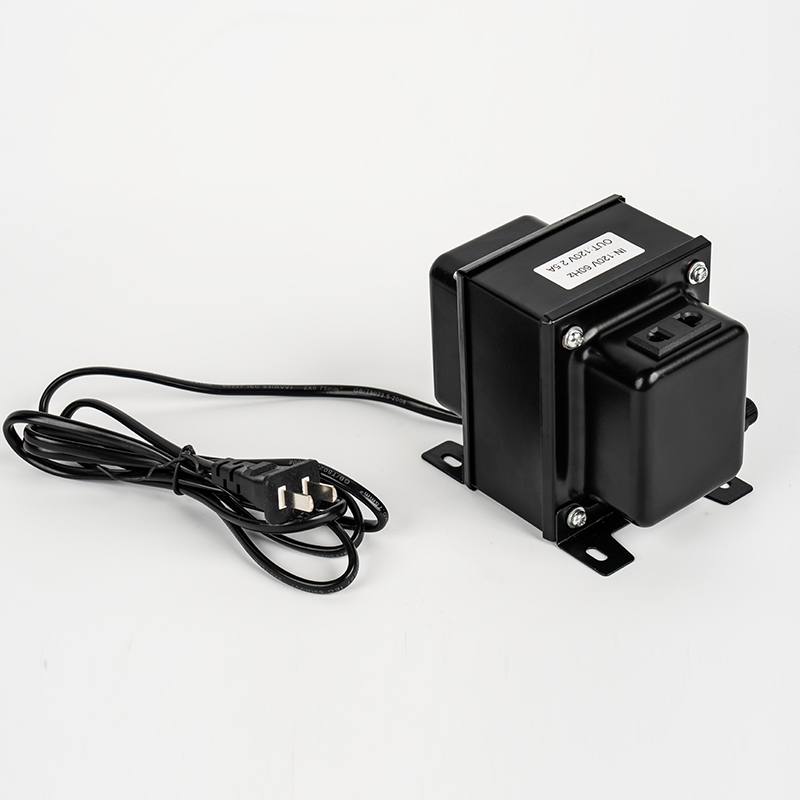
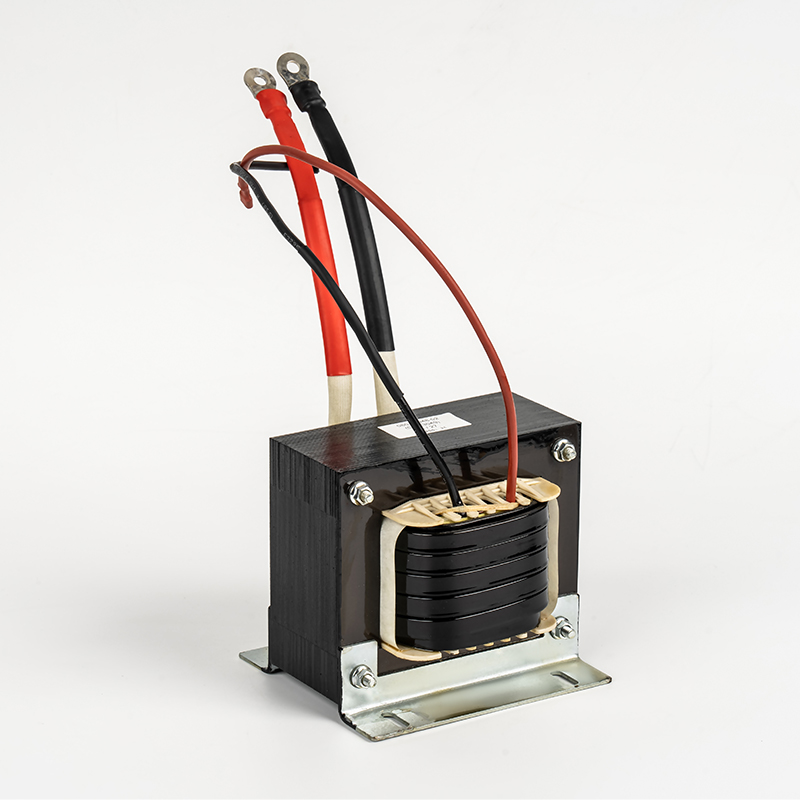
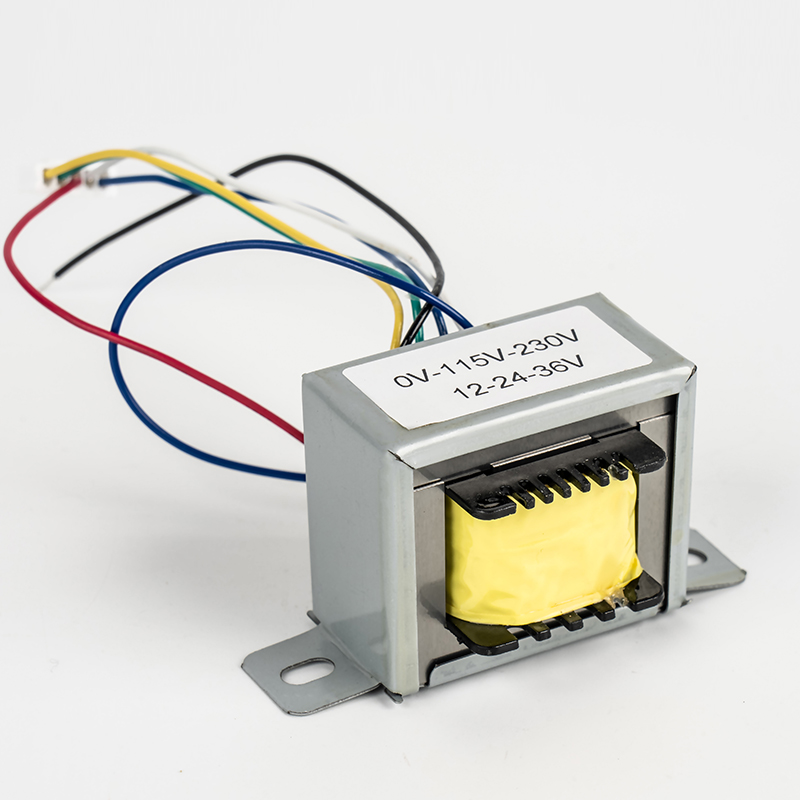
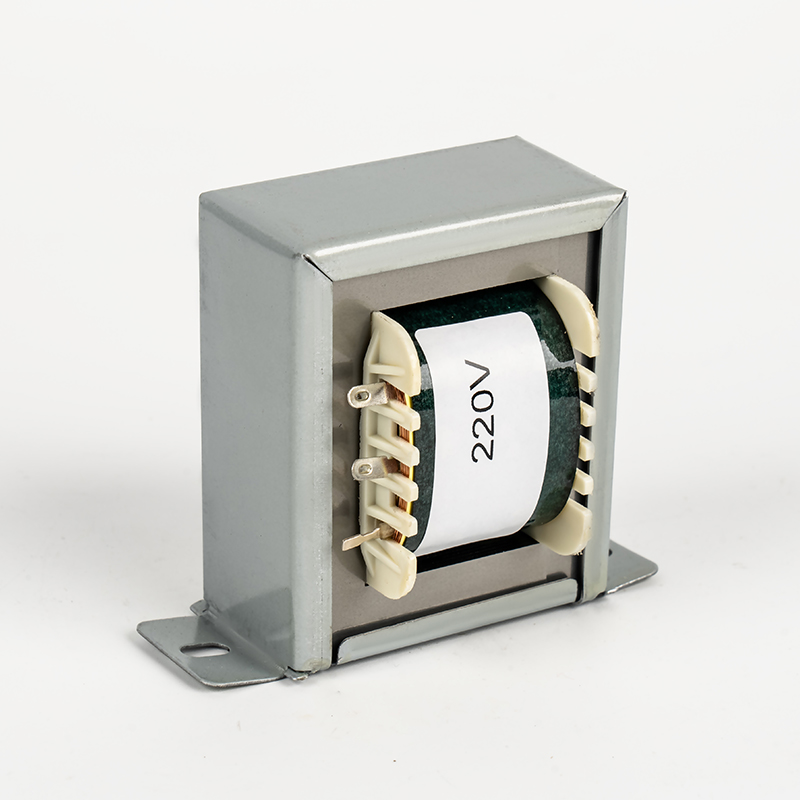
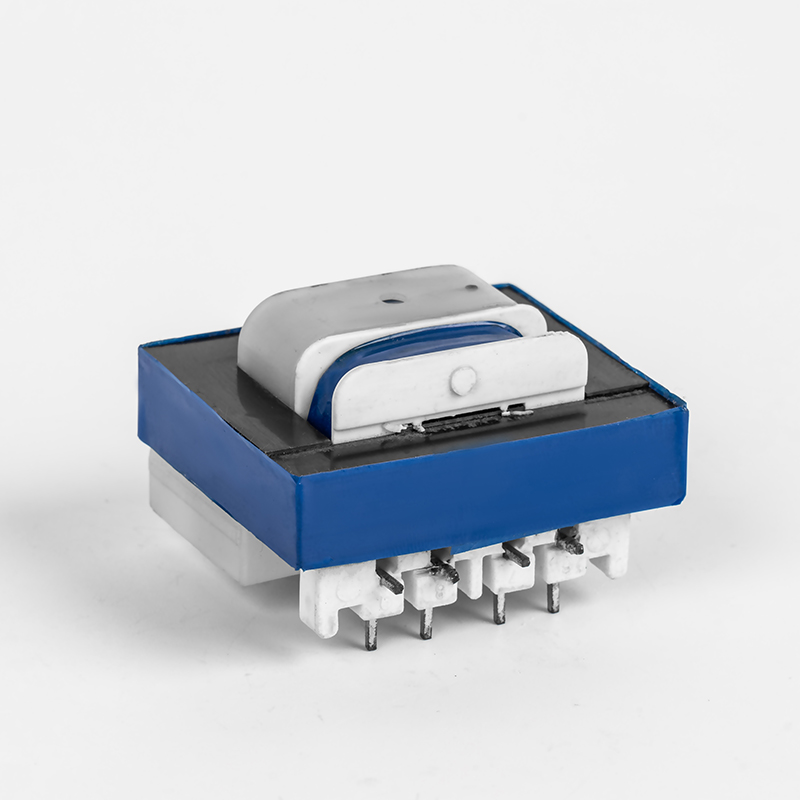
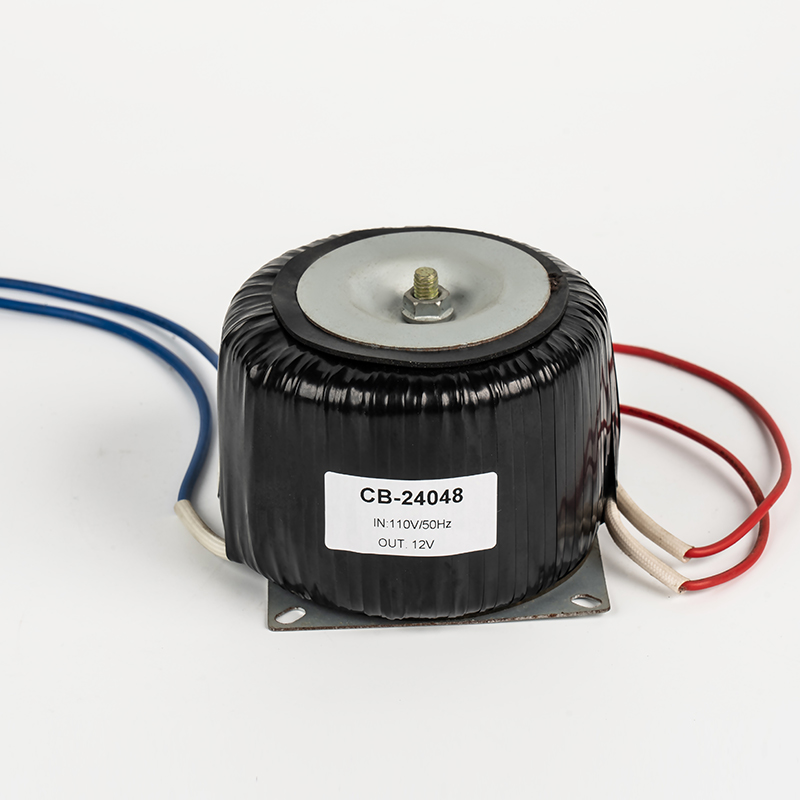
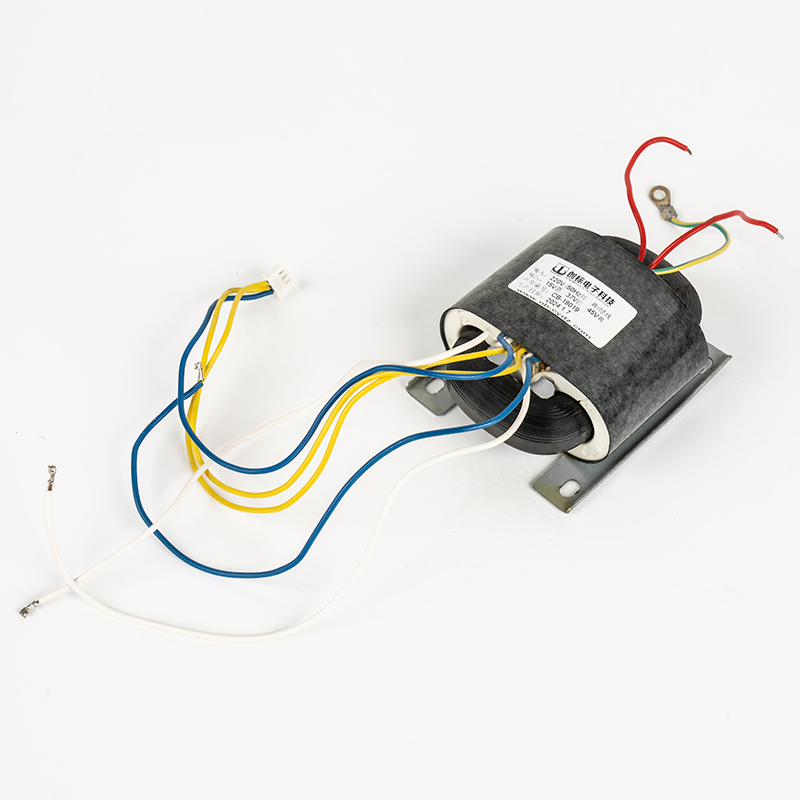
Choosing the right transformer type from the start reduces the chance of premature failure. Below are core products from our low frequency and control transformer lineup, each built to consistent quality standards for industrial and electronic applications.
Testing and Inspection Schedule to Catch Problems Early
Most transformer failures are preventable when inspection happens on a fixed schedule rather than only after a symptom appears. For industrial control transformers and low frequency units running continuously, a quarterly visual and thermal check combined with an annual insulation resistance test catches the majority of developing faults before they cause downtime. High duty-cycle applications, such as welding transformers or units feeding automated production lines, benefit from a shorter interval since load cycling accelerates wear on windings and connections.
| Application Type | Visual and Thermal Check | Insulation Resistance Test |
| Standard control transformer, steady load | Every 3 months | Every 12 months |
| High-cycle industrial automation unit | Every month | Every 6 months |
| Oil-filled or high-current unit | Every month | Every 6 months plus annual oil test |
Repair or Replace: Choosing a Reliable Transformer Factory
Once a transformer shows two or more of the signs covered above, the decision usually comes down to cost of repair versus remaining service life. Minor issues, such as a loose terminal connection or a mildly elevated no-load current, are often worth repairing. Widespread insulation breakdown, a cracked resin shell on a toroidal isolation transformer, or repeated overheating despite correct loading generally point toward replacement, since the underlying insulation has already lost a large share of its expected life.
When replacing a unit, sourcing from an established transformer factory that documents ISO 9001 and ROHS compliance, uses CNC-controlled winding processes, and performs multi-stage testing before shipment reduces the odds of repeating the same failure pattern. Whether the requirement is a high frequency transformer factory for compact switching applications or a low-frequency transformer factory for heavy industrial control panels, consistent manufacturing quality remains the single biggest factor in how long a replacement unit will actually last before showing these same warning signs again.


Welcome To CHUANGBIAO
Address : No.420-3, Sanbei East Road, Guanhaiwei Industrial Zone, Cixi City, Ningbo, Zhejiang, China
Contact
- Tel: +86 186 6825 0703
- Email: linjian@nbcbdz.com
About us
Products
Copyright © Ningbo Chuangbiao Electronic Technology Co., Ltd.
All Rights Reserved. EI Transformer Manufacturer


