
 English
 中文简体
Transformer OEM ODM Customization Guide: Specs, Testing, and Sourcing for Buyers
2026-11-20
Content
- 1 OEM or ODM? Decide Before You Request a Quote
- 2 The Specification Is the Real Customization Tool
- 3 Design Review: Turn Electrical Targets into a Buildable Part
- 4 Compliance and Testing: Verify the Claim, Not the Logo
- 5 Samples, Tooling, MOQ, and the True Unit Cost
- 6 Change Control and Supply Continuity
- 7 FAQ
A purchasing engineer sends a drawing of an EI transformer with a note: "Same as last year, but 10% smaller." The quote comes back lower, the samples arrive in three weeks, and the first production lot fails dielectric withstand because the smaller bobbin reduced creepage. The root cause is rarely the winding formula. In transformer OEM ODM customization, most costly failures start with undefined requirements, unstated tolerances, and unmanaged change. The practical conclusion: treat customization as a specification and qualification project, not a catalog search with a logo on the label.
OEM or ODM? Decide Before You Request a Quote
OEM and ODM are commercial models, not quality grades. In an OEM model, the buyer owns the drawing and electrical specification, and the transformer factory builds to that definition. In an ODM model, the factory starts from an existing platform and adapts core size, winding, bobbin, leads, or housing to fit the application. The technical qualification work is similar, but the ownership and change rights are not. Use a written customization process that states who owns the design, who approves changes, and what happens when a critical material is substituted.
| Decision area | OEM model | ODM model | What to control |
|---|---|---|---|
| Design ownership | Buyer drawing and specification prevail | Supplier platform is adapted to the application | Written IP and drawing ownership |
| Speed to sample | Usually slower because the design starts from requirements | Usually faster when the platform is close | Sample definition and approval criteria |
| Change flexibility | Changes follow buyer approval | Supplier may propose platform-level changes | Change notification and requalification rules |
| Best fit | Fixed electrical performance, safety scope, or branded product | Short development window with modest mechanical or winding changes | Total cost, not unit price alone |

Custom Transformers (OEM / ODM)
Send your drawing and electrical specification, or start from an existing platform and adapt the core, winding, bobbin, or leads. See how the customization process works.
View Customization Process →If the transformer is part of a safety-critical medical, industrial control, or high-voltage product, do not let "ODM" become shorthand for "we will figure out the standard later." The end-product standard should be known before the first sample is wound.
The Specification Is the Real Customization Tool
A datasheet that says "230 V to 24 V, 50 VA" is a starting point, not a custom specification. A useful transformer specification separates mandatory requirements from preferences and states how each item will be verified. At minimum, define:
- Input and output: voltage, frequency, phase, load profile, and allowable voltage tolerance.
- Power: continuous VA, short-term overload, duty cycle, ambient temperature, and cooling assumption.
- Insulation: class, dielectric test voltage, creepage and clearance, construction, and impregnation method.
- Magnetics: turns ratio, inductance, leakage inductance, no-load current, regulation, and inrush limit.
- Mechanical: envelope, mounting, lead length, termination, potting, weight limit, and orientation.
- Environment: temperature rise, humidity, altitude, vibration, ingress, and flammability requirements.
- Compliance: exact standard, mark or file requirement, test reports, and material declarations.
Vague targets create hidden cost. "High efficiency" means little without load, temperature, and measurement conditions. "Low noise" needs an acoustic limit and a distance. A 5% regulation target may conflict with a 10% no-load voltage rise, so state what the load actually needs. Tolerance stacking matters too: a bobbin that is 0.5 mm wider may solve creepage but fail the enclosure. Put the critical dimensions and electrical limits on the drawing, not in an email thread.
Design Review: Turn Electrical Targets into a Buildable Part
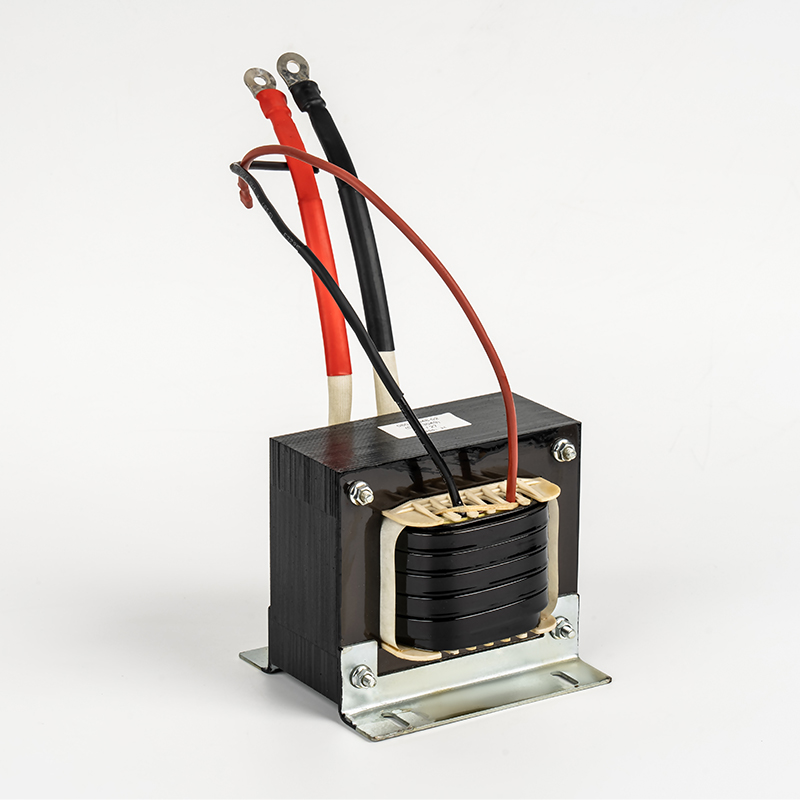
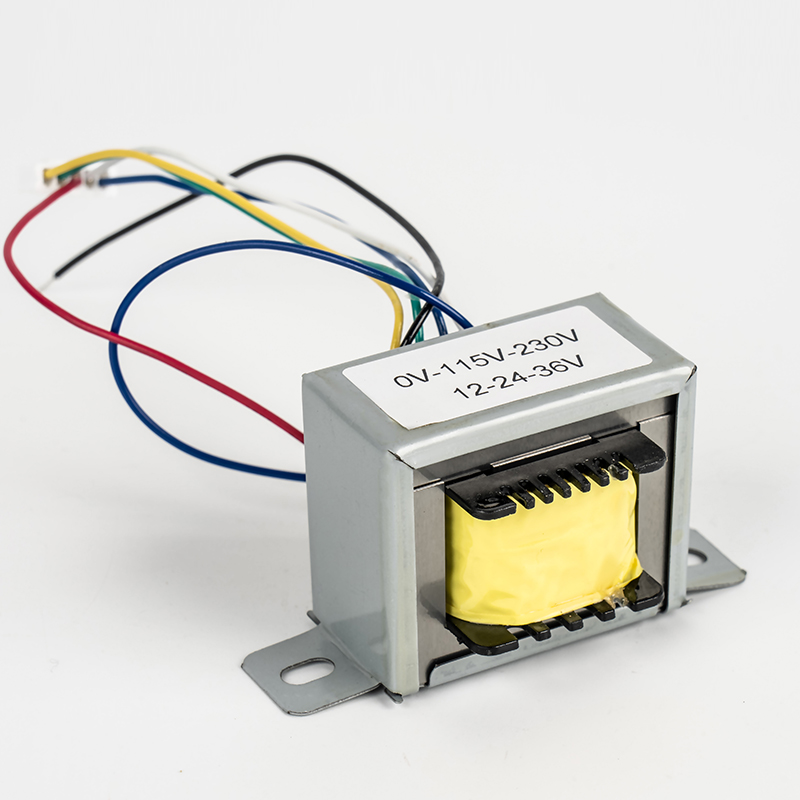
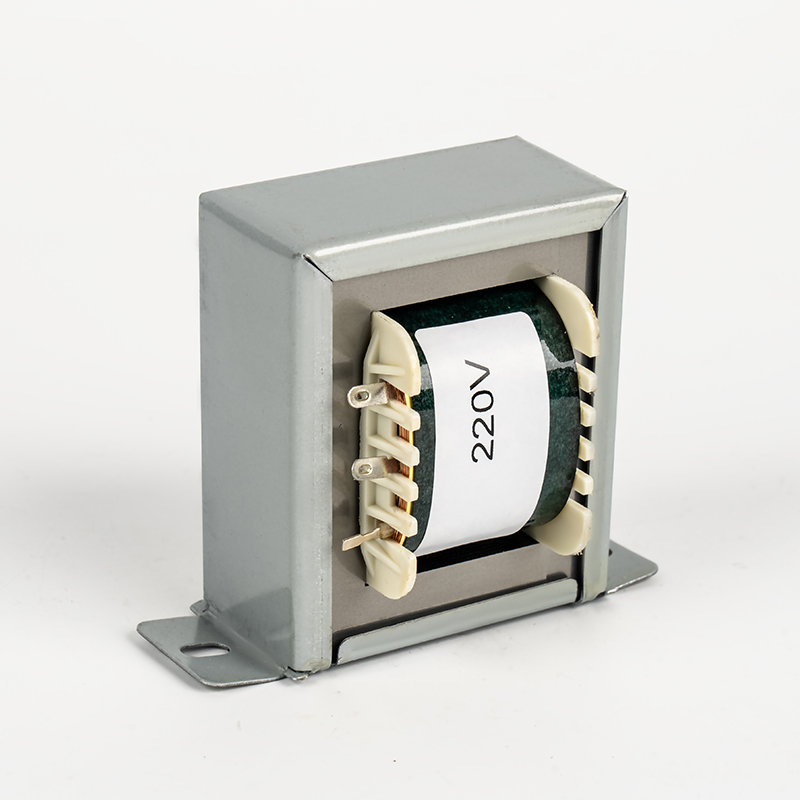
Once the specification is stable, ask for a design review before sample winding. The review should cover core selection, window fill, wire gauge, insulation margins, bobbin material, lead exit, varnish or potting, thermal path, mounting, and test access. Core choice is an application decision: EI laminations are common for line-frequency power and control transformers; toroidal cores can reduce stray field and size; C-cores suit certain high-power or compact designs; ferrite is typical for switch-mode and high-frequency work. For line-frequency designs, grain-oriented silicon steel is common; for high-frequency designs, core loss and winding loss must be balanced, not guessed.
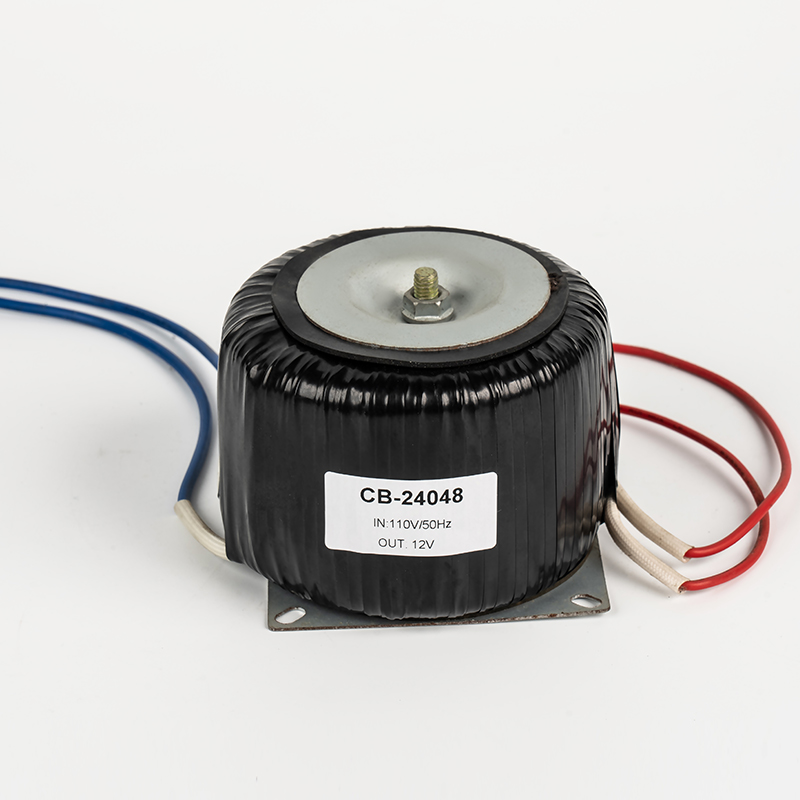
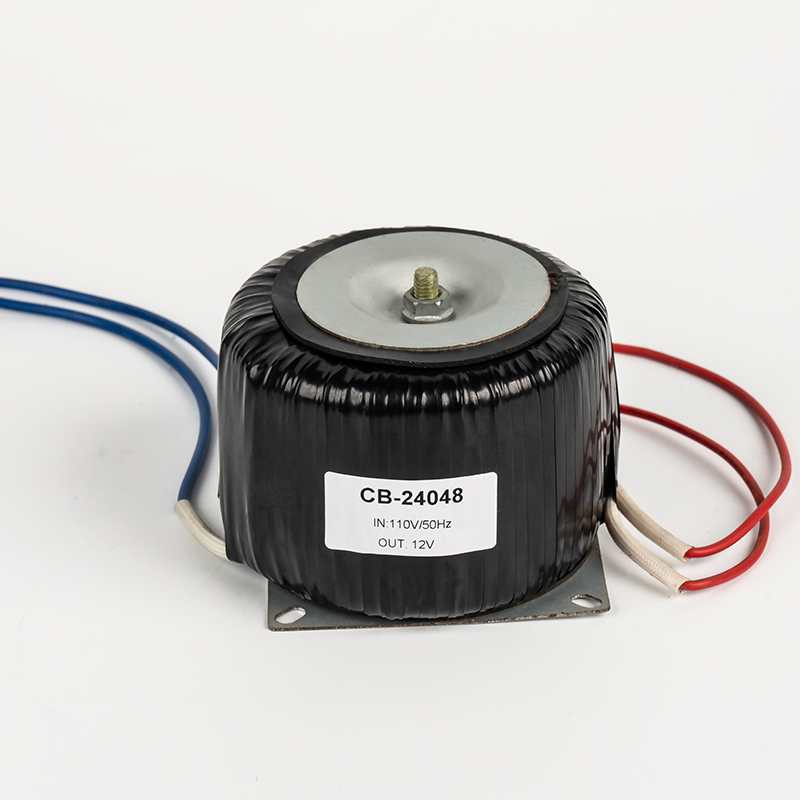
Toroidal Transformer
Toroidal construction can reduce stray field and size, a common choice when compact line-frequency power is needed.
View Product →Winding details deserve the same scrutiny. Layer insulation, creepage distance, margin tape, wire tension, and termination method affect both safety and yield. A design that is elegant on paper but difficult to wind will show up as high scrap, inconsistent inductance, or failed hipot. The factory should be able to explain how it will inspect the first article and how it will repeat the result in production. A partner with in-house design, procurement, manufacturing, quality assurance, and logistics can close that loop faster; the transformer manufacturing background on this site describes that chain and cites ISO 9001, CQC, and RoHS controls, which should be verified against current certificate scope and reports.
Compliance and Testing: Verify the Claim, Not the Logo
Compliance is a scope statement, not a logo. IEC/EN 61558, UL 5085, or the end-product standard may apply depending on the transformer type and application; medical designs often bring IEC 60601-1 requirements; high-voltage and industrial control designs add spacing, insulation, and partial-discharge questions. CE marking is a declaration based on applicable standards, not a substitute for a test report. RoHS covers restricted materials. ISO 9001 covers process control. Neither proves that a specific transformer meets a safety standard.
| Test | What it catches | Typical frequency |
|---|---|---|
| Turns ratio and polarity | Wrong winding direction, missing turns, incorrect tap | 100% production |
| DC resistance and inductance | Wrong wire gauge, poor termination, core or gap variation | 100% or lot sample |
| Dielectric withstand and insulation resistance | Creepage, insulation damage, moisture, assembly error | 100% production |
| No-load and load performance | Regulation, losses, heating, incorrect core stack | 100% or lot sample |
| Temperature rise | Insufficient copper, poor thermal path, underestimated load | Design type test |
| Acoustic noise or partial discharge | Loose laminations, winding movement, high-voltage defects | Design type test when specified |
Ask for the test equipment, calibration status, pass limits, and sample plan. A certificate without a test record is a claim without evidence.
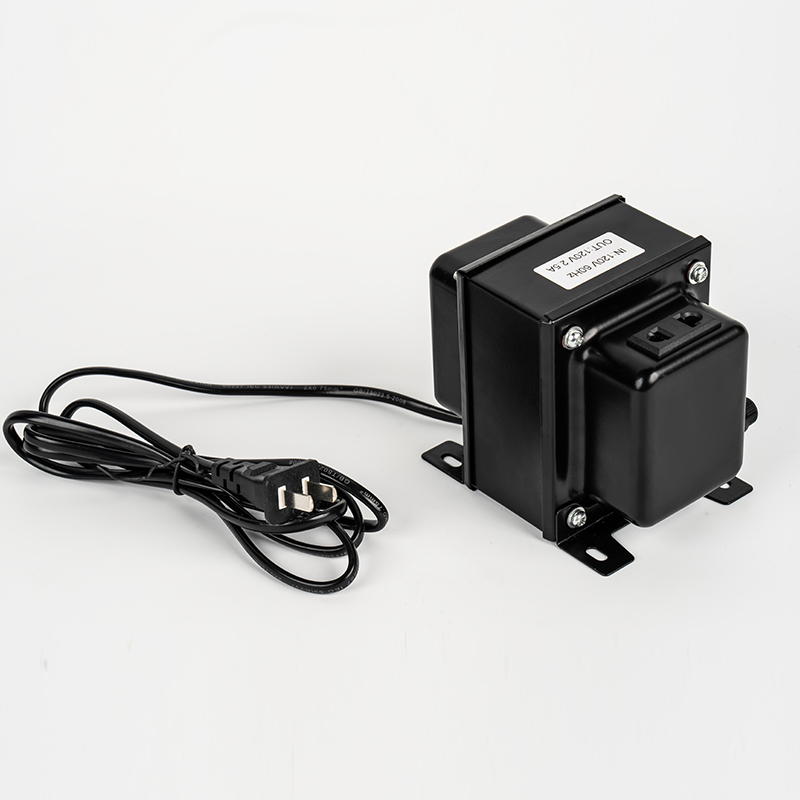
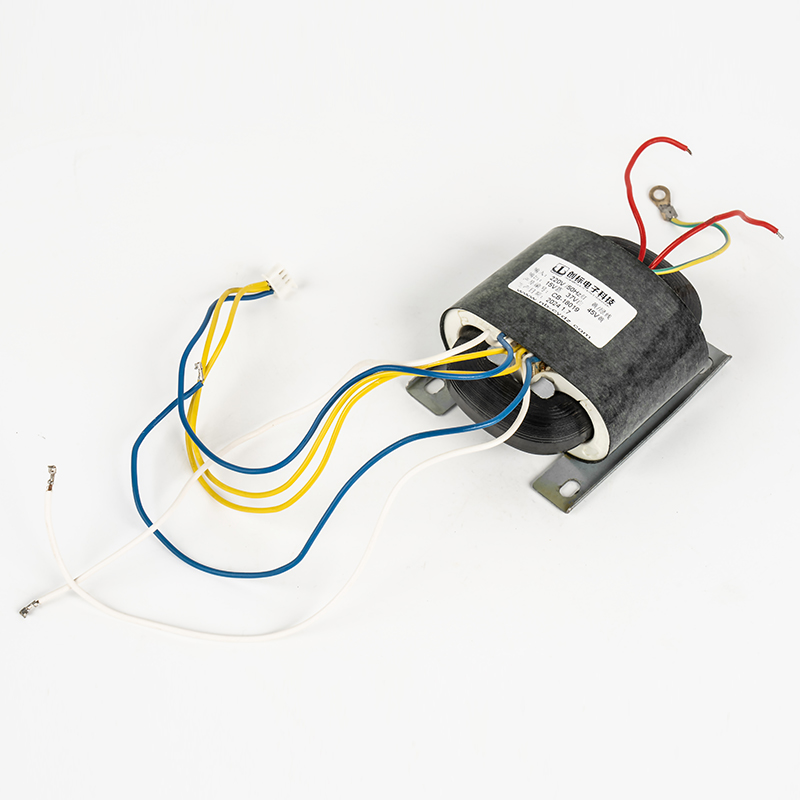
Isolation Transformer
Isolation designs put insulation, creepage, and dielectric withstand at the centre of the specification. Define the test voltage and standard before the first sample.
View Product →Samples, Tooling, MOQ, and the True Unit Cost
Custom transformer pricing has four buckets: design or non-recurring engineering, tooling, material, and test or yield. Tooling may include bobbins, lamination stamping dies, winding fixtures, or test fixtures. A toroidal winding change may need little tooling; a custom EI lamination or molded bobbin may need more. MOQ is driven by setup time, material purchase, and test cost, not by a arbitrary threshold. Price breaks usually follow coil or core purchase quantities.
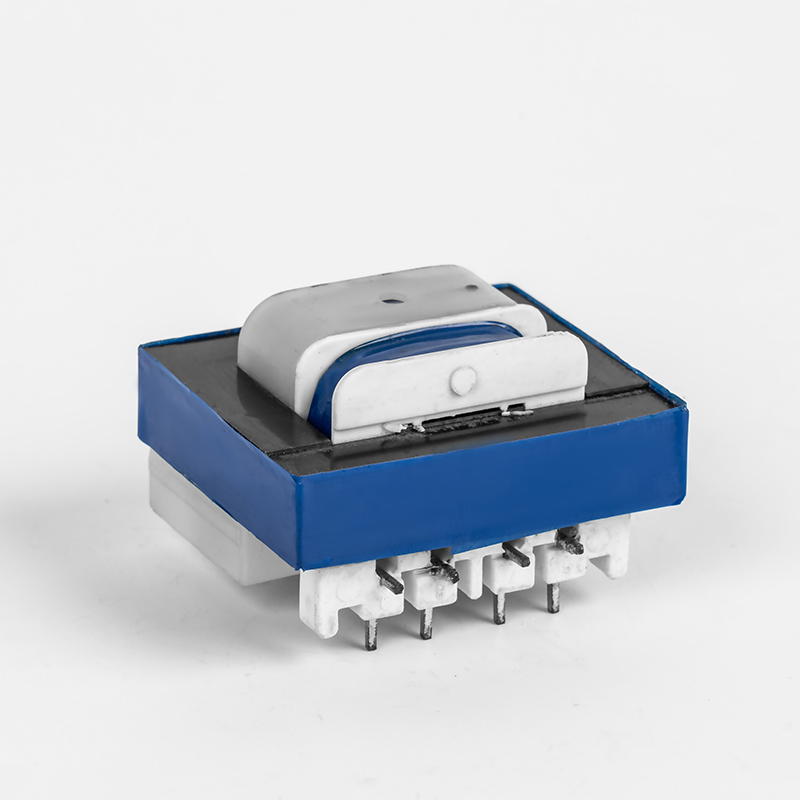
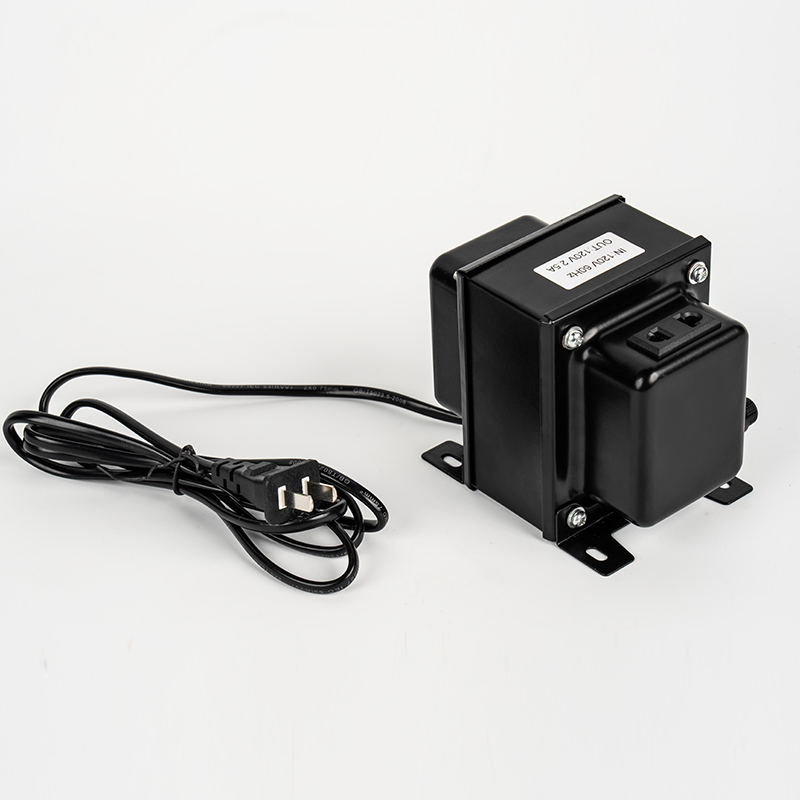
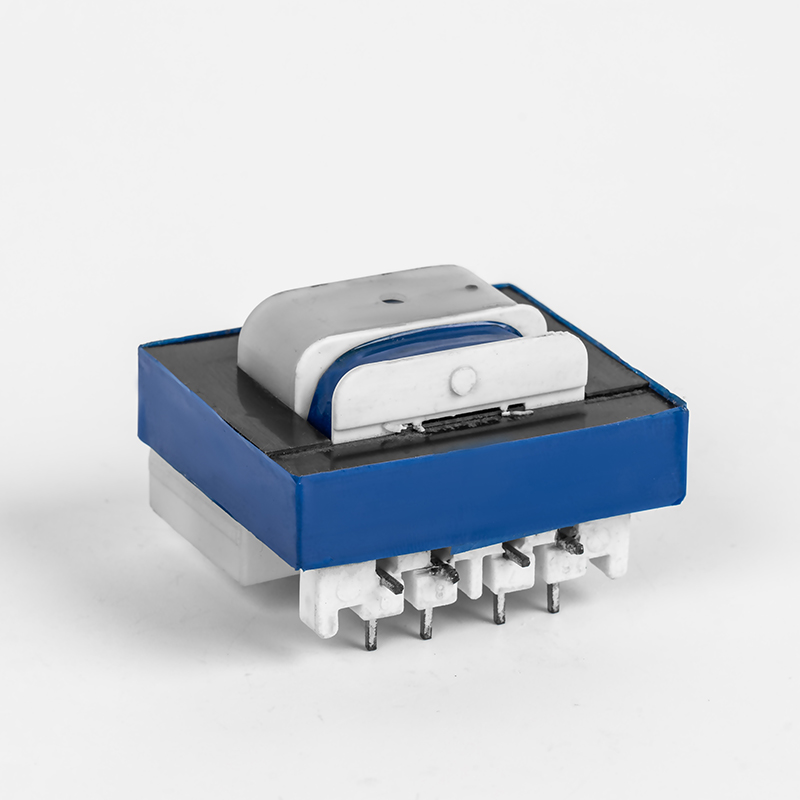
Electronic Transformer
Line-frequency transformer for electronic equipment. Custom laminations or bobbins may need tooling, so ask for the tooling assumption in the quote.
View Product →Cheap quotes often hide a material or test change: aluminum instead of copper, a lower insulation class, less varnish, a different core grade, or omitted routine tests. Those choices may pass a first sample and fail in the field. Approve at least a first-article inspection with dimensions, turns ratio, resistance, inductance, hipot, no-load and load data, plus material declarations where required. Keep a golden sample and the approved datasheet. If the application is regulated, ask for a control plan and change notification before production release.
Change Control and Supply Continuity
A custom transformer often lives for years, so continuity belongs in the sourcing decision. Any change in core supplier, wire source, varnish, bobbin resin, lamination grade, or winding program can affect safety, loss, noise, or fit. Require a product change notification, a requalification plan, and a clear approval route before shipment. Define traceability by date code or lot, storage conditions, and last-time-buy terms. If a second source is planned, qualify it against the same drawing and test limits, not against a visual comparison.
The best time to negotiate continuity is before the purchase order, when the specification is still open. After a line is qualified, a "small" material substitution can trigger a new safety evaluation and weeks of delay.
FAQ
What is the difference between OEM and ODM in transformer customization?
OEM means the buyer owns the drawing and specification, and the factory builds to it. ODM means the factory adapts an existing platform to the application. OEM usually gives tighter design control; ODM can shorten development when the platform is close. Both need written change control.
How many samples should I approve?
Approve production-representative samples, not hand-built lab units. Three to five samples with first-article test data is a practical starting point for many industrial projects. Keep one sealed golden sample and the approved drawing.
Which tests belong on a custom transformer datasheet?
At minimum, specify turns ratio, polarity, DC resistance, inductance, dielectric withstand, insulation resistance, no-load current, load regulation, and temperature rise. Add acoustic noise, partial discharge, or inrush limits when the application requires them.
Can an existing transformer be customized without new tooling?
Often yes, if the core, bobbin, and winding window allow the new rating. A voltage or lead-length change may need no tooling; a new lamination shape or molded bobbin usually does. Ask for the tooling assumption in the quote.
Before releasing a purchase order, confirm five points: the exact standard and test plan, the approved drawing with tolerances, the sample approval record, the change notification process, and the production test limits. If any answer is "we will confirm later," the transformer OEM ODM customization project is not ready for production. A disciplined front end costs less than a failed lot, and it gives the factory a clear target to build against.


Welcome To CHUANGBIAO
Address : No.420-3, Sanbei East Road, Guanhaiwei Industrial Zone, Cixi City, Ningbo, Zhejiang, China
Contact
- Tel: +86 186 6825 0703
- Email: linjian@nbcbdz.com
About us
Products
Copyright © Ningbo Chuangbiao Electronic Technology Co., Ltd.
All Rights Reserved. EI Transformer Manufacturer


