
 English
 中文简体
中文简体how to design a transformer?
2026-04-17
Content
Transformer Turns Ratio Calculation
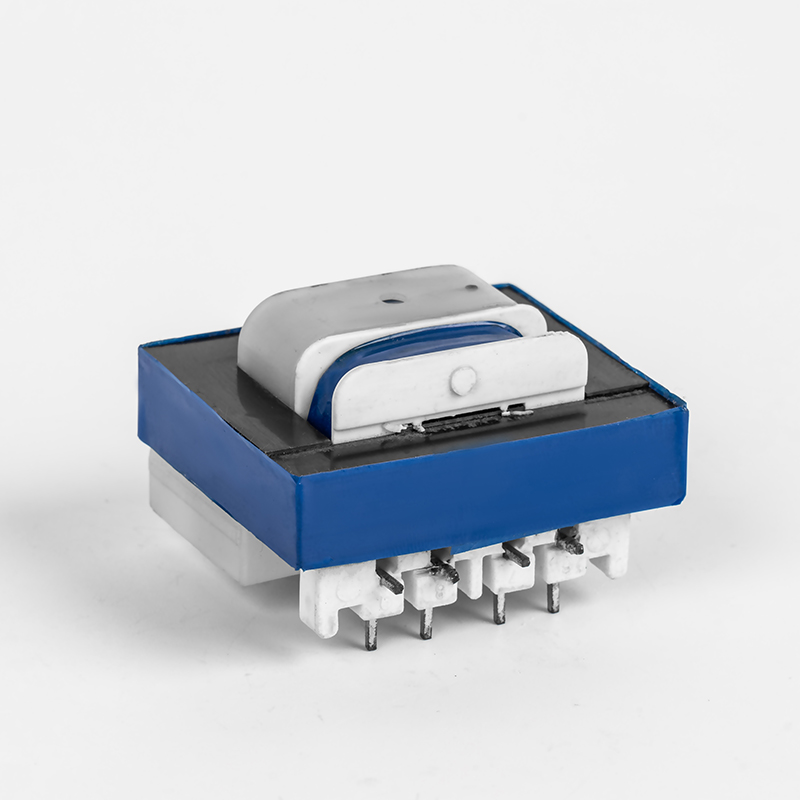
The turns ratio of a transformer is calculated using the fundamental relationship between primary and secondary voltages or currents. The turns ratio N equals the primary voltage divided by the secondary voltage (N = Vpri/Vsec), which is also equal to the secondary current divided by the primary current (N = Isec/Ipri). For ferrite core transformers used in high-frequency applications, the primary turns can be calculated using the formula: Npri = (Vin × 10^8) / (4 × f × Bmax × Ac), where Vin is input voltage, f is switching frequency, Bmax is maximum flux density (typically 1300-2000 Gauss), and Ac is the effective cross-sectional area of the core.
Practical Calculation Example
Consider a DC-DC converter design with the following parameters: Vin = 10.5V, Vout = 330V, f = 50 kHz, Bmax = 1500G, and Ac = 1.25 cm² (ETD39 core). The primary turns calculation yields: Npri = (10.5 × 10^8) / (4 × 50000 × 1500 × 1.25) = 3.2 turns, which rounds to 3 turns. The voltage ratio is 330/10.5 ≈ 31.4, so the secondary turns would be 3 × 32 = 96 turns, resulting in a turns ratio of approximately 32:1.
| Parameter | Symbol | Typical Range | Unit |
|---|---|---|---|
| Maximum Flux Density | Bmax | 1300 - 2000 | Gauss |
| Switching Frequency | f | 20 - 100 | kHz |
| Core Cross-Section | Ac | 0.5 - 2.5 | cm² |
| Secondary Current | Isec | 1 or 5 | A |
How Current Transformers Work
Current transformers (CTs) operate on Faraday's Law of Electromagnetic Induction. When alternating current flows through the primary conductor, it generates a time-varying magnetic field that induces a proportional current in the secondary winding. The fundamental relationship is I_primary / I_secondary = N_secondary / N_primary. For example, a 600:5 CT with 120 secondary turns and 1 primary turn produces exactly 5A secondary current when 600A flows through the primary.
Key Operating Principles
- Primary current creates magnetic flux in the core through the conductor (often single-turn)
- The magnetic core concentrates and guides flux to the secondary winding
- Changing flux induces EMF in the multi-turn secondary winding
- Secondary current flows through the connected burden (meter or relay)
- Standard secondary outputs are 5A or 1A for compatibility with instruments
Critical Safety Warning: Never open-circuit a CT secondary while the primary is energized. This can generate thousands of volts due to core saturation, creating electrocution hazards, insulation breakdown, and equipment damage. Always short secondary terminals during installation or maintenance.
Wound vs. Bar-Type Current Transformers
Wound-type CTs feature dedicated primary and secondary windings wound on a magnetic core, offering higher accuracy (Class 0.2-0.5) and flexibility in current ratio selection. Bar-type CTs use a solid conductor bar as the single-turn primary, providing superior mechanical strength for high-current applications and reduced flux leakage for accurate measurements, but at higher cost.
| Feature | Wound-Type CT | Bar-Type CT |
|---|---|---|
| Primary Construction | Multi-turn winding | Solid bar conductor |
| Accuracy Class | 0.2 - 0.5 (high) | 0.5 - 1.0 (very high) |
| Cost | Lower | Higher |
| Size | Larger | Compact |
| Best Application | Low current, precision metering | High current busbar systems (>25kV) |
Types of Transformers
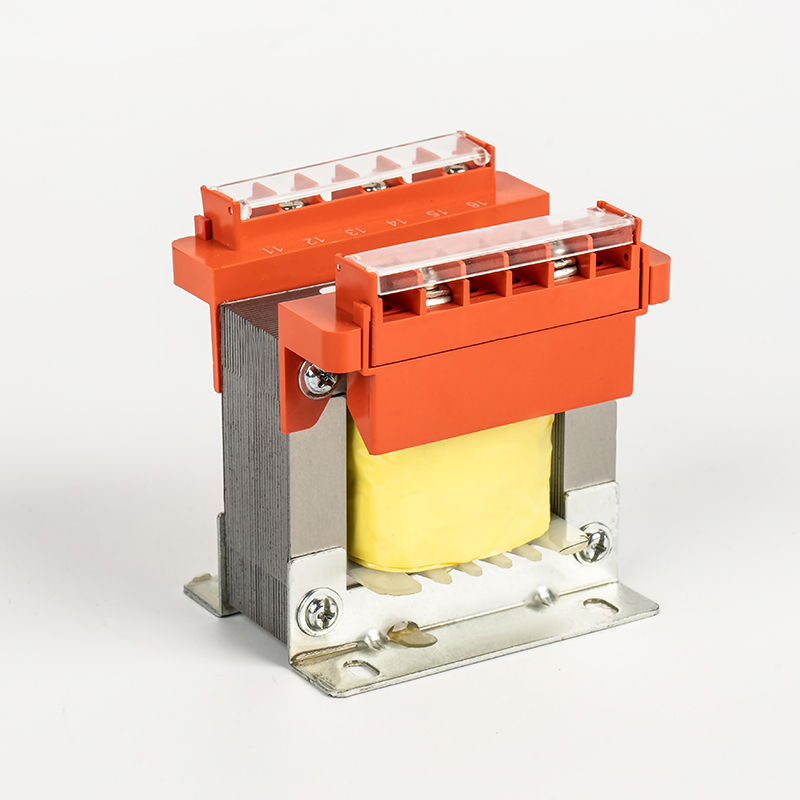
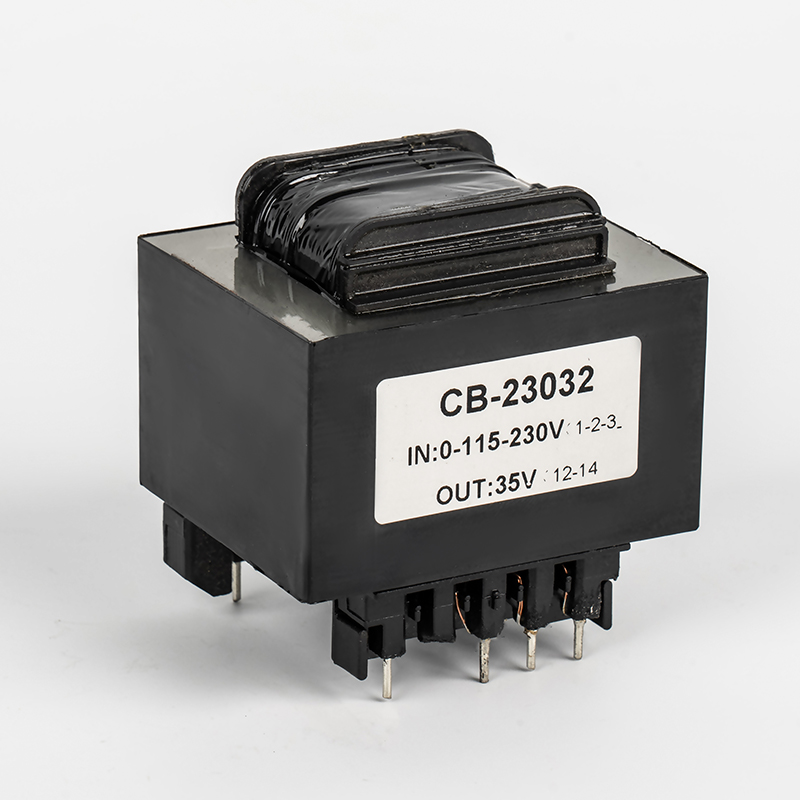
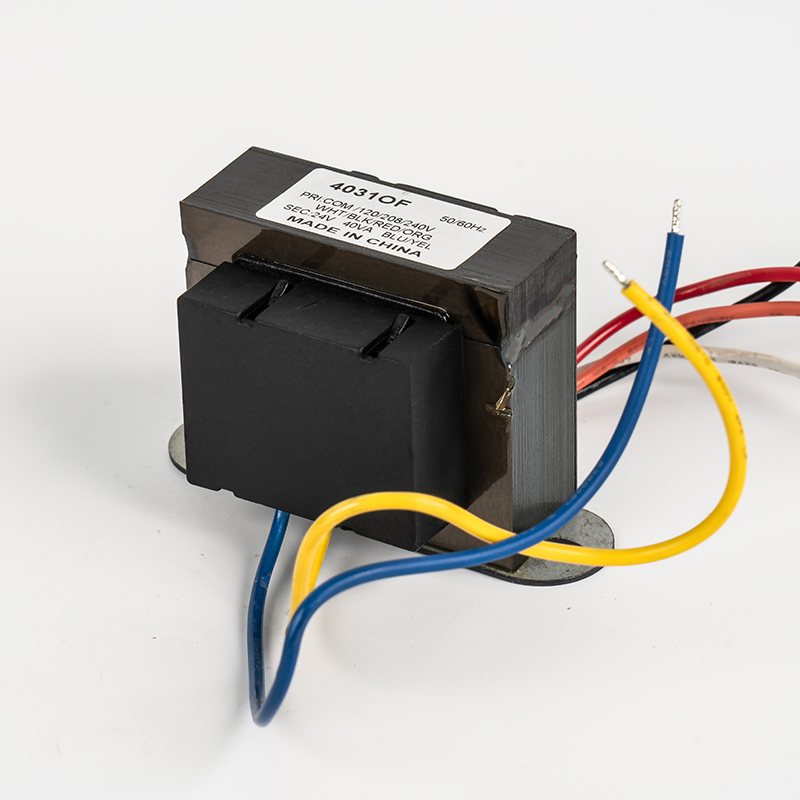
Transformers are categorized by construction, application, and core type. Power transformers are used in transmission systems (typically >33kV), while distribution transformers step down voltage for end users (11kV to 415V). Instrument transformers include current transformers (CTs) and voltage transformers (VTs) for measurement and protection.
By Construction
- Core-type: Windings surround the core limbs; common for high-voltage applications
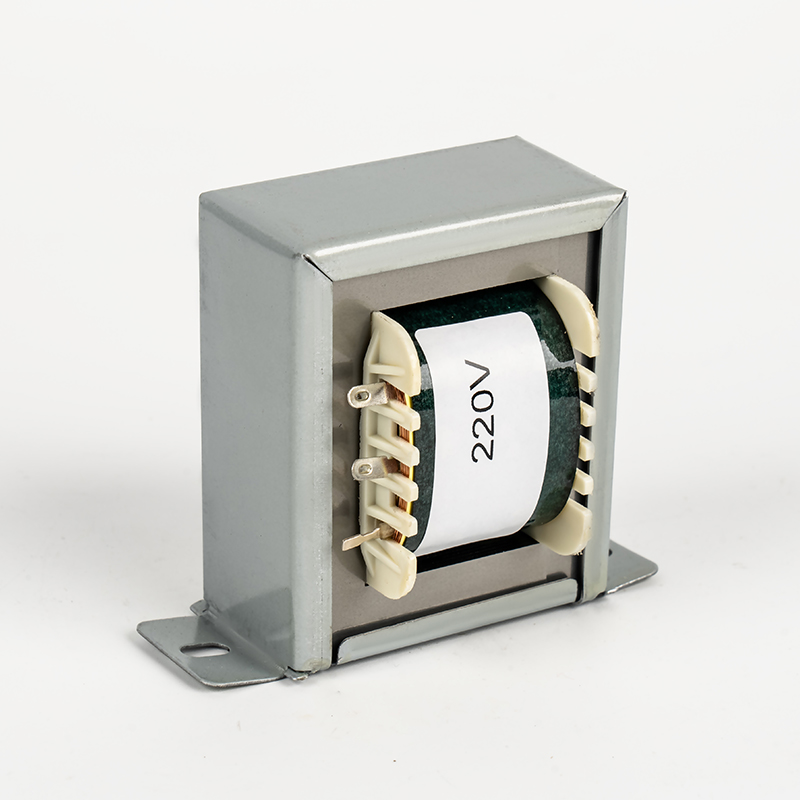
- Shell-type: Core surrounds the windings; provides better mechanical protection
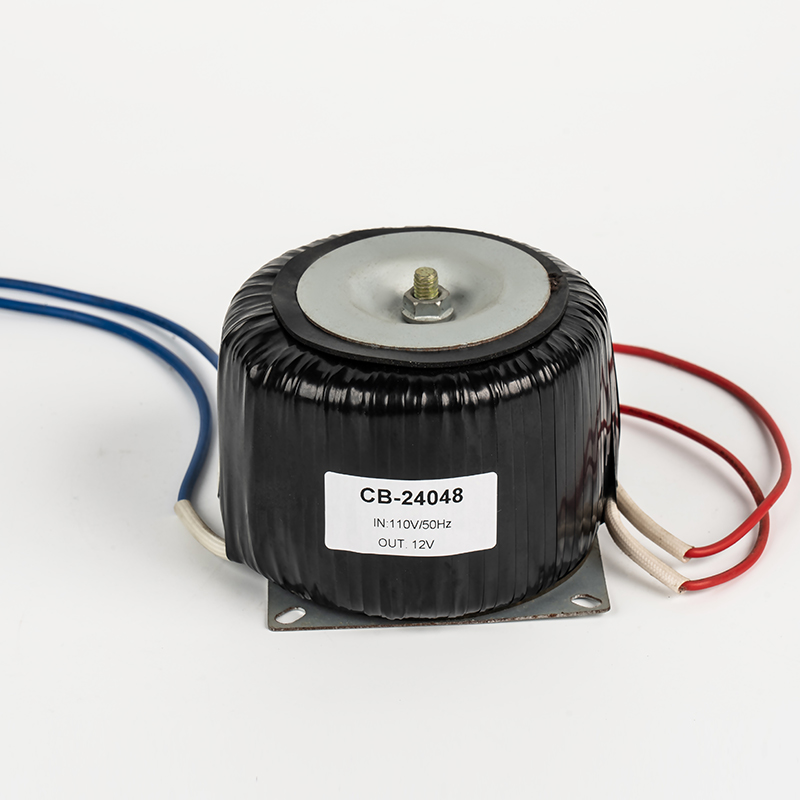
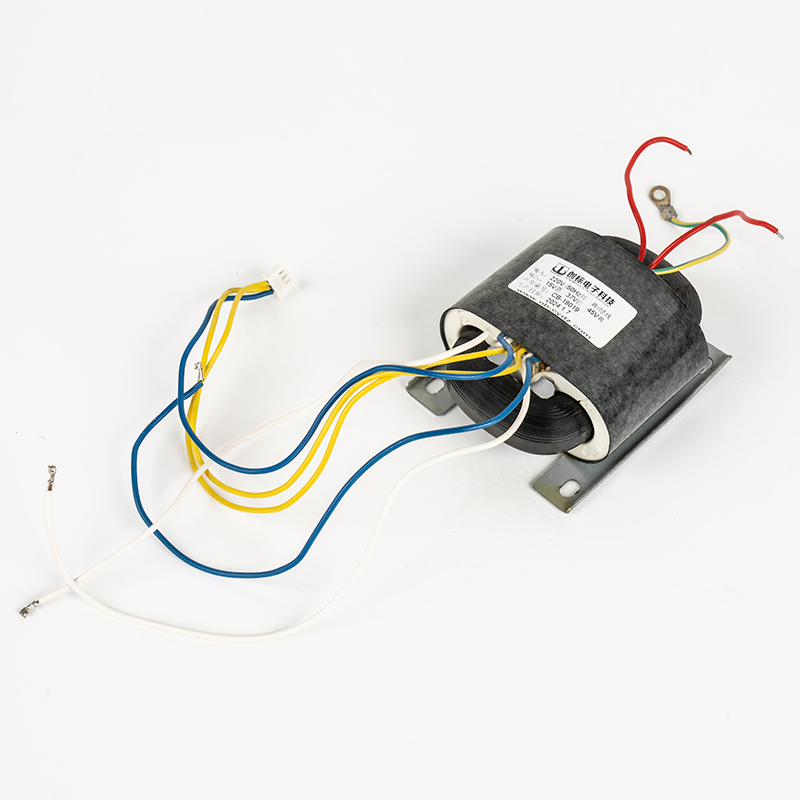
- Toroidal: Ring-shaped core with windings distributed evenly; minimal flux leakage
Current Transformer Types by Installation
- Solid-core: One-piece core requiring circuit de-energization; accuracy Class 0.2-0.5
- Split-core: Hinged design for retrofit installation; accuracy Class 1-3
- Window-type: Hollow core for cable pass-through; flexible for various conductor sizes
Frequently Asked Questions About Transformers
Can CTs measure DC current?
No. Standard current transformers only work with AC. They require a changing magnetic field to induce secondary current. DC creates a static magnetic field, producing no sustained output. For DC measurement, use Hall Effect sensors, Rogowski coils, or shunt resistors.
What is CT burden and why does it matter?
Burden is the total load connected to the CT secondary, measured in VA (volt-amperes) or ohms. Exceeding the rated burden causes accuracy degradation and potential saturation. Standard burden ratings include 1.25 VA, 5 VA, and 15 VA. Calculate total burden as the sum of all connected devices plus wiring resistance.
How do I choose between metering and protection CTs?
Metering CTs (Class 0.1, 0.2, 0.5) prioritize accuracy during normal load conditions for billing and energy management. Protection CTs (Class 5P, 10P) are designed to avoid saturation during fault currents, ensuring relays receive accurate signals for tripping. Never substitute metering CTs for protection applications.
What causes CT saturation?
Saturation occurs when the magnetic core cannot absorb more flux, typically due to excessive primary current (fault conditions) or high burden. Symptoms include waveform distortion, ratio errors, and phase angle errors. Protection CTs are designed with larger cores to withstand 20-30 times rated current without saturating.
What are common CT ratios?
| Primary Current | Secondary Current | Ratio | Typical Application |
|---|---|---|---|
| 100A | 5A | 20:1 | Small motors, panels |
| 200A | 5A | 40:1 | Distribution panels |
| 600A | 5A | 120:1 | Industrial feeders |
| 1000A | 5A | 200:1 | Large transformers |


Welcome To CHUANGBIAO
Address : No.420-3, Sanbei East Road, Guanhaiwei Industrial Zone, Cixi City, Ningbo, Zhejiang, China
Contact
- Tel: +86 186 6825 0703
- Email: linjian@nbcbdz.com
About us
Products
Copyright © Ningbo Chuangbiao Electronic Technology Co., Ltd.
All Rights Reserved. EI Transformer Manufacturer


