
 English
 中文简体
How to Choose a Reliable Transformer Manufacturer in China: A 2026 Buyer's Guide
2026-10-23
Content
- 1 Define the Transformer Type and Electrical Specs First
- 2 Verify Real Manufacturing Capability, Not Just Trading Reach
- 3 Check Certifications, Test Reports, and Traceable Quality Records
- 4 Evaluate Design and Customization Support for Your Application
- 5 Compare Total Landed Cost, Lead Time, and Supply Risk
- 6 Red Flags and a Practical RFQ Checklist
- 7 FAQ
A low unit price is the most expensive mistake in transformer sourcing when the supplier cannot control winding, core assembly, impregnation, and final testing. If you are buying EI transformers, toroidal transformers, medical transformers, audio transformers, or industrial control transformers from China, the reliable choice is the manufacturer that can show real production equipment, traceable test records, and engineering support, not just a polished catalog. The steps below focus on what to verify before you issue a purchase order.
Define the Transformer Type and Electrical Specs First
Before you compare factories, write a one-page specification. A vague inquiry such as “we need a 50W transformer” will attract vague quotes. A reliable Chinese manufacturer will ask for the input voltage, output voltage, frequency, power rating in VA, insulation class, allowable temperature rise, no-load and load losses, efficiency target, dielectric strength, creepage and clearance distances, and any required certification.
Different transformer families have different risks. A medical transformer often demands low leakage current and reinforced insulation. An audio transformer may need shielding and low distortion. A high-voltage transformer requires careful layer insulation and vacuum impregnation. An industrial control transformer may need extra margin for inrush current. If your application is unusual, request a design review before the quotation. A factory that answers with specific questions is more trustworthy than one that replies with a price within an hour.
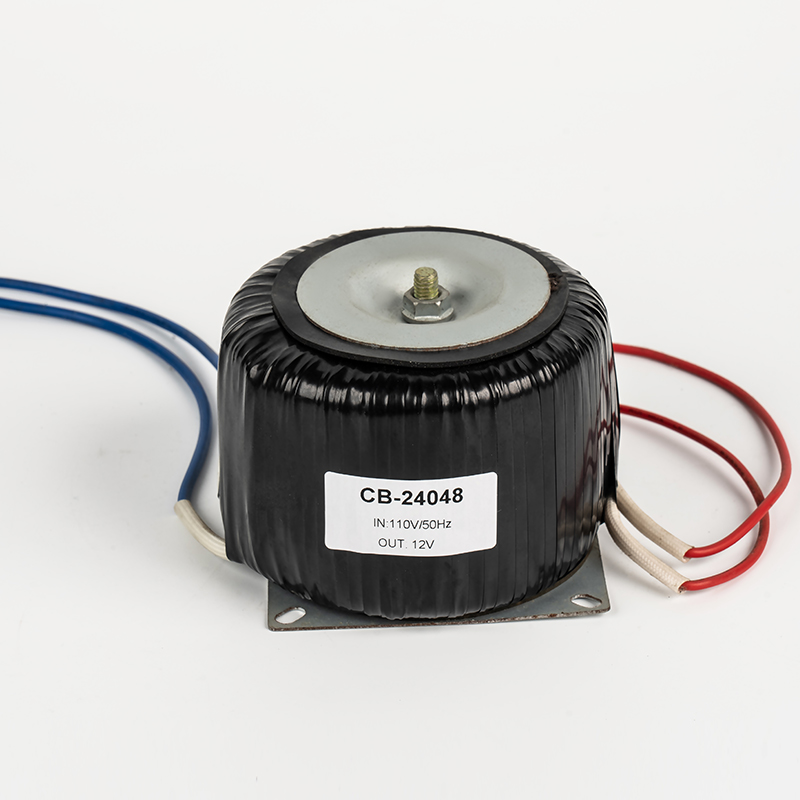
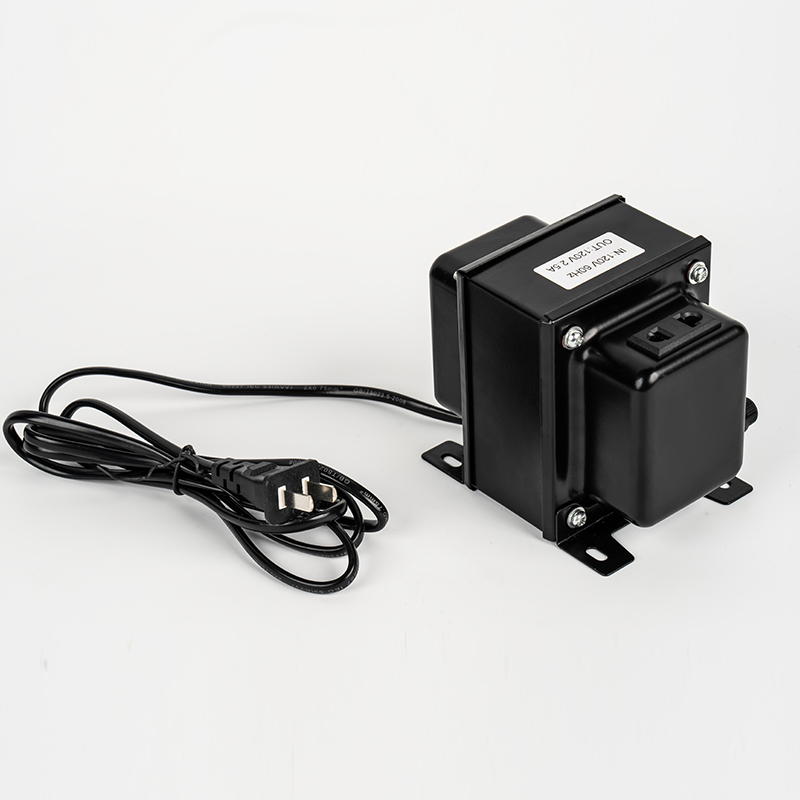
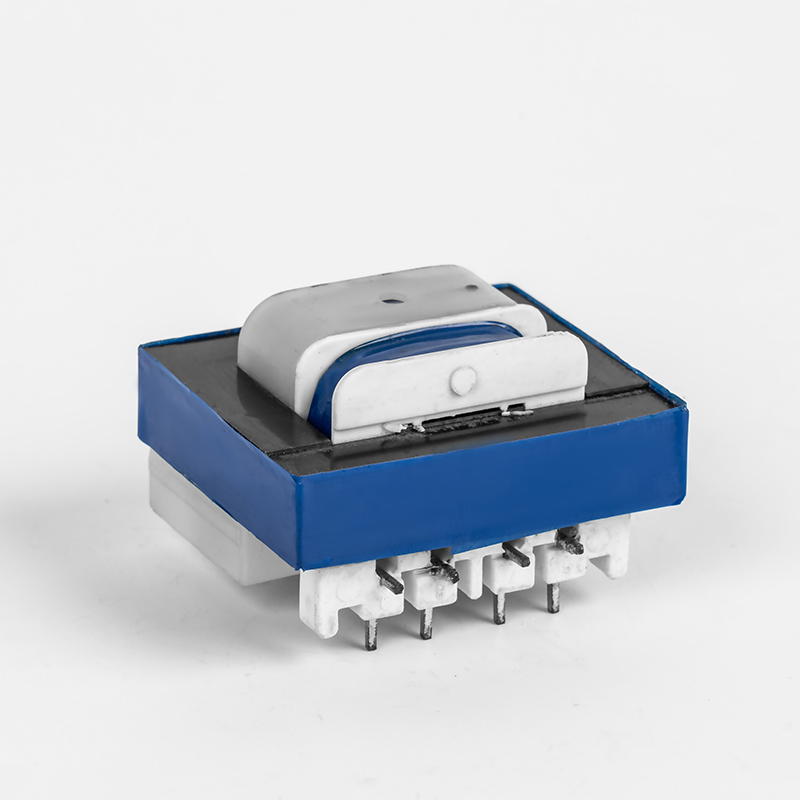
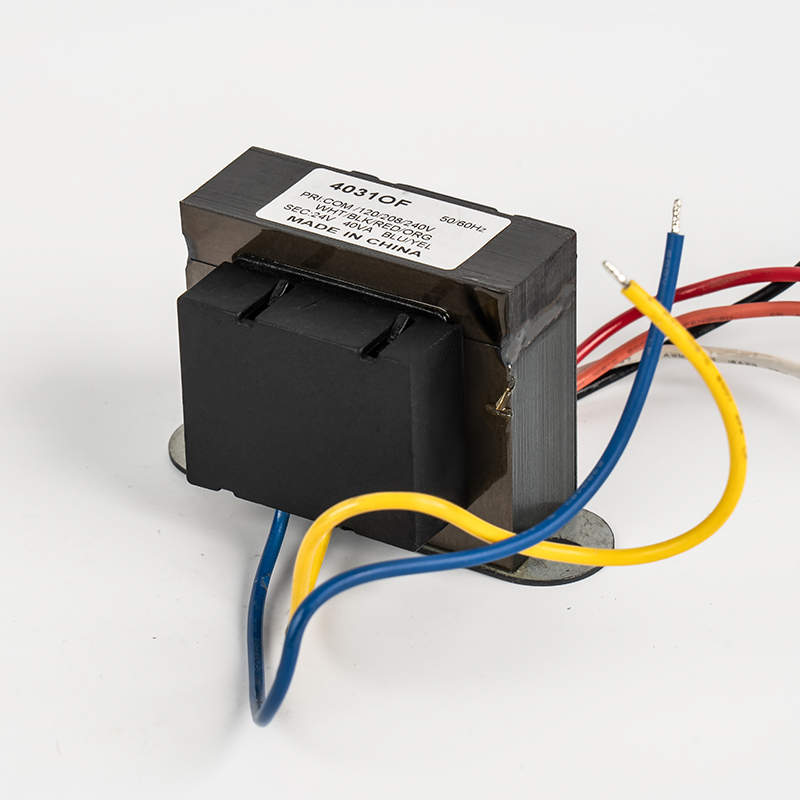
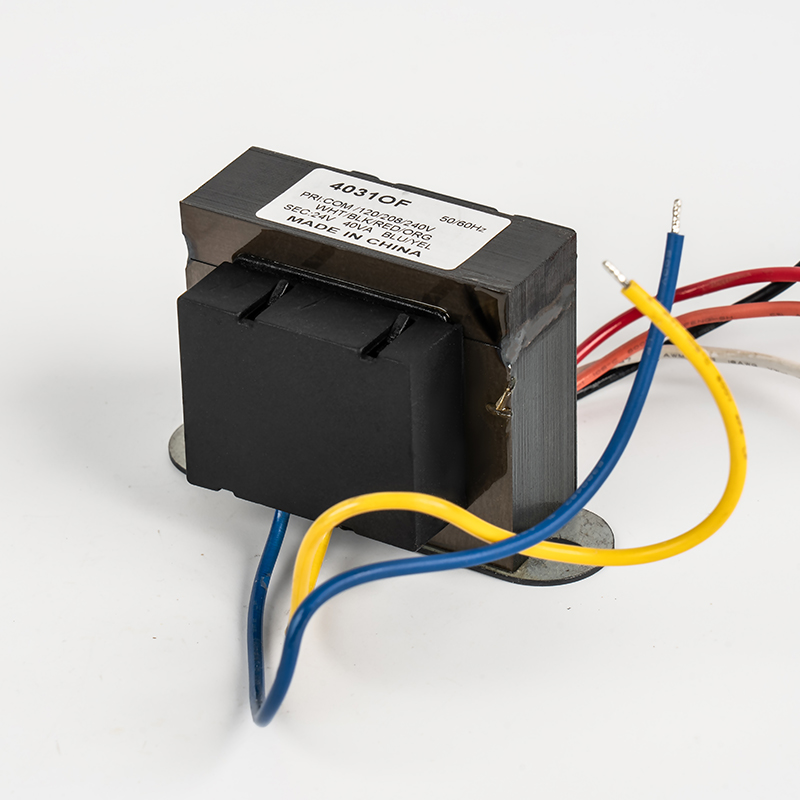
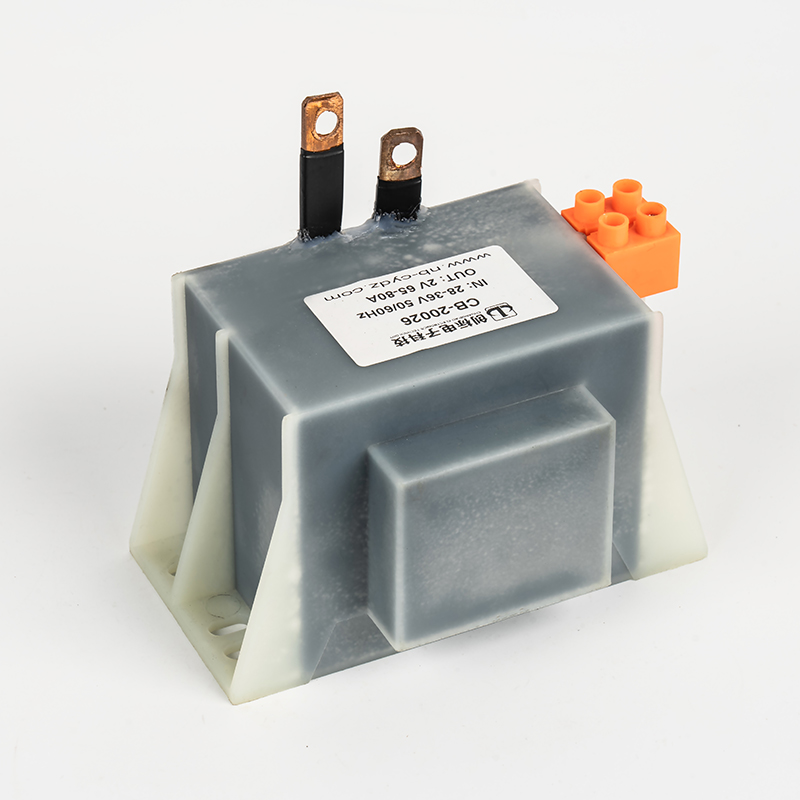
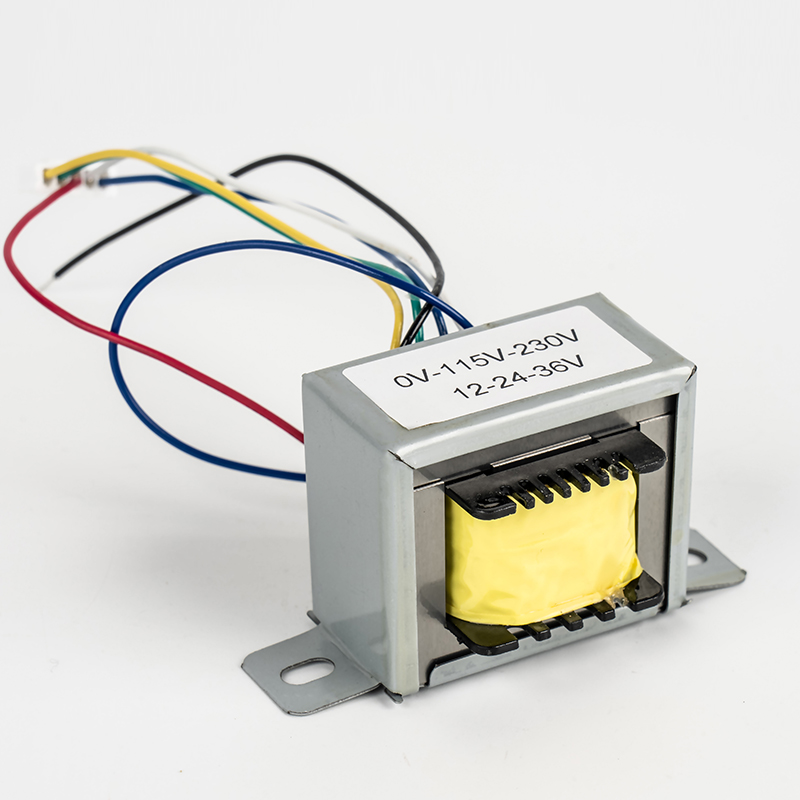
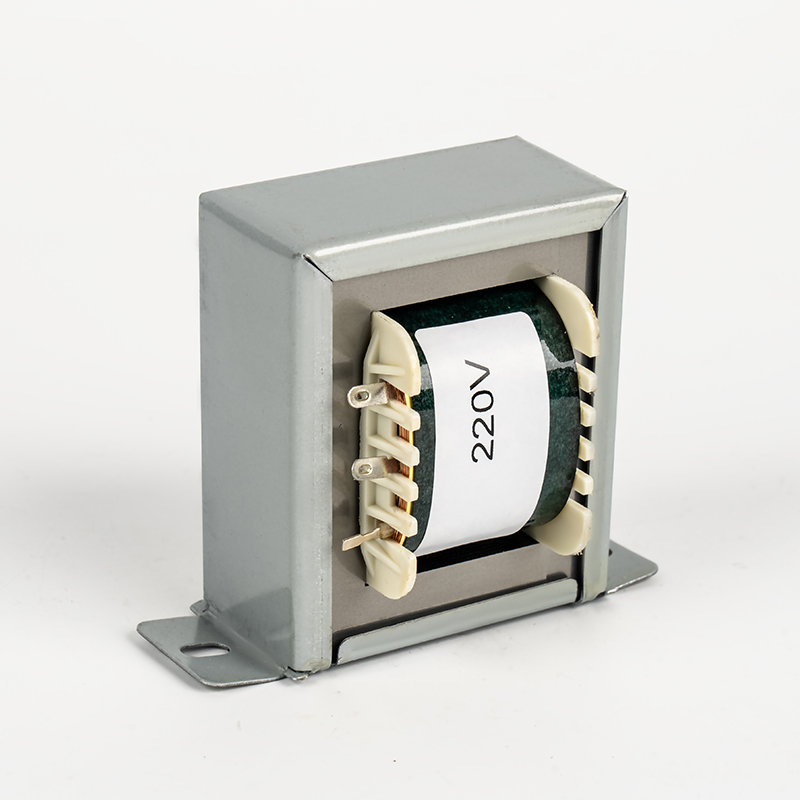
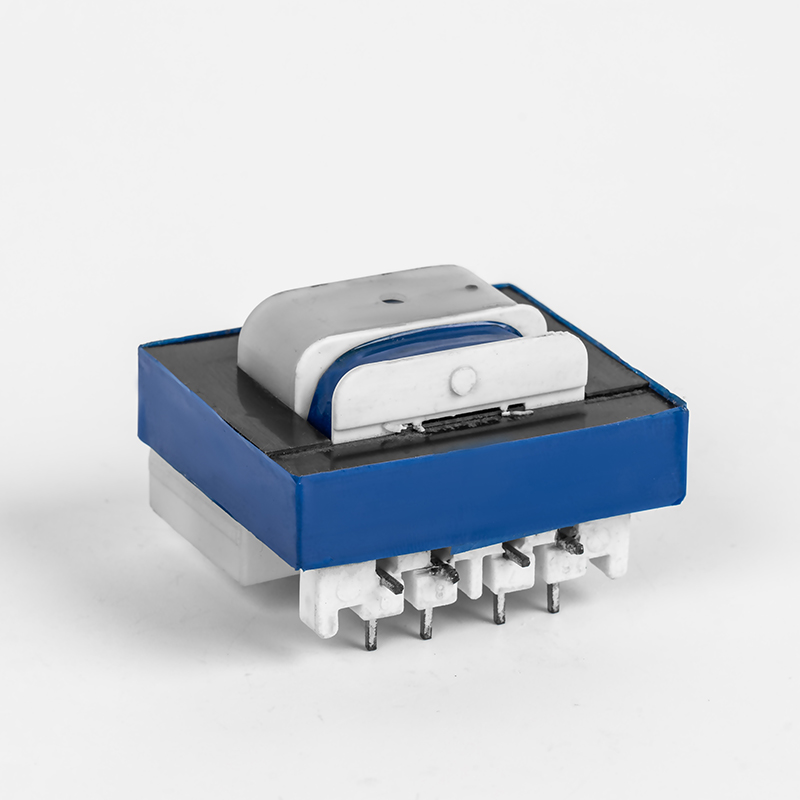
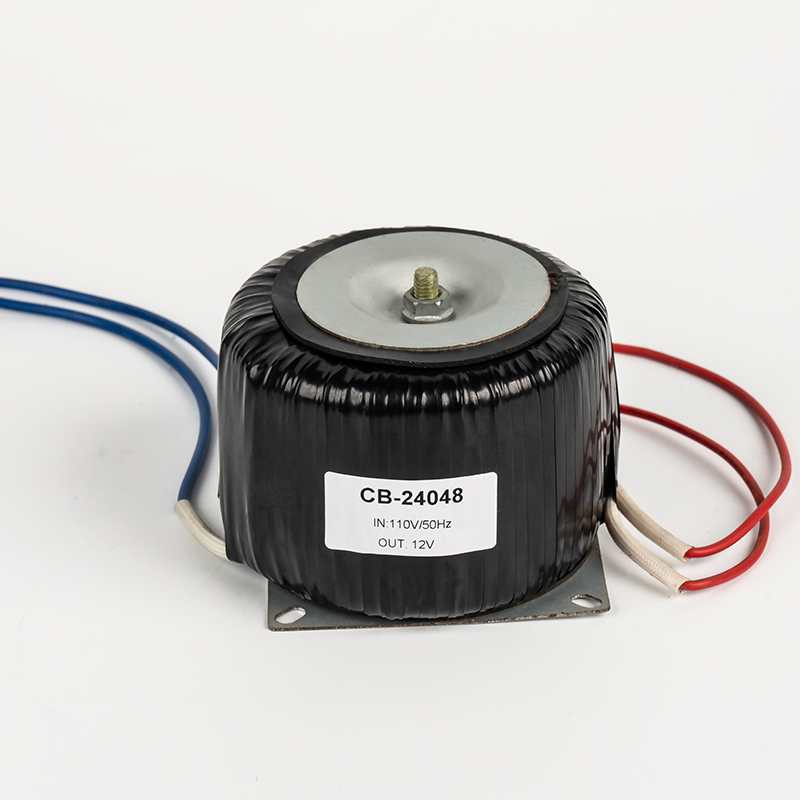
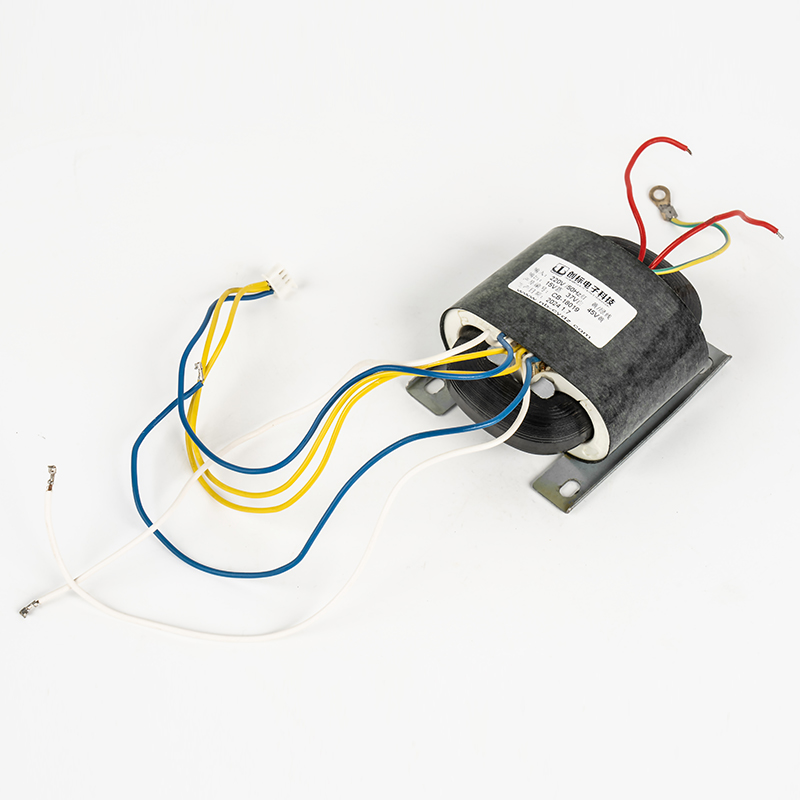
Popular Transformer Types from Chuangbiao
Verify Real Manufacturing Capability, Not Just Trading Reach
Many suppliers on B2B platforms are trading companies. They may place your order with a small workshop, and you will not know who controls the process. Ask directly: do you wind coils in-house, stack and laminate cores, vacuum impregnate, and test finished transformers? How many winding machines, toroidal winding stations, and test benches do you operate? What is your monthly capacity?
A factory visit or live video audit is the fastest way to separate a manufacturer from a trader. Look for CNC winding equipment, automated test systems, incoming material inspection, and organized workstations. A manufacturer such as Ningbo Chuangbiao Electronics, founded in 2010 with a 5,000 square meter plant, more than 50 specialists, and CNC plus automated testing equipment, should be able to show this evidence through a factory profile and a scheduled video walkthrough. If a supplier refuses a video tour, treat it as a serious warning.
Check Certifications, Test Reports, and Traceable Quality Records
ISO 9001, CQC, ROHS, and CE are useful starting points, but certificates alone do not prove that your specific transformer was built correctly. Ask for routine test records tied to the serial number or production batch. The table below lists core checks that a reliable manufacturer should perform before shipment.
| Test item | Why it matters | Evidence to request |
|---|---|---|
| Turns ratio | Confirms correct output voltage and winding direction | Record linked to serial number |
| Dielectric / Hipot | Verifies insulation can survive voltage surges | Test voltage, duration, pass/fail result |
| Insulation resistance | Detects leakage between windings and core | Measured value in megohms |
| No-load current and loss | Indicates core quality and lamination stacking | Measured values against specification |
| Load temperature rise | Shows copper loss, iron loss, and thermal design | Temperature rise curve or data sheet |
| Impulse test for high voltage | Critical for high-voltage and pulse applications | Waveform record and pass criteria |
Do not accept “we test every unit” without documentation. A factory that uses automated test systems can export data. If you receive only a generic certificate, ask for the scope, certificate number, and issuing body so you can verify it independently.
Evaluate Design and Customization Support for Your Application
Off-the-shelf transformers rarely fit every mechanical and electrical requirement. Medical, audio, high-voltage, and industrial control applications often need custom pinouts, mounting brackets, shielding, thermal fuses, or specific core materials. Ask whether the manufacturer has an in-house engineering team and how it handles design changes.
A complete RFQ should include electrical specifications, mechanical envelope or drawing, application environment, expected annual volume, target certifications, and packaging requirements. If the supplier can suggest a lower-cost core grade or a better winding layout while meeting your reliability targets, that is a sign of real engineering experience. You can also review custom requirements to see whether the factory supports sample development and pilot production.
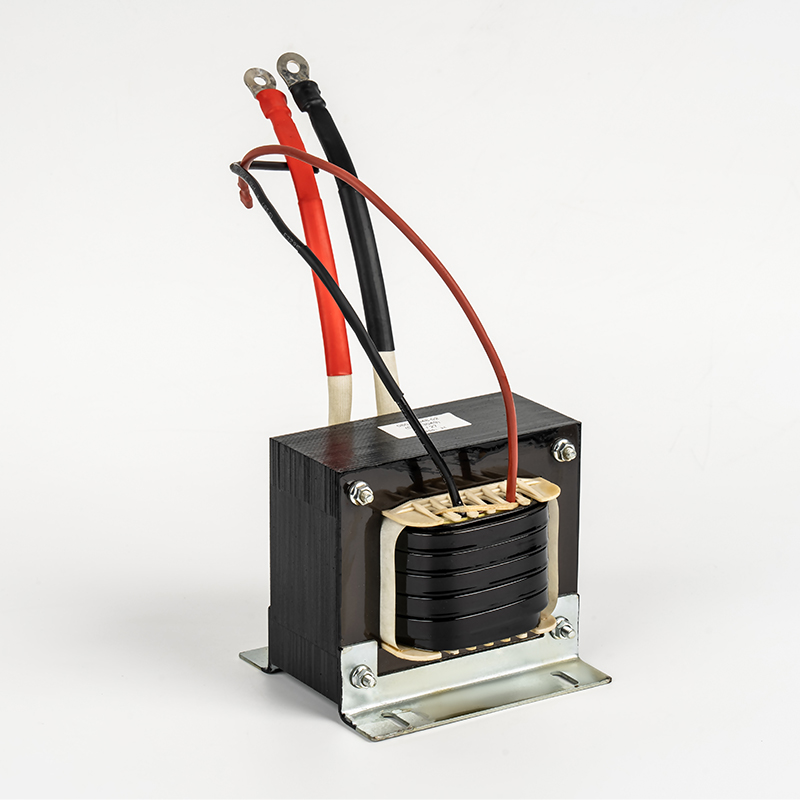
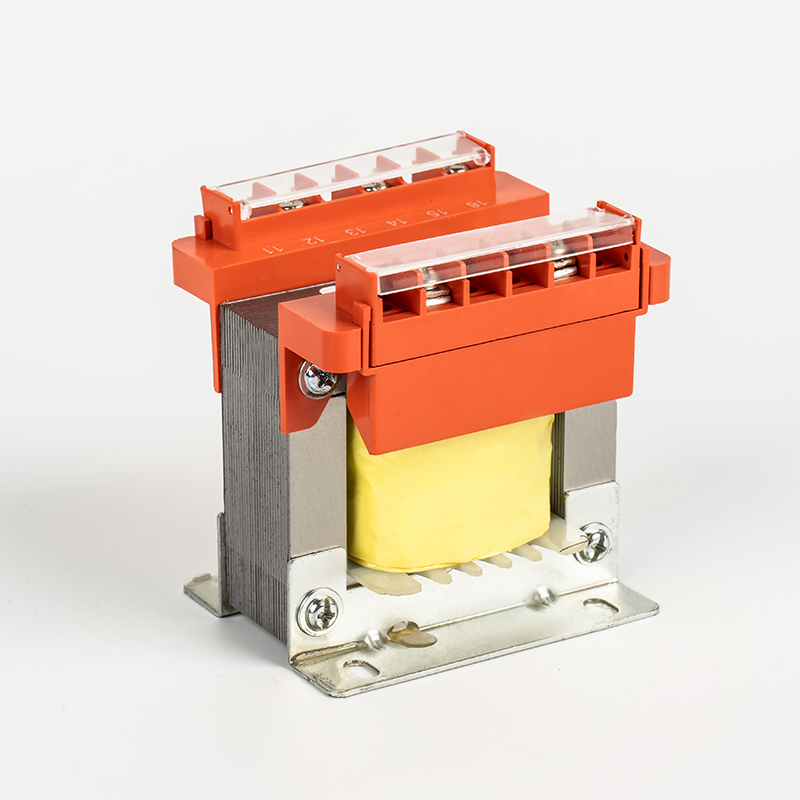
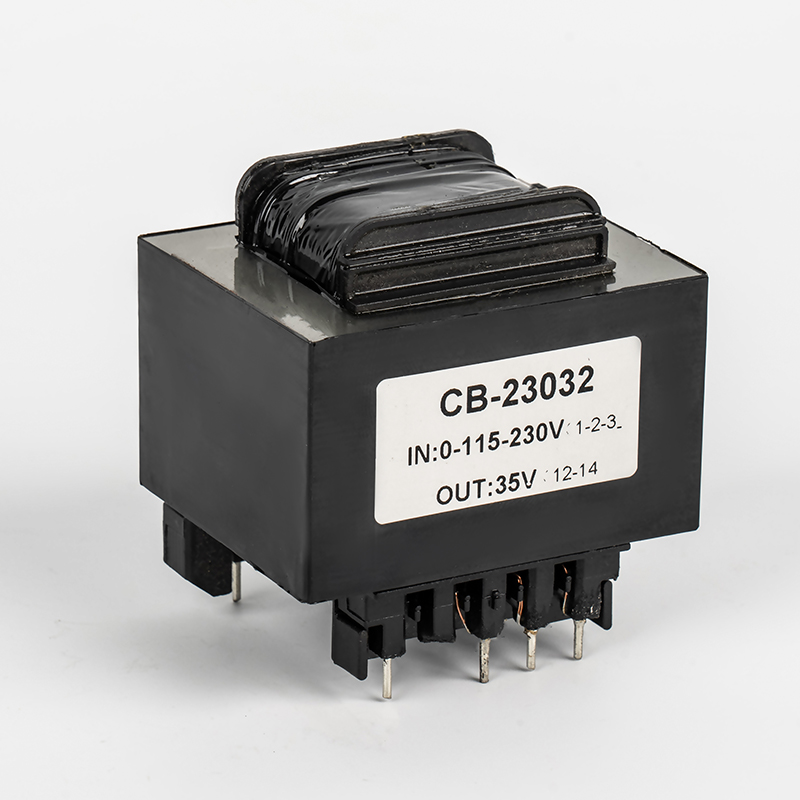
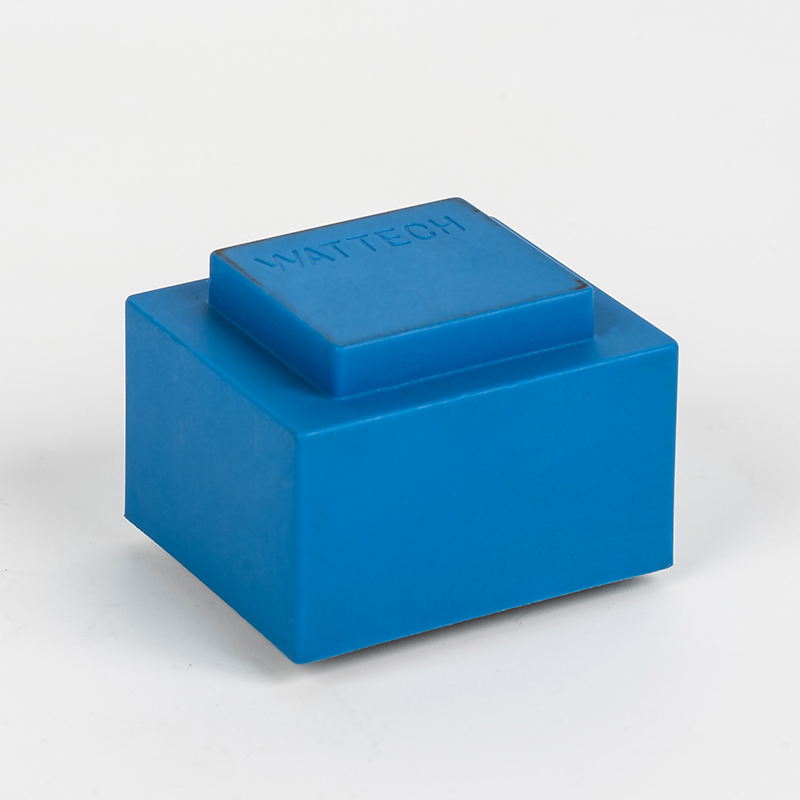
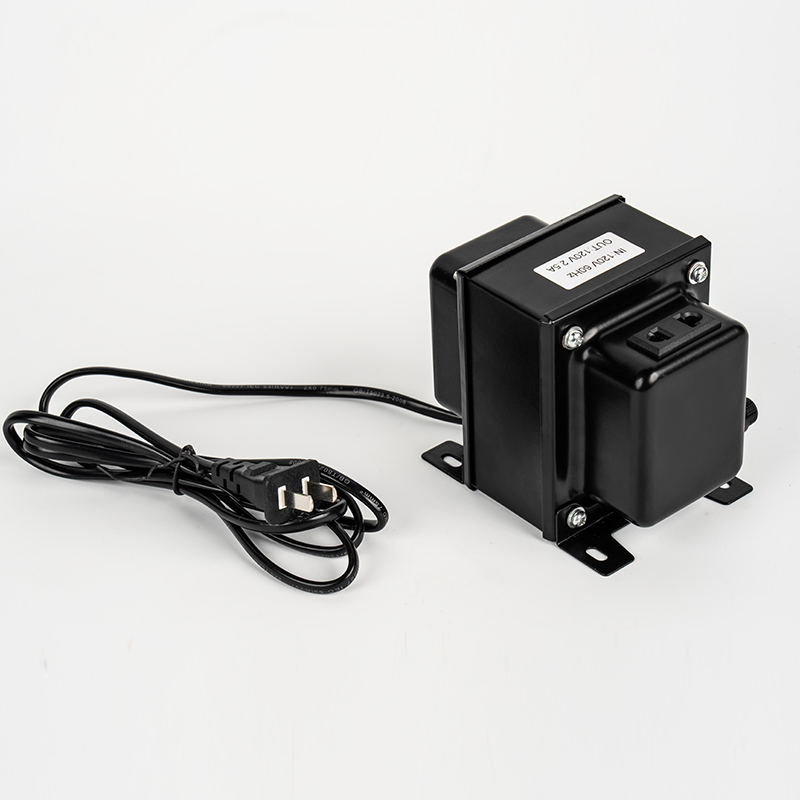
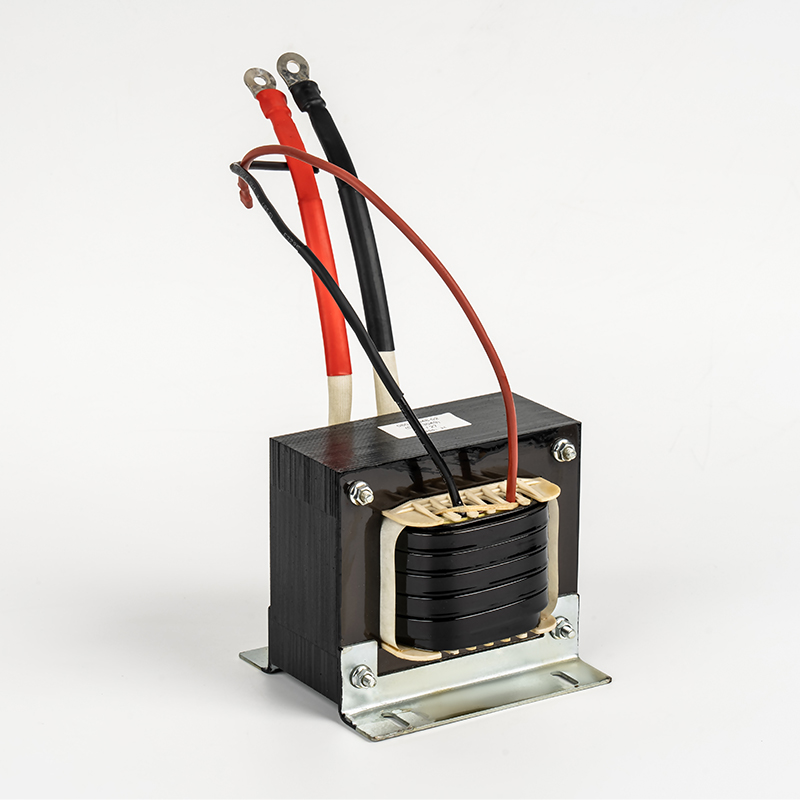
More Customizable Models
Compare Total Landed Cost, Lead Time, and Supply Risk
Unit price is only one line in the sourcing decision. Consider these cost and risk factors:
- Tooling, sample, and certification fees
- Packaging, freight, insurance, and import duties
- MOQ and payment terms
- Lead time and historical on-time delivery
- Copper and silicon steel price adjustment clauses
- Warranty terms and response time for quality claims
A trader may quote a lower price but add risk: unclear origin, inconsistent core material, delayed shipment, and no engineering support when a failure occurs. A manufacturer with in-house winding and testing usually offers better traceability, even if the first quote is slightly higher. For large orders, request a production schedule with milestones and agree on inspection points before shipment.
Red Flags and a Practical RFQ Checklist
Walk away or dig deeper if you see these warning signs:
- The supplier cannot provide a live video tour or factory address
- Test reports are missing, generic, or not tied to a serial number
- Technical questions are answered with sales phrases, not engineering data
- The price is far below the market without a clear material explanation
- The business license shows only trading, with no manufacturing scope
- No engineering contact is available for design review
- The supplier demands full payment upfront or refuses a sample order
Use this RFQ checklist before you commit: complete electrical specification, mechanical drawing, quantity, applicable standards, required certification, delivery date, payment terms, packaging requirements, and warranty. A supplier that can respond to every item in writing is a safer partner.
FAQ
How can I verify an ISO 9001 or CQC certificate from a Chinese transformer manufacturer?
Check the certificate number on the issuing body’s website. Confirm that the scope covers transformer manufacturing and that the company name and address match the supplier you are evaluating.
What is a normal MOQ for custom EI transformers?
Many factories ask for 500 to 1,000 pieces for custom wound EI transformers, but some accept 100 pieces for samples or pilot runs. MOQ depends on core tooling, bobbin tooling, and material minimums.
Should I pay a deposit before seeing a sample?
It is normal to pay a sample and tooling fee upfront. The production deposit should be paid only after the sample is approved and the final specification is locked.
How long should a transformer sample take?
Standard samples often take 7 to 15 days. Custom medical, audio, or high-voltage transformers may take 2 to 4 weeks because of insulation and testing requirements.
A reliable Chinese transformer manufacturer is not the one with the lowest quote. It is the one that can repeat the same electrical performance, provide test data, and support you when a design changes. Start with a pilot order, inspect the first article against your specification, and keep the test records. That process turns a risky sourcing decision into a stable supply chain.


Welcome To CHUANGBIAO
Address : No.420-3, Sanbei East Road, Guanhaiwei Industrial Zone, Cixi City, Ningbo, Zhejiang, China
Contact
- Tel: +86 186 6825 0703
- Email: linjian@nbcbdz.com
About us
Products
Copyright © Ningbo Chuangbiao Electronic Technology Co., Ltd.
All Rights Reserved. EI Transformer Manufacturer


