
 English
 中文简体
中文简体How Long Does a Transformer Last? Average Lifespan Explained in Detail
2026-10-16
Content
If you are choosing a transformer for a new installation or planning a replacement, the practical answer is that a well-made unit can last 20 to 40 years. Dry-type transformers often reach 20 to 30 years, oil-filled and pad-mounted units can run 30 to 40 years or more, and current transformers in clean, stable conditions may also reach 20 to 30 years. Poor heat management, moisture, and overload can cut that average lifespan to 15 years or less.
The short answer is that the insulation system, not the copper or steel, usually decides when a transformer reaches end of life. Every 8°C rise above the rated hot-spot temperature can halve the life of the insulation. That single relationship explains why two identical transformers in different locations can have very different service lives.
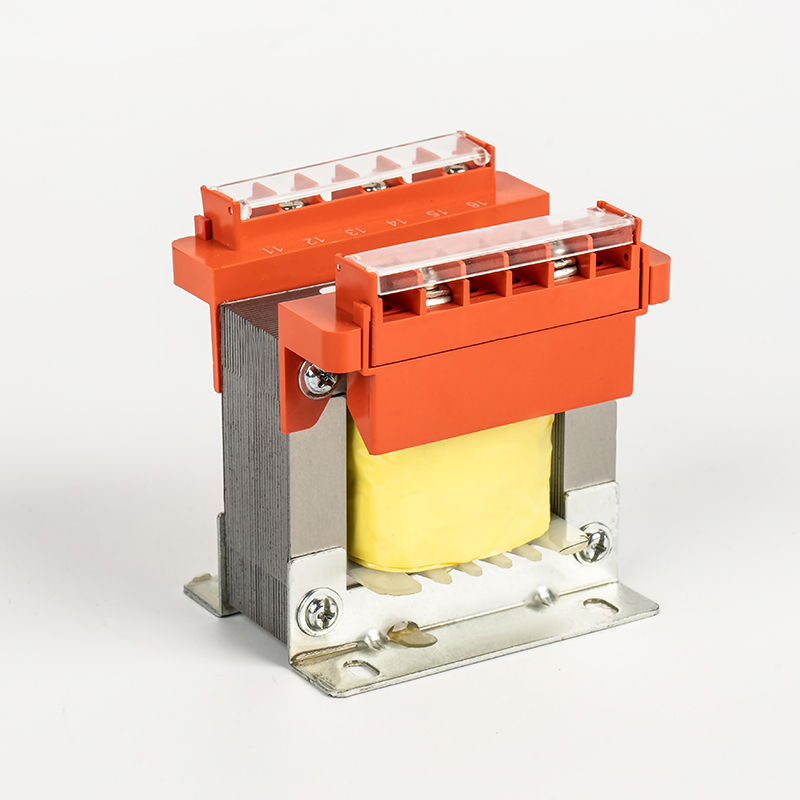
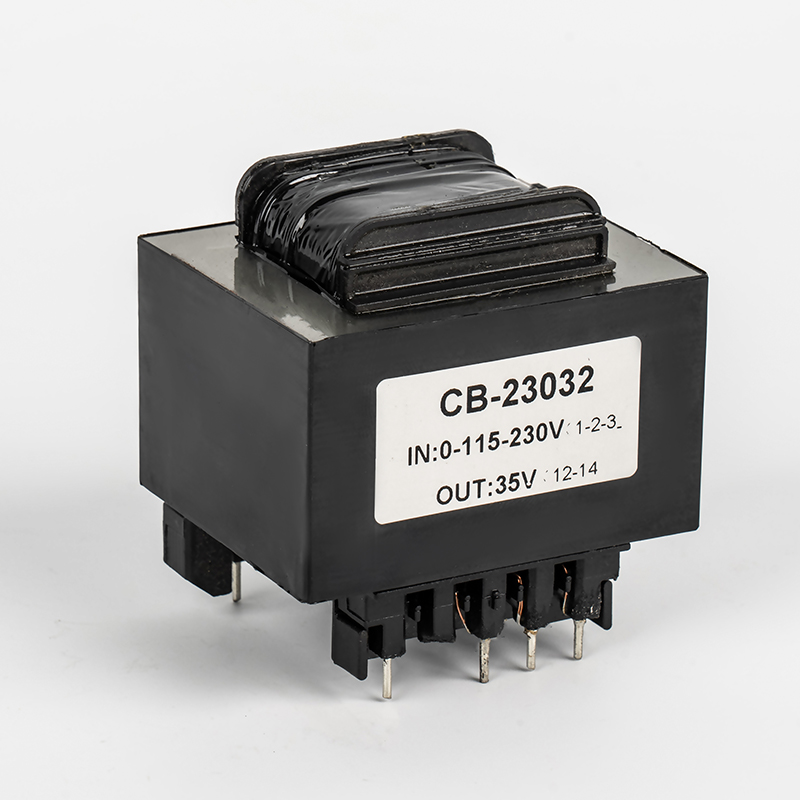
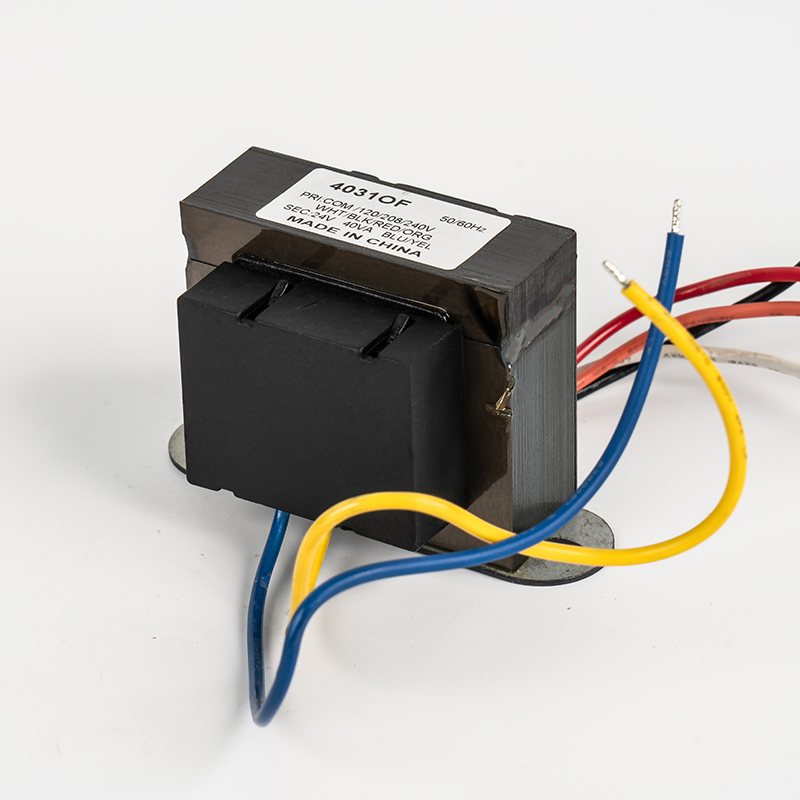
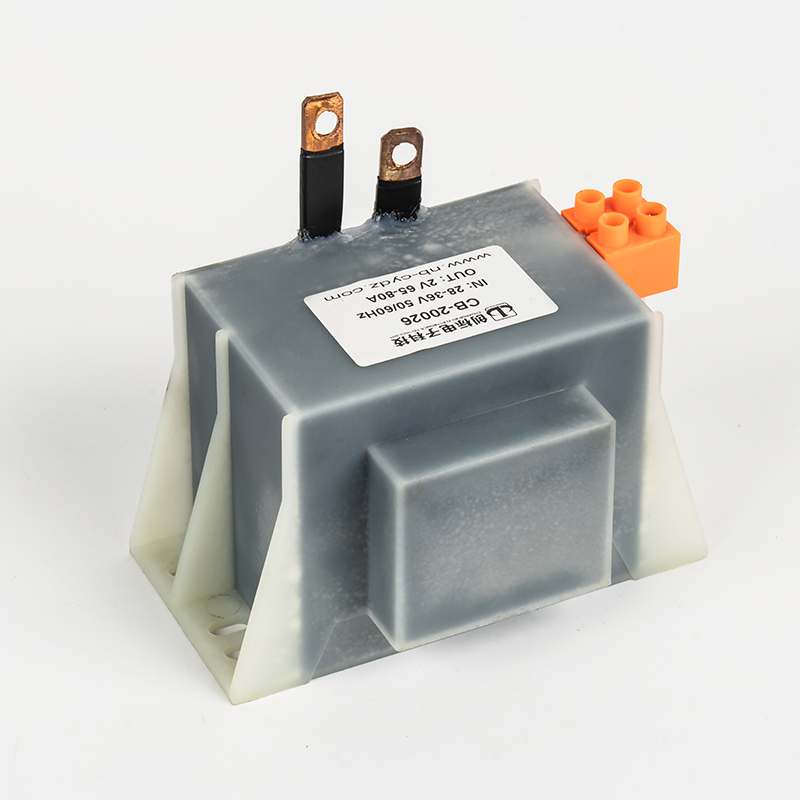
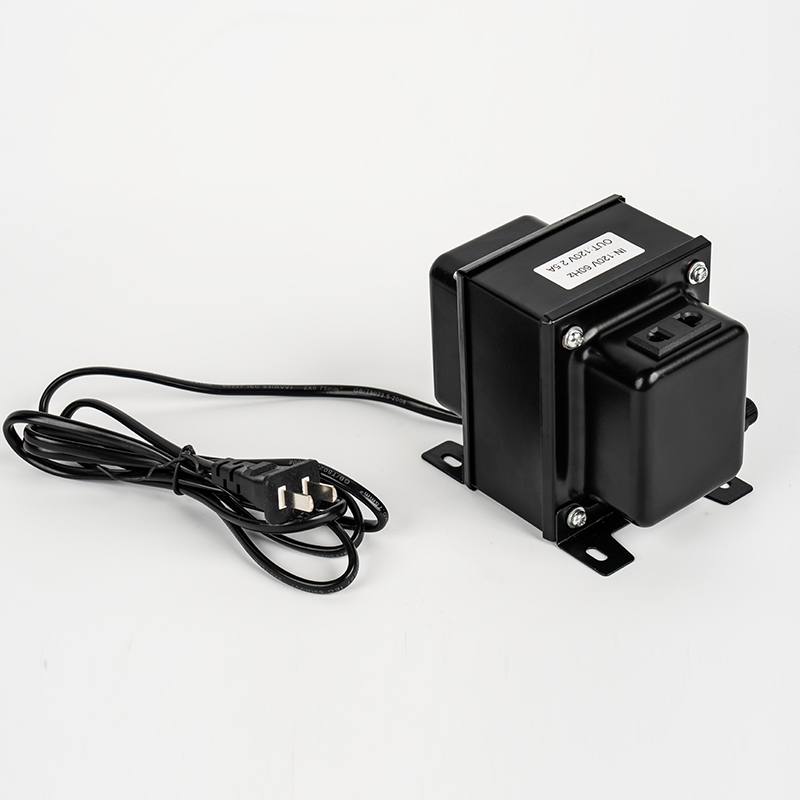
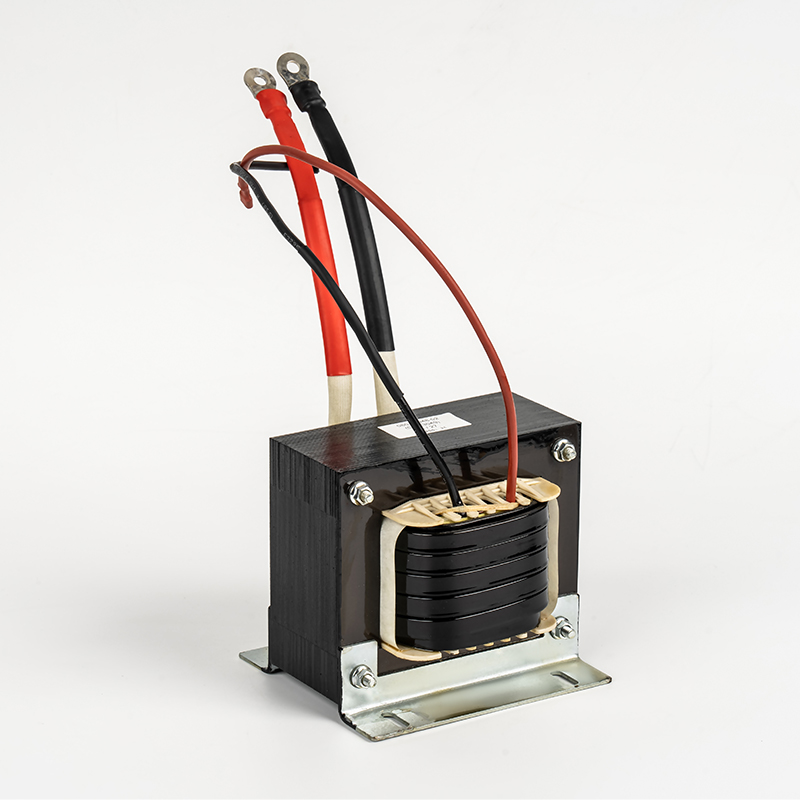
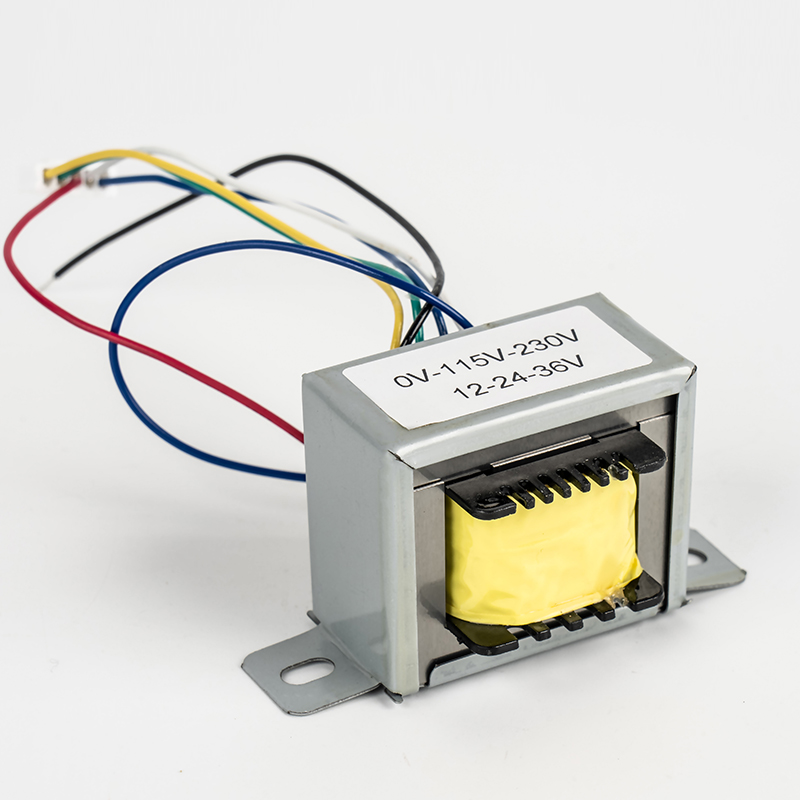
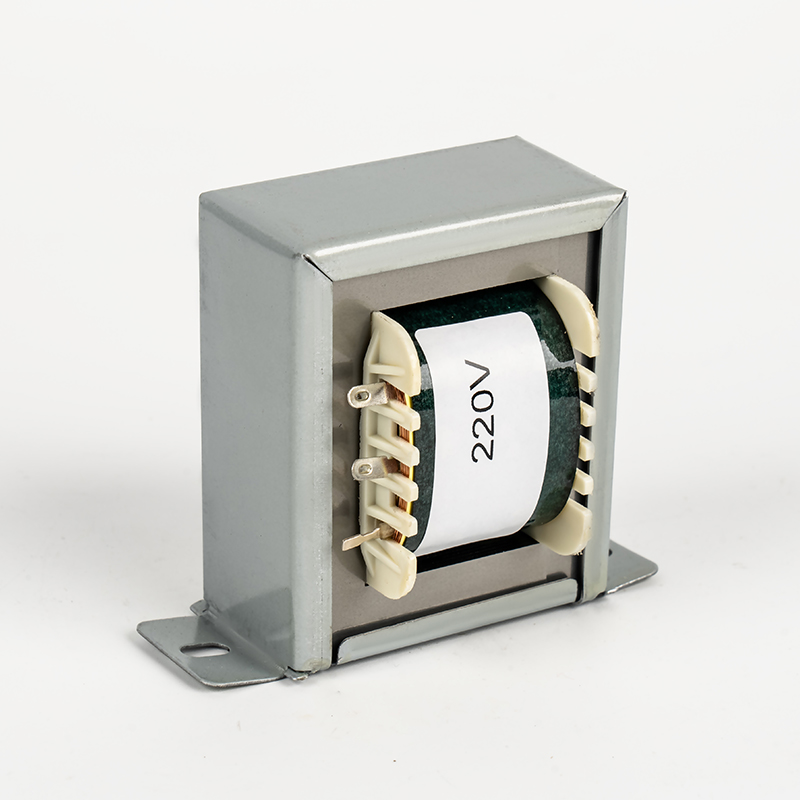
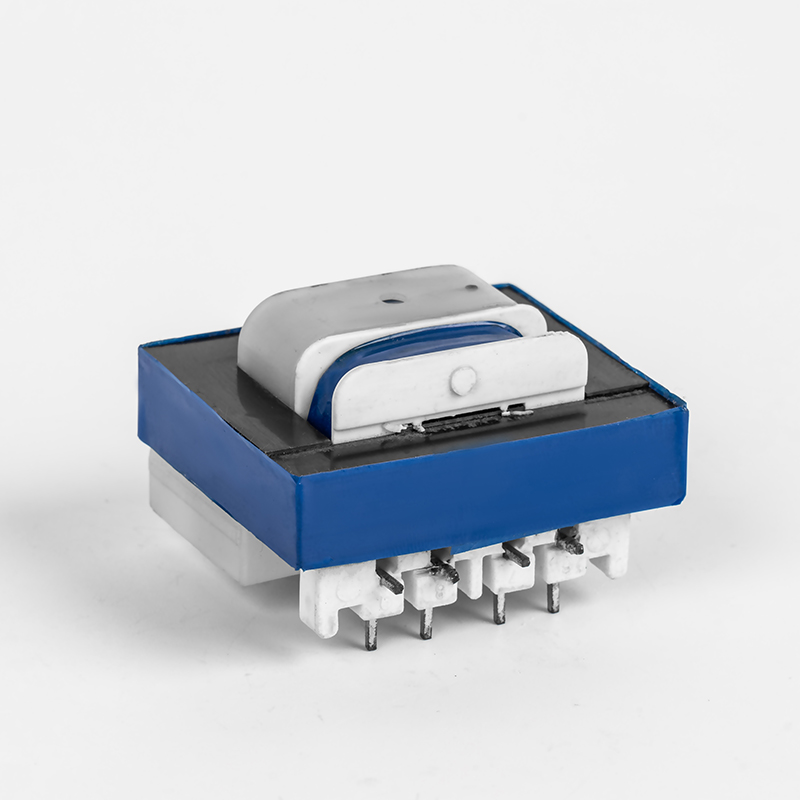
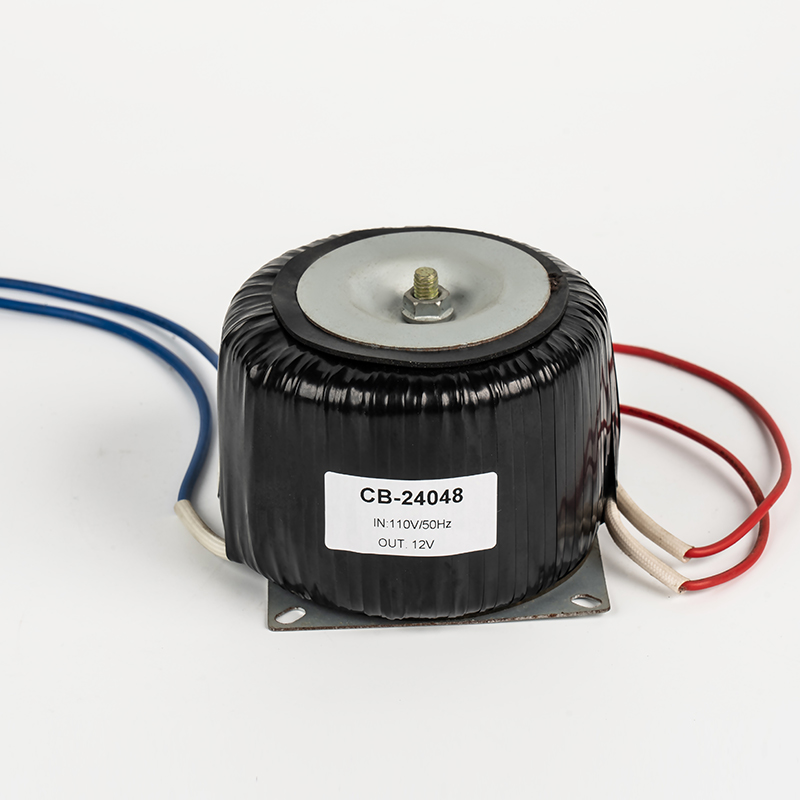
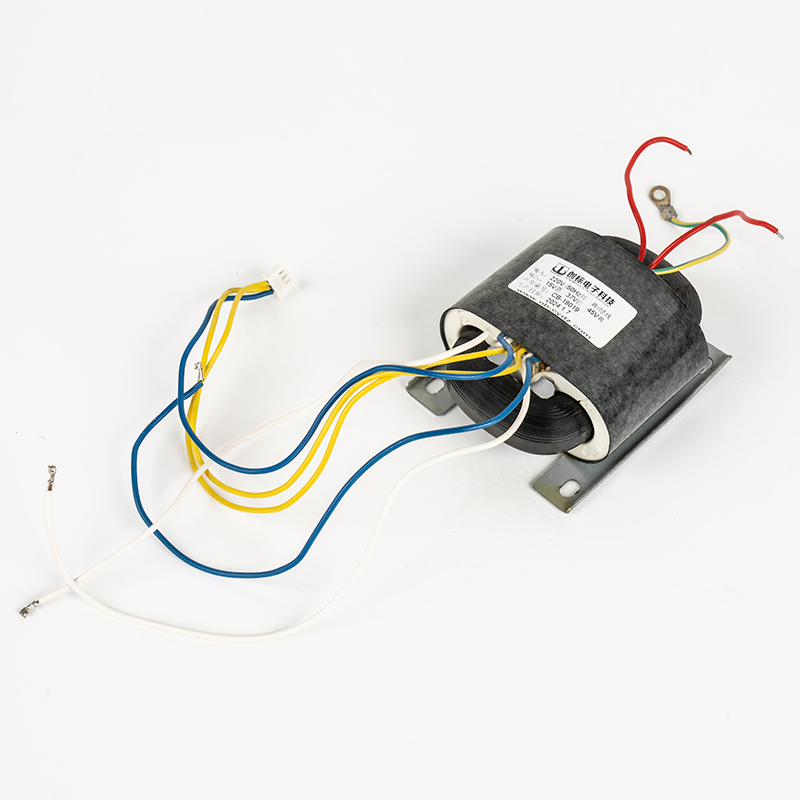
At our transformer manufacturing facility, we build EI, toroidal, C-type, medical, audio, high-voltage, and industrial control transformers with ISO9001 quality control. The following sections explain realistic lifespan ranges, the factors that shift those numbers, and maintenance choices that add years of service.
Baseline Lifespan by Transformer Type
Before you plan a replacement budget, separate the marketing number from the engineering number. A transformer's rated life is not a fixed countdown; it is an estimate based on insulation temperature, loading profile, and environmental conditions. The table below gives realistic ranges for common transformer types in normal service.
| Transformer type | Typical lifespan | Primary aging factor |
|---|---|---|
| Dry-type | 20-30 years | Insulation degradation, ambient heat |
| Oil-filled | 30-40+ years | Oil oxidation, moisture, thermal stress |
| Pad-mounted | 20-40 years | Sealing, oil condition, load cycling |
| Current transformer | 20-30 years | Burden, insulation, environmental exposure |
| EI / industrial control | 15-30 years | Winding temperature, duty cycle, moisture |
These ranges come from field data and manufacturer experience. A well-maintained oil-filled transformer in a temperature-controlled room can exceed 40 years. The same unit outdoors, overloaded during summer peaks, may fail before year 20. The difference is almost always thermal aging of the insulation.
What Shortens or Extends the Average Lifespan
Five variables dominate the actual service life you get from any transformer. They apply to dry-type, oil-filled, and small control transformers alike.
Heat and Thermal Aging
Insulation life follows the Arrhenius rule. A transformer designed for a 55°C average winding rise may lose half its insulation life for every 8°C of sustained extra heat. Blocked ventilation, dusty ducts, high ambient temperature, and undersized enclosures are common causes.
Load and Overload
Continuous loading above nameplate rating raises winding temperature and accelerates insulation breakdown. Short-term overloads are less damaging if the transformer has enough thermal mass to absorb them, but repeated spikes still add cumulative aging. Keep average loading below 80% of rating when you want a 30-year design life.
Moisture and Insulation Condition
Moisture is the second-largest killer after heat. It lowers dielectric strength, promotes corrosion, and speeds oil oxidation. In dry-type units, moisture attacks epoxy and paper insulation. In oil-filled units, water content above 30 ppm begins to reduce breakdown voltage.
Electrical Stress and Harmonics
Voltage spikes, switching transients, and harmonic currents create extra losses and localized heating. Harmonic-rich loads from variable frequency drives and rectifiers can overheat neutral windings. A transformer with a K-factor rating or oversized neutral handles these loads without a shortened lifespan.
Environment and Ventilation
Dust, corrosive air, salt spray, and poor airflow all reduce cooling efficiency. A transformer in a clean, ventilated indoor room runs 5°C to 10°C cooler than one in a dusty, enclosed cabinet. That difference can translate into 10 to 20 extra years of insulation life.
Maintenance Practices That Add Years
Maintenance is not a single task; it is a schedule matched to the transformer type and criticality. The following actions give the highest return on effort.
- Check ventilation and cooling paths every 6 to 12 months. Remove dust, lint, and debris from fans, radiators, and air ducts.
- Record winding and oil temperatures under normal load. A 5°C upward trend over a few months signals a developing problem.
- Test oil dielectric strength and moisture content annually for oil-filled units. Replace or recondition oil when moisture exceeds 30 ppm.
- Inspect for corrosion, loose connections, and damaged insulation during scheduled outages. Tighten terminals to the specified torque.
- Measure insulation resistance and compare readings to previous tests, not just to a pass/fail threshold.
For dry-type transformers, vacuuming and re-torquing are often enough to reach the upper end of the 20-30 year range. For oil-filled units, oil testing and timely reconditioning are the difference between 20 years and 40 years.
Design and Manufacturing Choices That Set the Aging Clock
Lifespan is largely decided before the transformer leaves the factory. Two units with the same nameplate rating can have very different endurance because of insulation class, impregnation quality, and core losses.
Insulation Class and Impregnation
Class F (155°C) and Class H (180°C) insulation systems tolerate higher hot-spot temperatures than Class B (130°C). Vacuum pressure impregnation removes air voids that would otherwise cause partial discharge and early failure. For EI transformers, consistent lamination stacking and varnish coverage prevent buzzing, hot spots, and moisture ingress.
Core and Winding Quality
High-grade grain-oriented silicon steel reduces core loss and operating temperature. Tight winding tension and correctly sized conductors lower I²R heating. A transformer that runs 10°C cooler from better materials can last twice as long as a cheaper unit under the same load.
Testing and Quality Control
Routine tests such as turns ratio, insulation resistance, hipot, and temperature rise verify that design intent survives manufacturing. A factory that tests every unit, not just a sample, catches weak insulation before it becomes a field failure. If you need a custom transformer for a medical, audio, or industrial control application, our customization team can match the insulation system and thermal design to your duty cycle.
FAQ
How long does a transformer last on average?
The average is 20 to 30 years for dry-type and current transformers, and 30 to 40 years for well-maintained oil-filled units. Extreme heat, moisture, and overload can reduce that to 15 years or less.
Can a transformer last 50 years?
Yes, but only under specific conditions: low loading, stable cool temperatures, dry environment, and regular oil or insulation maintenance. Some utility oil-filled transformers exceed 50 years when they are not overloaded and their oil is periodically reconditioned.
What is the most common cause of transformer failure?
Insulation failure caused by thermal aging is the leading cause. Moisture and electrical transients are the next most common contributors. Mechanical damage and manufacturing defects account for a smaller share.
Does a transformer lose life when it is not loaded?
No-load operation causes very little aging because winding temperature stays near ambient. The aging clock runs mainly when the transformer carries load and its hot-spot temperature rises above the design value.
Planning for Replacement and Total Cost
Use 20 to 40 years as a realistic planning window, then adjust for your specific installation. A transformer that runs cool, dry, and below 80% load can reach the upper end of that range. One that runs hot, wet, or overloaded will fail early. Track temperature, test insulation, and keep maintenance records; those three habits give you enough warning to replace a transformer on your schedule rather than during an emergency outage.
When you specify a new unit, treat insulation class, impregnation quality, and thermal margin as lifespan features, not optional upgrades. They cost a little more upfront and return far more in avoided downtime and replacement labor. For custom transformer requirements, contact our engineering team to discuss the duty cycle and environment before you finalize the design.


Welcome To CHUANGBIAO
Address : No.420-3, Sanbei East Road, Guanhaiwei Industrial Zone, Cixi City, Ningbo, Zhejiang, China
Contact
- Tel: +86 186 6825 0703
- Email: linjian@nbcbdz.com
About us
Products
Copyright © Ningbo Chuangbiao Electronic Technology Co., Ltd.
All Rights Reserved. EI Transformer Manufacturer


