
 English
 中文简体
中文简体EI Transformer vs Square Transformer: Types, Specs & Factory Guide
2026-08-07
Content
- 1 EI Transformer vs Square Transformer vs Toroidal Transformer
- 2 Low Frequency Transformer vs High Frequency Transformer
- 3 EI Inverter and Toroidal Inverter: Two Paths to the Same Job
- 4 Featured Transformer Product Line
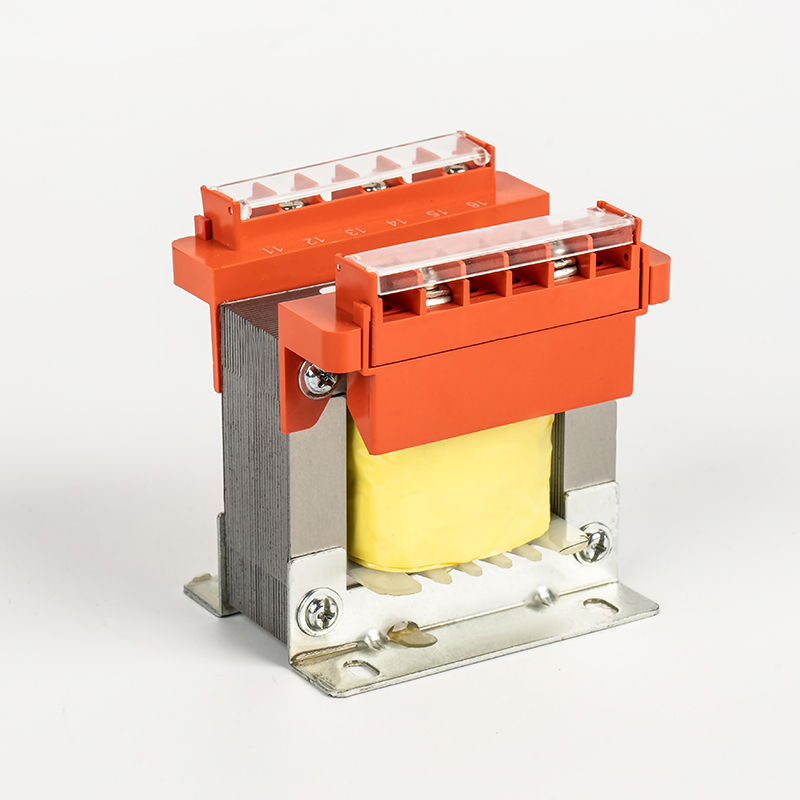
- 5 BK Transformer, Control Transformer, and Isolation Transformer
- 6 Where Demand for These Transformer Types Concentrates
- 7 How to Evaluate an EI Transformer Factory or Square Transformer Factory
- 8 Sourcing Checklist for Transformer Factory Partners
The right transformer choice comes down to three variables: core geometry, operating frequency, and the level of electrical isolation the application requires. For general-purpose power supply duty with moderate size constraints, an EI transformer remains the most cost-effective option. When floor space, weight, or audible noise matter more than unit cost, a square transformer or toroidal transformer construction delivers a smaller footprint and quieter operation. For control panels, industrial automation lines, and safety-critical circuits, a BK transformer, control transformer, or isolation transformer is the correct category rather than a standard power unit. The sections below compare these core types, explain where a low frequency transformer outperforms a high frequency transformer, and outline what to verify before selecting an EI transformer factory or square transformer factory partner.
EI Transformer vs Square Transformer vs Toroidal Transformer
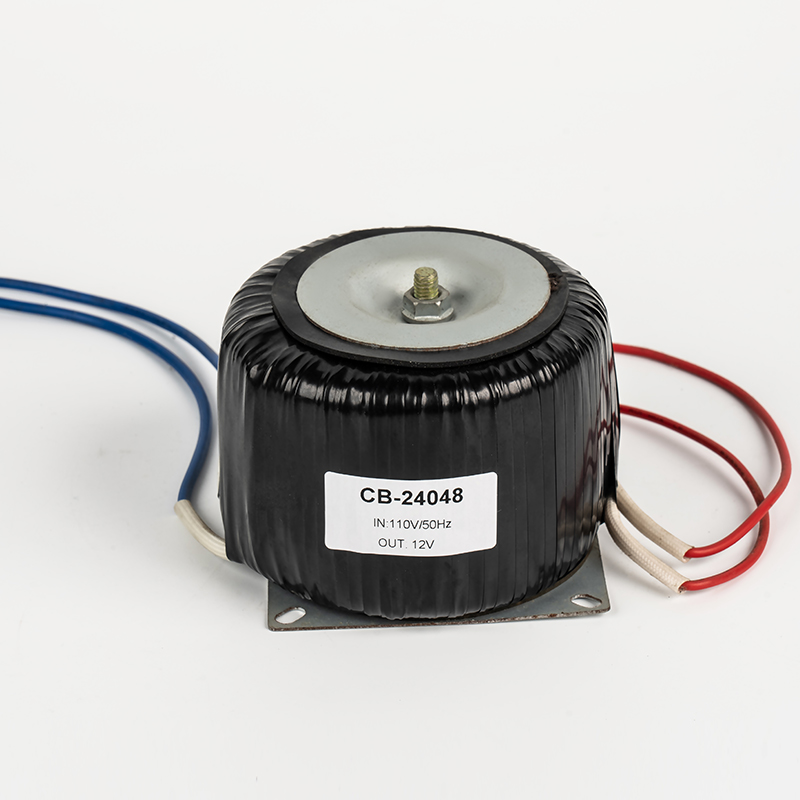
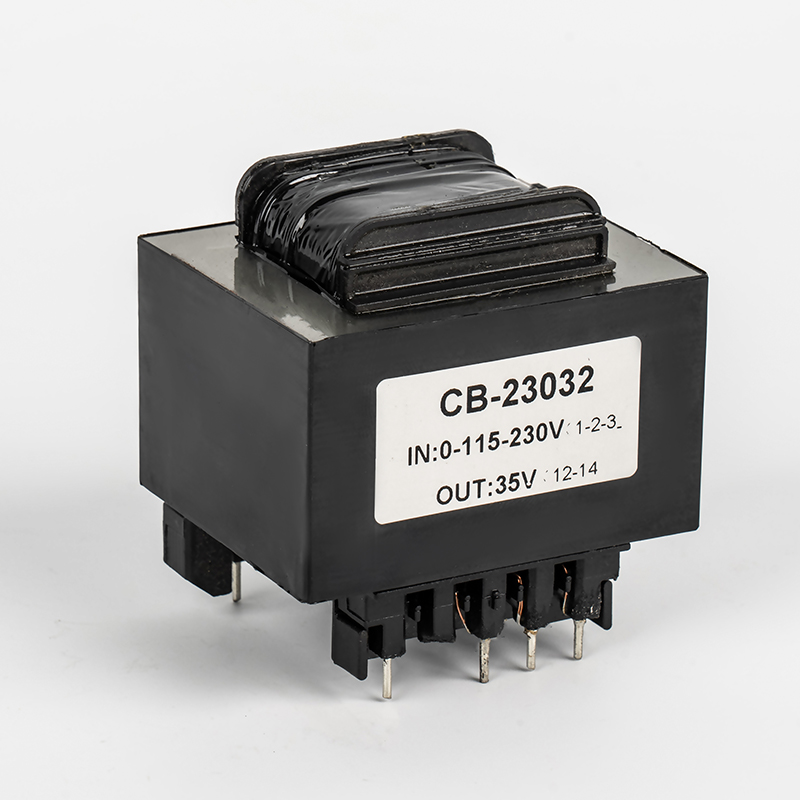
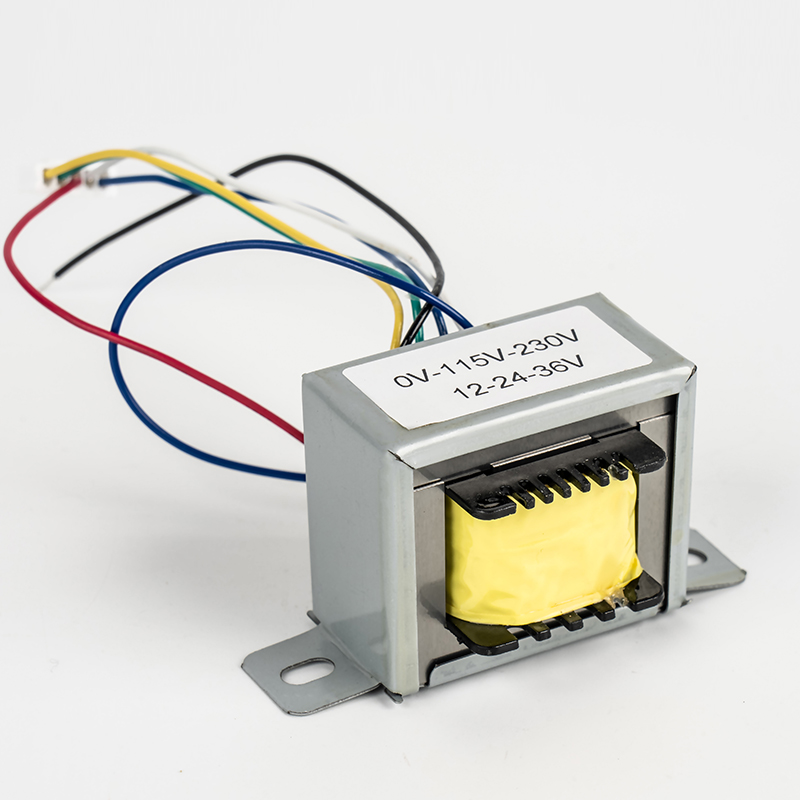
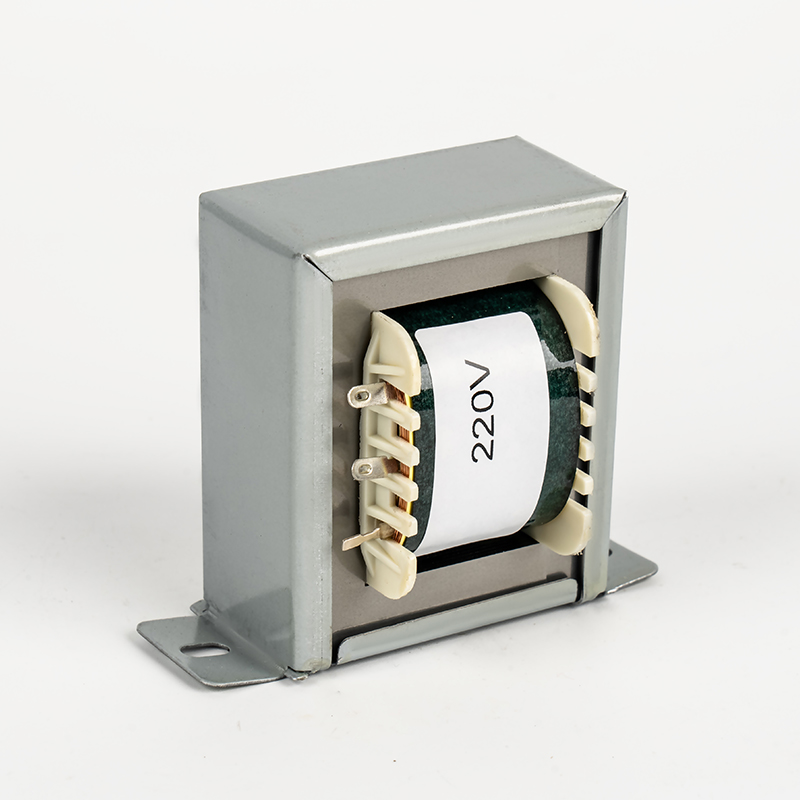
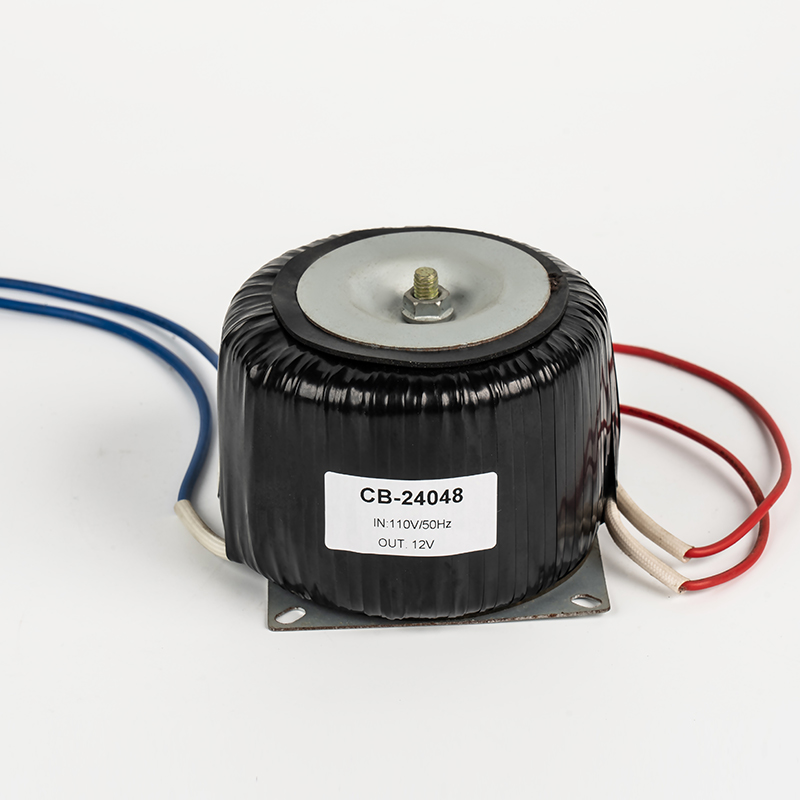
All three designs convert AC voltage through electromagnetic induction, but the core shape changes efficiency, noise, and space usage in ways that matter for equipment design. EI transformers stack laminated E and I shaped silicon steel sheets, which keeps tooling and material costs low. Square transformers use a rectangular wound or laminated core that trims wasted corner space compared to a round bobbin, giving a denser build in the same footprint. Toroidal transformers wind copper directly around a continuous ring core, which removes air gaps and cuts stray magnetic flux almost entirely.
| Core Type | Typical Efficiency | Audible Noise | Footprint | Common Use |
| EI Transformer | 90 to 94 percent | Moderate | Standard | General power supplies, appliances |
| Square Transformer | 92 to 95 percent | Low to moderate | Compact | PCB mounting, control cabinets |
| Toroidal Transformer | 95 to 98 percent | Very low | Slim, round | Audio gear, medical devices, UPS |
Low Frequency Transformer vs High Frequency Transformer
Operating frequency decides how large the core needs to be for a given power level. A low frequency transformer running at 50 or 60 Hz relies on a heavier silicon steel core because the magnetic flux has more time to build up between cycles. A high frequency transformer switching at 20 kHz or above uses a ferrite core that saturates far less per cycle, so the same power rating fits into a much smaller and lighter package.
In practice, a low-frequency transformer factory tends to serve grid-tied equipment, welding sets, and industrial machinery where robustness under surge conditions is the priority. A high frequency transformer factory instead serves switch-mode power supplies, chargers, and compact converters where size and weight are the priority. Neither design is universally more efficient; the correct choice depends entirely on the load profile and the space budget of the end product.
EI Inverter and Toroidal Inverter: Two Paths to the Same Job
Cost-focused build
EI Inverter
An EI inverter transformer is built on a standard laminated EI core and paired with switching electronics to produce stable AC output. It suits general-purpose inverters, backup power units, and mid-range UPS systems where budget and manufacturing speed matter more than absolute silence or minimal electromagnetic interference.
Performance-focused build
Toroidal Inverter
A toroidal inverter uses the ring-core winding to keep leakage flux and interference to a minimum. This makes it the preferred choice for medical inverters, precision test equipment, and high-fidelity audio power supplies, where noise-sensitive circuitry sits close to the transformer.
Featured Transformer Product Line
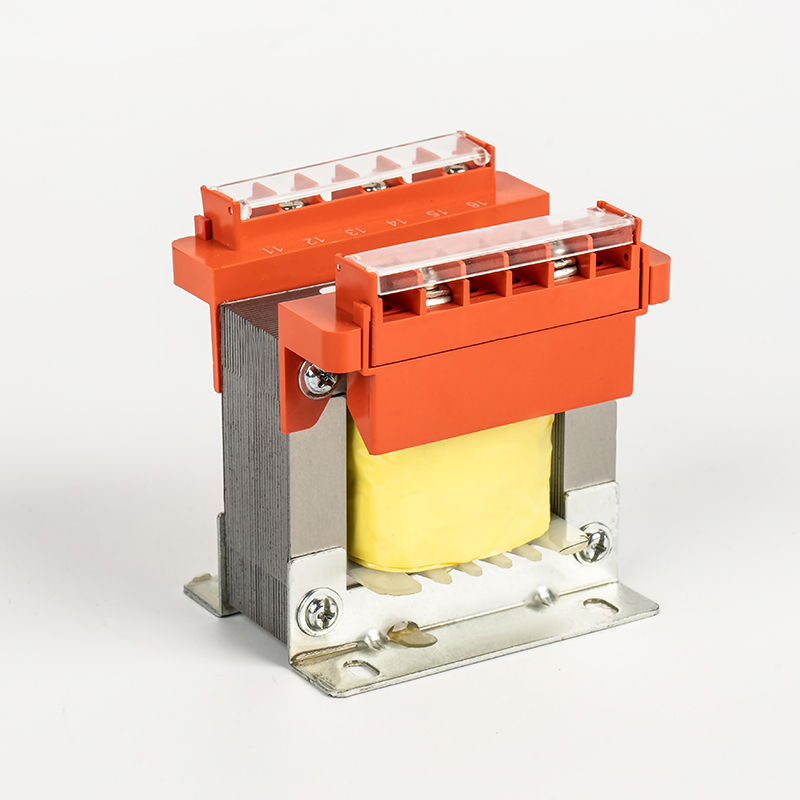
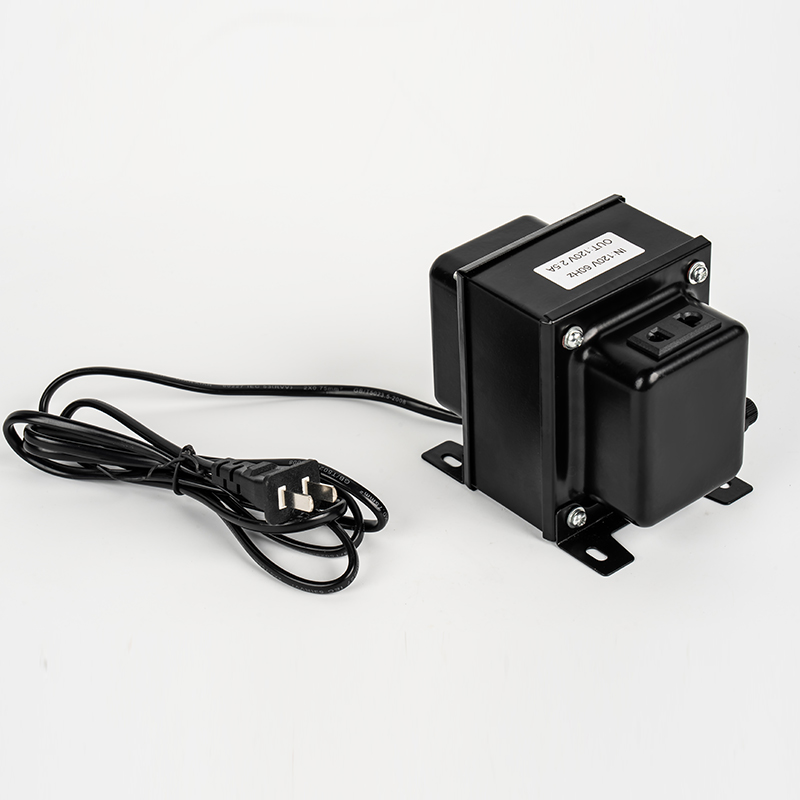
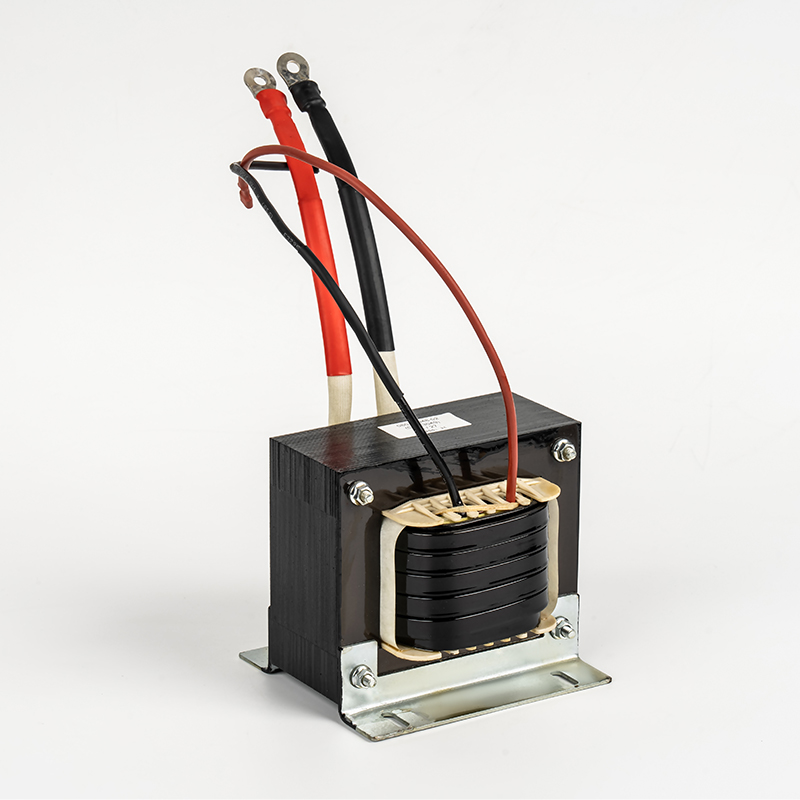
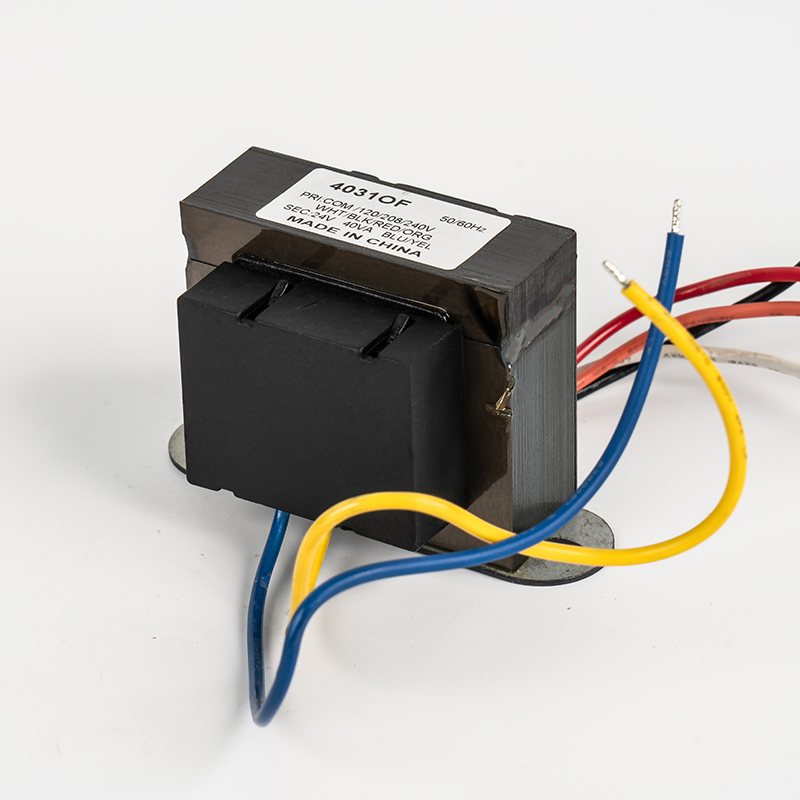
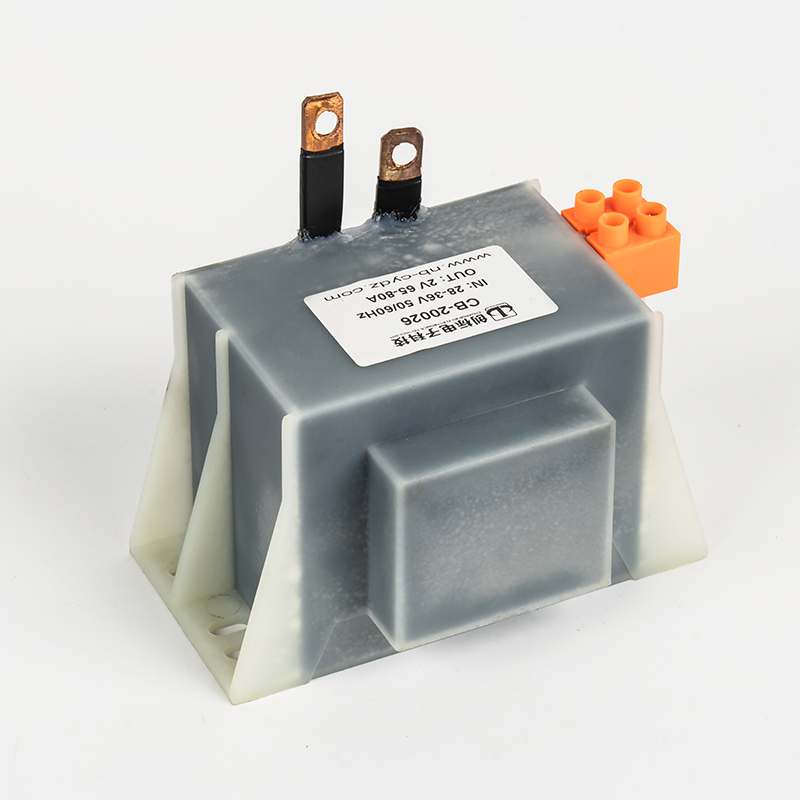
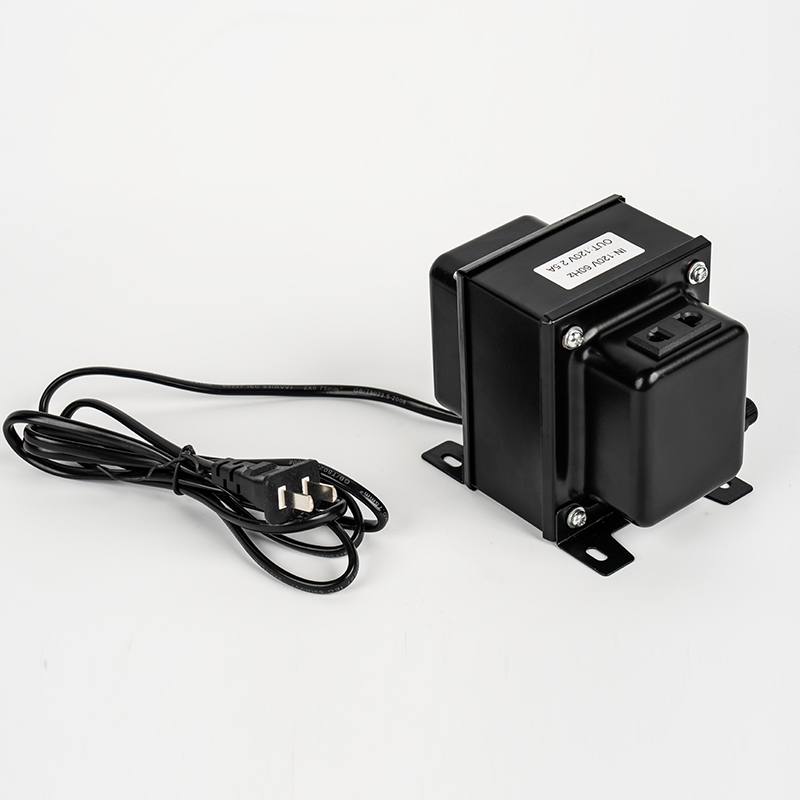
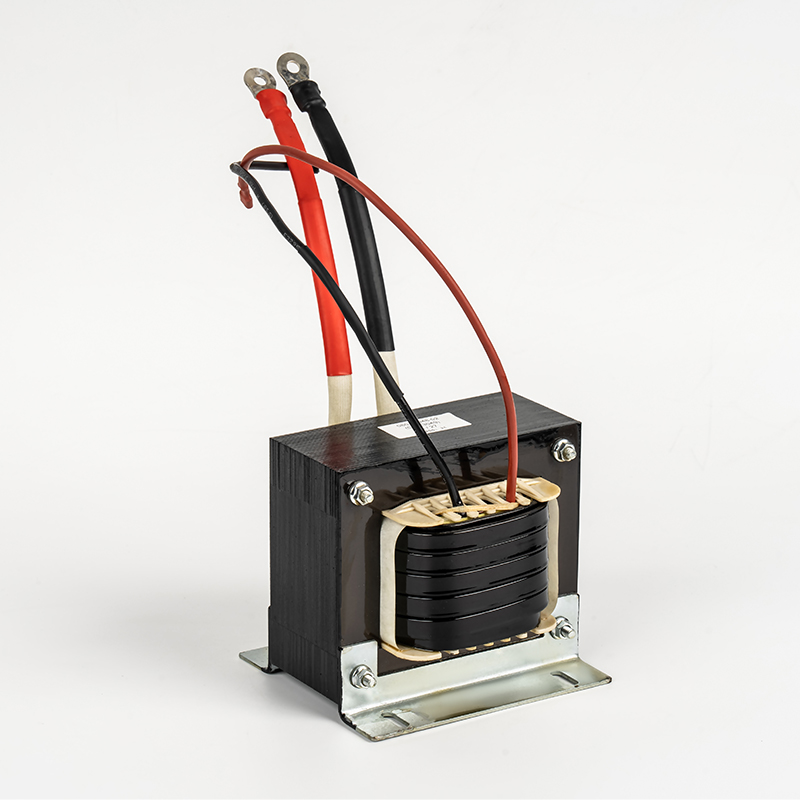
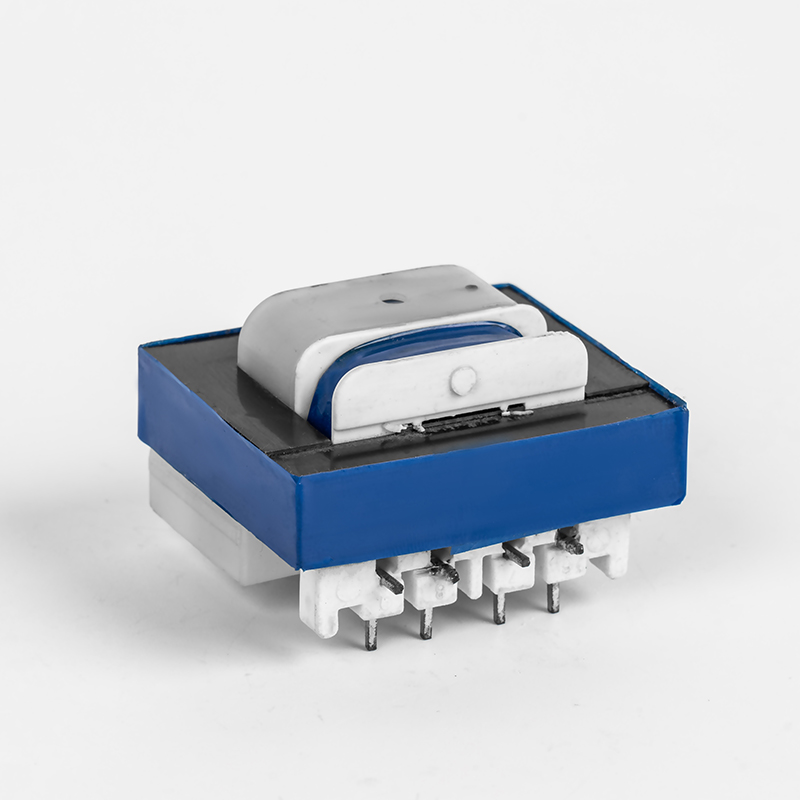
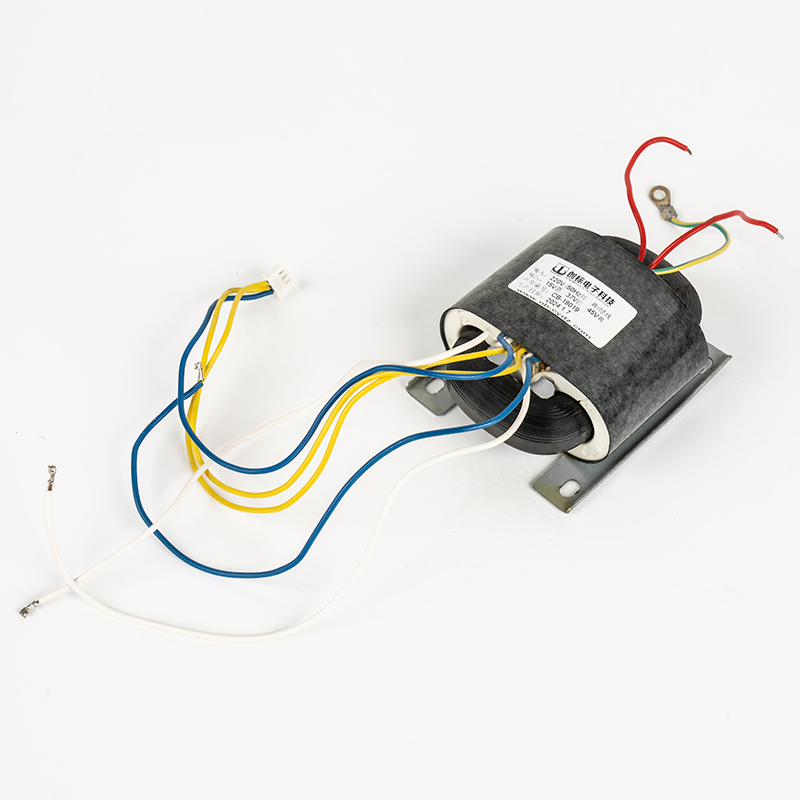
The product range below covers the core categories referenced throughout this article, from ring-core designs to control and isolation units, each built to order for export volumes.
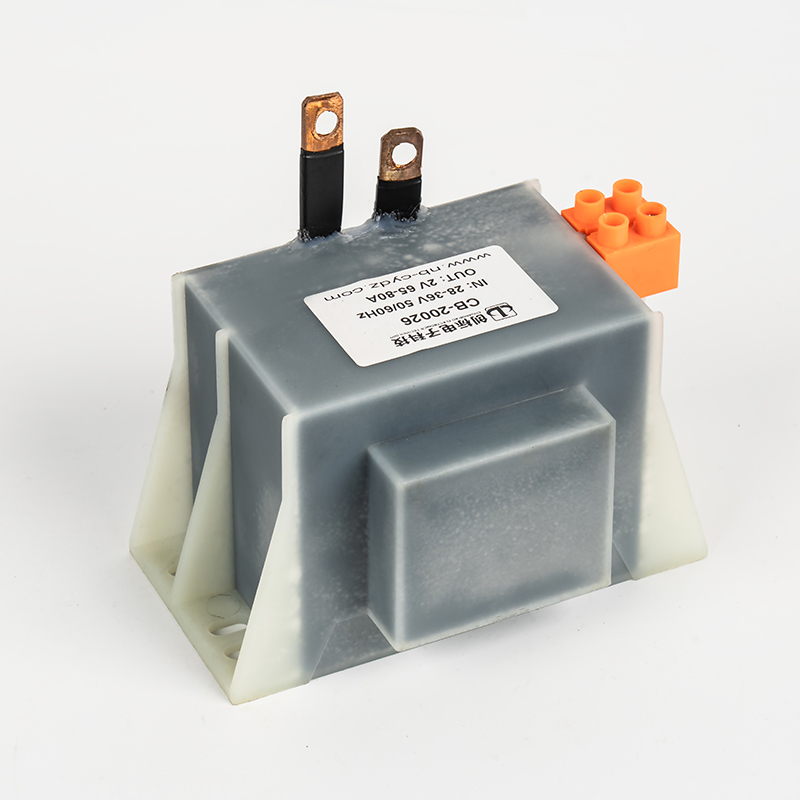
BK Transformer, Control Transformer, and Isolation Transformer
Where Demand for These Transformer Types Concentrates
Common
Applications
Applications
- Industrial automation and control panels
- Renewable energy and power conversion
- Audio, consumer, and home appliance
- Medical and precision test equipment
- EV charging and industrial power supplies
Illustrative grouping of typical end-use categories rather than a specific market survey.
How to Evaluate an EI Transformer Factory or Square Transformer Factory
Certifications on file
ISO 9001, CE, RoHS, and where relevant UL or CQC marks should be available as documents, not just logos on a website.
Customization range
Ask whether turns ratio, mounting style, potting, and lead configuration can be adjusted without a full retool.
In-house testing
Hipot testing, temperature rise testing, and load testing should happen before shipment, with test reports available on request.
Lead time and MOQ
Sample lead time, production lead time, and minimum order quantity should be stated clearly before a deposit is requested.
Sourcing Checklist for Transformer Factory Partners
| Criteria | Why It Matters | What to Ask |
| Material sourcing | Core and copper quality drives long-term reliability | Request datasheets for silicon steel grade and wire supplier |
| Design support | Custom specs need engineering input, not just quoting | Ask for a sample drawing before committing to tooling |
| After-sales support | Export orders need clear terms for defects and replacements | Confirm warranty period and claim process in writing |
Matching the transformer category to the application first, then vetting the factory on documentation and testing practice, is what keeps an export sourcing decision predictable rather than a gamble on unlabeled samples.


Welcome To CHUANGBIAO
Address : No.420-3, Sanbei East Road, Guanhaiwei Industrial Zone, Cixi City, Ningbo, Zhejiang, China
Contact
- Tel: +86 186 6825 0703
- Email: linjian@nbcbdz.com
About us
Products
Copyright © Ningbo Chuangbiao Electronic Technology Co., Ltd.
All Rights Reserved. EI Transformer Manufacturer


